 Instalab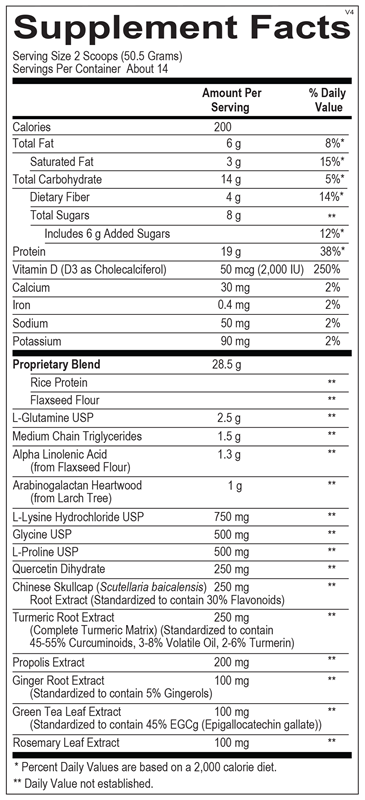

Ortho Molecular Products
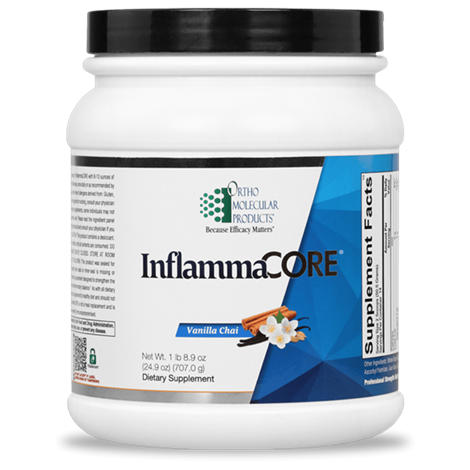
InflammaCORE® Vanilla Chai by Ortho Molecular Products
707 grams
Nutrient-Rich Support for Healthy Inflammation Response and Recovery$105.39
Purchase options
Practitioner-grade brand3rd-party testedFree shipping $50+
Gluten Free·Yeast Free·Artificial Color Free·Artificial Flavor Free
Ortho Molecular Products InflammaCORE® Vanilla Chai overview
This is a fit if you want an anti-inflammatory protein powder that can double as a daily shake while you track hs-CRP (a blood marker of systemic inflammation). It suits athletes during heavy training, people easing joint or tendon flare-ups, and those on elimination diets who need a gentle protein source. The built-in vitamin D3 helps if your Vitamin D, 25-Hydroxy is in the lower part of the normal range. If you’re truly deficient, you’ll likely need higher-dose D3 short term, then step down.
The 19 g of protein supplies the amino acids your muscles and connective tissue use to repair after stress, which can reduce soreness over time. Vitamin D3 (cholecalciferol) influences immune signaling, helping maintain a steady, not overactive, inflammatory response. The proprietary blend layers in botanicals and nutrients often used to calm gut lining irritation and modulate cytokines (the chemical messengers of inflammation). In practice, responders see hs-CRP drift down within 4 to 12 weeks when diet and sleep are aligned.
Mix two scoops with 8–10 oz of water or milk once daily. Take with a meal if you’re sensitive, or as a mid-day snack. At 19 g protein, this is a snack-level dose; for muscle building, most adults do better hitting 25–35 g protein per meal, so pair it with eggs, yogurt, or another protein if needed. Recheck hs-CRP and Vitamin D, 25-Hydroxy after 8–12 weeks to gauge effect.
Skip or use only with clinician guidance if you have chronic kidney disease, a history of high calcium, recurrent kidney stones, sarcoidosis or other granulomatous disease (these conditions can raise active vitamin D and calcium), or you take thiazide diuretics (blood pressure meds that can raise calcium). Pregnancy and breastfeeding: proprietary blends of botanicals are best reviewed with your obstetric clinician. Check the label for allergens if you avoid dairy, soy, or gluten.
Frequently asked questions
How long until this anti-inflammatory protein powder works?
Most responders see changes in soreness, regularity, or energy within 2–4 weeks, with hs-CRP shifts typically measured over 4–12 weeks. Track sleep, training load, and diet, since they strongly influence results.
Can I use it as a meal replacement?
It’s best as a snack or add-on. At 19 g protein and modest calories, it’s light for a full meal. If using as a meal, add fiber, healthy fat, and extra protein to reach your usual targets.
Is 2,000 IU of vitamin D3 safe to take daily?
For most adults, 2,000 IU daily is a common maintenance dose. If your Vitamin D, 25-Hydroxy is low, repletion often uses higher doses short term under clinician guidance. Recheck labs after 8–12 weeks.
What’s the best time of day to take it?
Any consistent time works. Many people take it with breakfast or post‑workout. If you have a sensitive stomach, take it with food and avoid close to bedtime if protein shakes cause reflux for you.
Is this okay with blood thinners like warfarin or apixaban?
Talk with your clinician. Proprietary blends can include botanicals that interact with clotting or drug metabolism. If you use anticoagulants or antiplatelets, get a personalized review before starting.
Is it suitable for sensitive guts?
That’s the intent, but tolerance is individual. Start with half a serving for a few days. If you track Fecal Calprotectin (a stool marker of gut inflammation), recheck after 8–12 weeks to assess response.
Does it contain dairy, soy, or gluten?
Formulas vary by flavor and lot. Check the allergen and “contains” statements on your tub. If you have celiac disease or severe allergies, verify with the manufacturer before use.
Can people with kidney disease use this protein powder?
Use only under nephrology guidance. Protein and vitamin D need individual adjustment in chronic kidney disease, and labs like eGFR, calcium, and phosphorus should be monitored.
How to take it & ingredients
Suggested use: Mix 2 scoops of InflammaCORE with 8-10 ounces of the beverage of your choice to the desired thickness, once daily or as recommended by your health care professional.
Active ingredients
2 scoops per serving
Protein
19 g
Vitamin D
D3 as Cholecalciferol
D3 as Cholecalciferol
50 mcg, 2000 IU
Calcium
30 mg
Iron
0.4 mg
Sodium
50 mg
Potassium
90 mg
▼
Proprietary Blend
28.5 g
Rice Protein
-
Flaxseed Flour
-
L-Glutamine USP
2.5 g
Medium Chain Triglycerides
1.5 g
Alpha Linolenic Acid (from Flaxseed Flour)
1.3 g
Arabinogalactan Heartwood (from Larch Tree)
1 g
L-Lysine Hydrochloride USP
750 mg
Glycine USP
500 mg
L-Proline USP
500 mg
Quercetin Dihydrate
250 mg
Chinese Skullcap (Scutellaria baicalensis) Root Extract
Standardized to contain 30% Flavonoids
Standardized to contain 30% Flavonoids
250 mg
Turmeric Root Extract (Complete Turmeric Matrix)
Standardized to contain 45-55% Curcuminoids, 3-8% Volatile Oil, 2-6% Turmerin
Standardized to contain 45-55% Curcuminoids, 3-8% Volatile Oil, 2-6% Turmerin
250 mg
Propolis Extract
200 mg
Ginger Root Extract
Standardized to contain 5% Gingerols
Standardized to contain 5% Gingerols
100 mg
Green Tea Leaf Extract
Standardized to contain 45% EGCg (Epigallocatechin gallate)
Standardized to contain 45% EGCg (Epigallocatechin gallate)
100 mg
Rosemary Leaf Extract
100 mg
Other ingredients: Whole Grain Brown Rice Sweetener (Oryza™), Natural Flavors, Silicon Dioxide, Ascorbyl Palmitate, Guar Gum, Gum Acacia, Xanthan Gum, Rebaudioside A (Organic)
Certifications
Benefits
Warnings
Customers also considered
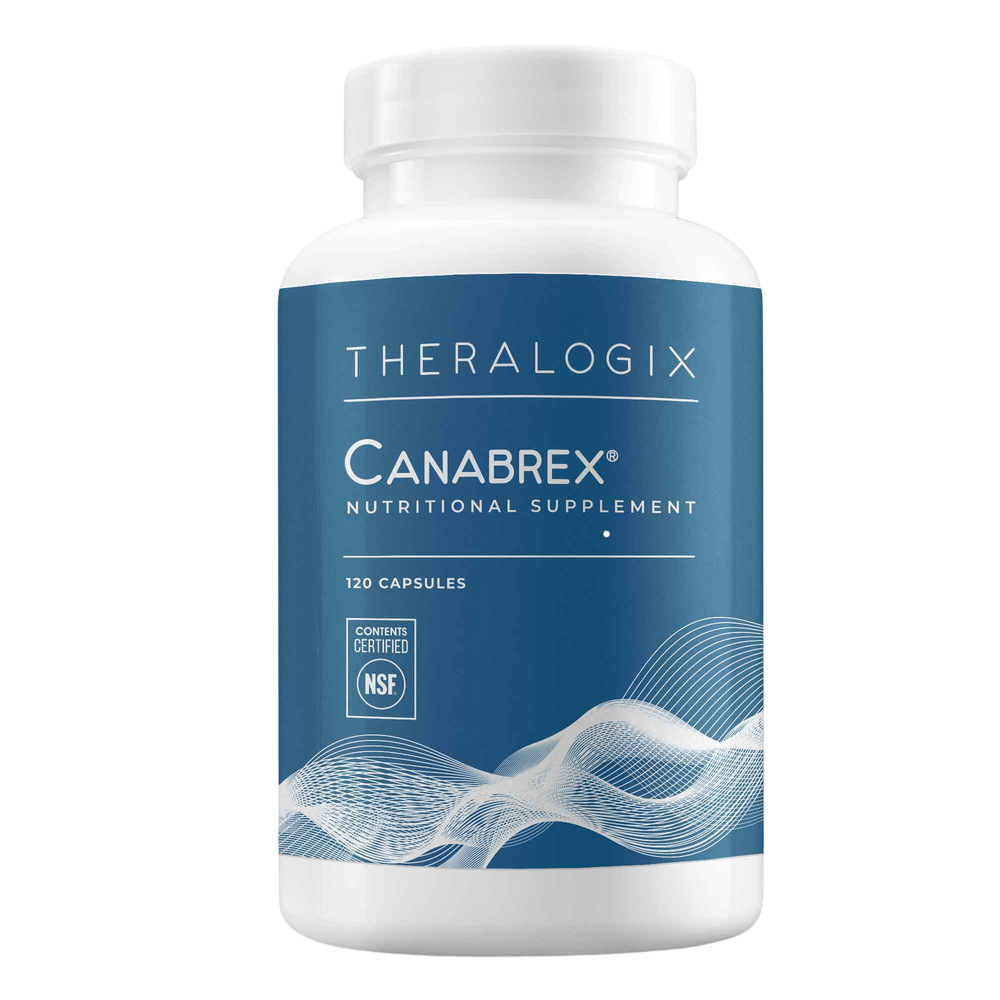
Canabrex
Theralogix
120 capsules
$92.99$73.99 with Subscribe & Save
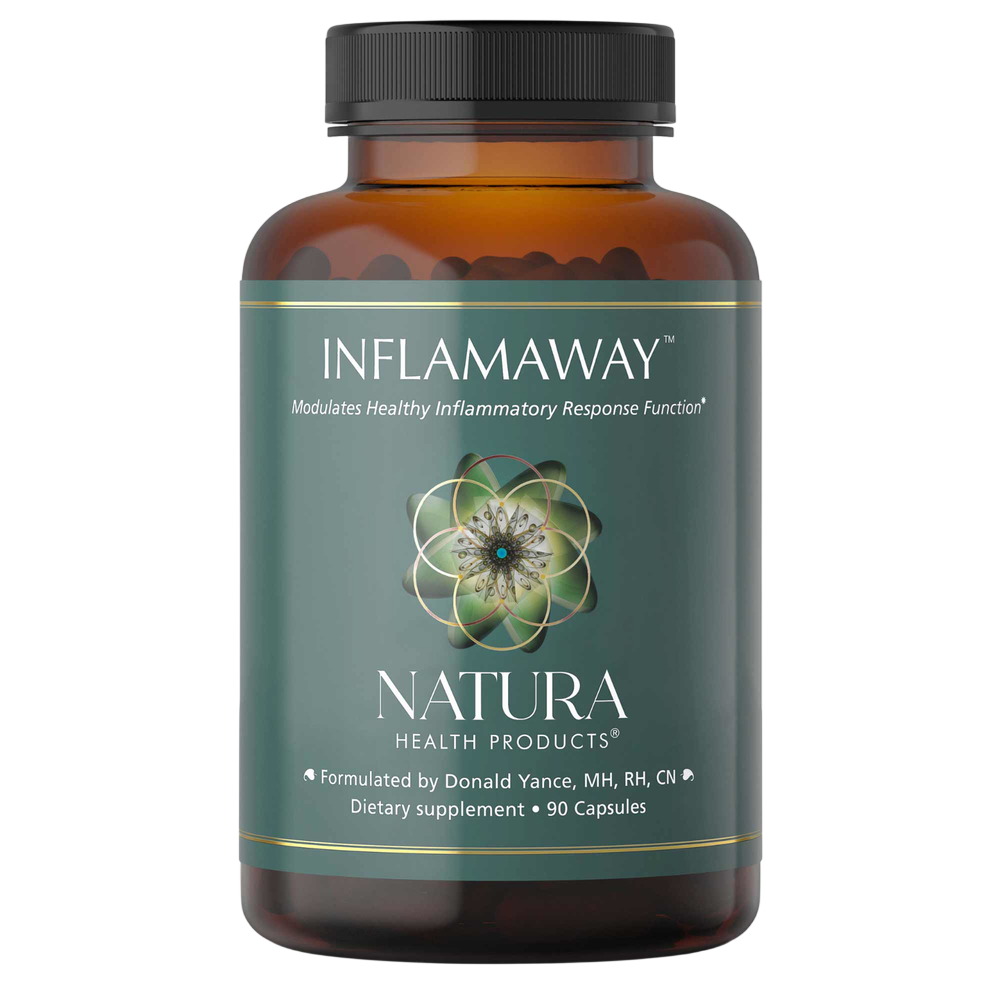
INFLAMAWAY
Natura Health Products
90 capsules
$67.99$53.99 with Subscribe & Save
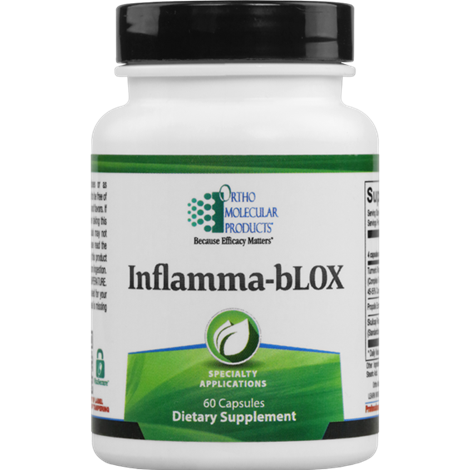
Inflamma-bLOX
Ortho Molecular Products
60 capsules
$58.89$53.05 with Subscribe & Save
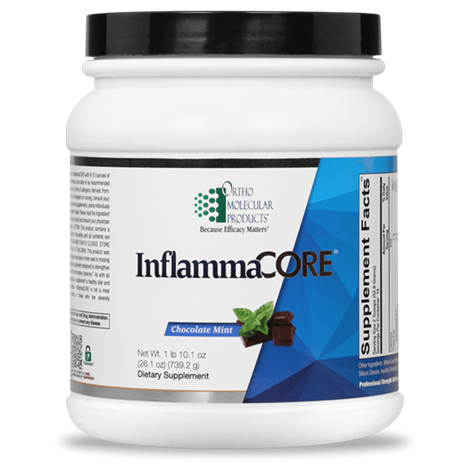
InflammaCORE® Chocolate Mint
Ortho Molecular Products
739.2 grams
$105.39$94.95 with Subscribe & Save