 Instalab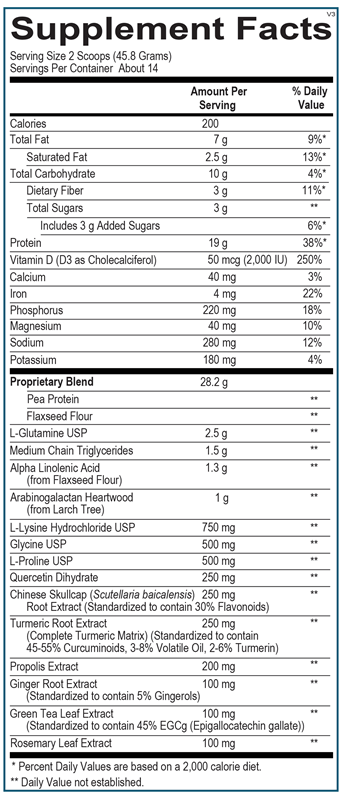
Ortho Molecular Products
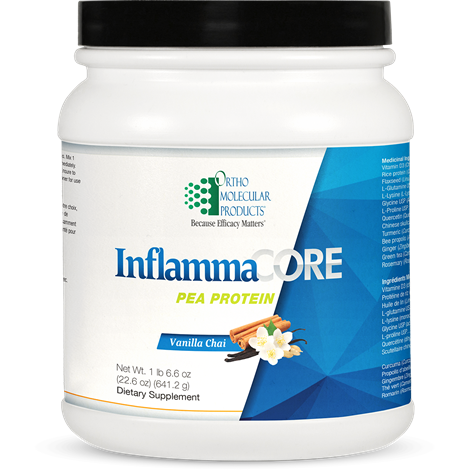
InflammaCORE® Vanilla Chai with Pea Protein by Ortho Molecular Products
641.2 grams
Nourishing Support for Inflammation with Pea Protein and Essential Nutrients$105.39
Purchase options
Practitioner-grade brand3rd-party testedFree shipping $50+
Gluten Free·Yeast Free·Artificial Color Free·Artificial Flavor Free
Ortho Molecular Products InflammaCORE® Vanilla Chai with Pea Protein overview
If you want a gentler daily shake that leans anti-inflammatory, this pea protein powder fits. The 19 g of plant protein works for dairy-free or soy-free eaters, and the included vitamin D3 at 2,000 IU suits adults whose Vitamin D, 25-Hydroxy is in the lower part of the normal range and need a maintenance dose. It’s a practical option during rehab or heavy training when you’re tracking hs-CRP (a blood marker of inflammation) and need an easy, low-allergen protein powder rather than a dessert-like mass gainer. If you need 30 g or more protein per serving, you’ll likely want a higher-protein formula or a double serving.
Pea protein supplies all essential amino acids, which your muscles use to repair and your gut uses as fuel for its lining. Protein also steadies post-meal glucose, which indirectly lowers inflammatory swings. Vitamin D3 (cholecalciferol, the form your skin makes) helps regulate immune signals and bone turnover, and adequate D3 keeps parathyroid hormone in check, the signal that pulls calcium from bone. The minerals here cover common shortfalls from modern diets. Any proprietary blend effects on inflammation are usually modest on their own, so use labs like hs-CRP and Vitamin D, 25-Hydroxy to judge impact over time.
Mix two scoops with 8–10 oz of water or a milk alternative once daily. Take with a source of fat, like almond milk or a small snack, to enhance vitamin D absorption. Sensitive stomach or a history of bloating from shakes? Start with half a serving for a few days, then titrate up. Use after training or as a snack between meals. Expect protein effects immediately on satiety and recovery, while Vitamin D, 25-Hydroxy typically moves within 4 to 12 weeks on labs.
Skip or get clinician guidance if you have a history of high calcium, recurrent kidney stones, or sarcoidosis, since the 2,000 IU of vitamin D3 can raise calcium levels. The iron content is modest, but those with high Ferritin (the body’s iron store) or hemochromatosis should avoid extra iron. Minerals in shakes can bind certain medicines, so separate from thyroid hormone, tetracycline or quinolone antibiotics by at least 3 to 4 hours. If you follow a sodium-restricted diet, note the 280 mg sodium per serving. Those with legume allergies should avoid pea protein.
Frequently asked questions
Is pea protein a complete protein?
Yes. Pea protein contains all essential amino acids, though it’s a bit lower in methionine. You don’t need to combine it in the same meal; eating varied protein sources across the day fills any gaps.
Will this lower my hs-CRP?
On its own, a protein powder rarely drives big hs-CRP changes. If your Vitamin D, 25-Hydroxy is low, the included D3 can help over 4–12 weeks. Track hs-CRP alongside diet, sleep, and activity changes for a fair test.
Can I use this as a meal replacement?
Occasionally, yes. Add healthy fats and carbohydrates, like fruit and nut butter, to make it a fuller meal. For daily meal replacement, confirm calories and micronutrients meet your needs.
Does this protein powder cause bloating or gas?
Pea protein is usually well tolerated, but any shake can cause bloating if you add lots of fiber or take large servings fast. Start with half a serving and increase slowly. Use more water if it feels too thick.
When should I take it for best results?
Any time you need protein is fine. Many use it post-workout or as a mid-afternoon snack. Taking it with some fat improves vitamin D absorption. Consistency matters more than exact timing.
Is it vegan and dairy-free?
Pea protein is plant-based and dairy-free. Check the full label for any non-vegan excipients or flavoring agents if you keep a strict vegan diet.
Can I take it with my medications?
Separate from thyroid medication and tetracycline or quinolone antibiotics by 3–4 hours since minerals can reduce absorption. If you’re on complex regimens, ask your clinician to review the timing.
Is it safe in pregnancy or breastfeeding?
Protein and vitamin D3 at these amounts are commonly used, but proprietary blends vary. Confirm the full ingredient list with your obstetric clinician and monitor Vitamin D, 25-Hydroxy if supplementing.
How to take it & ingredients
Suggested use: Mix 2 scoops of InflammaCORE with 8-10 ounces of the beverage of your choice to the desired thickness, once daily or as recommended by your health care professional.
Active ingredients
2 scoops per serving
Protein
19 g
Vitamin D
D3 as Cholecalciferol
D3 as Cholecalciferol
50 mcg, 2000 IU
Calcium
40 mg
Iron
4 mg
Phosphorus
220 mg
Magnesium
40 mg
Sodium
280 mg
Potassium
180 mg
▼
Proprietary Blend
28.2 g
Pea Protein
-
Flaxseed Flour
-
L-Glutamine USP
2.5 g
Medium Chain Triglycerides
1.5 g
Alpha Linolenic Acid (from Flaxseed Flour)
1.3 g
Arabinogalactan Heartwood (from Larch Tree)
1 g
L-Lysine Hydrochloride USP
750 mg
Glycine USP
500 mg
L-Proline USP
500 mg
Quercetin Dihydrate
250 mg
Chinese Skullcap (Scutellaria baicalensis) Root Extract
Standardized to contain 30% Flavonoids
Standardized to contain 30% Flavonoids
250 mg
Turmeric Root Extract (Complete Turmeric Matrix)
Standardized to contain 45-55% Curcuminoids, 3-8% Volatile Oil, 2-6% Turmerin
Standardized to contain 45-55% Curcuminoids, 3-8% Volatile Oil, 2-6% Turmerin
250 mg
Propolis Extract
200 mg
Ginger Root Extract
Standardized to contain 5% Gingerols
Standardized to contain 5% Gingerols
100 mg
Green Tea Leaf Extract
Standardized to contain 45% EGCg (Epigallocatechin gallate)
Standardized to contain 45% EGCg (Epigallocatechin gallate)
100 mg
Rosemary Leaf Extract
100 mg
Other ingredients: Natural Flavors, Maltodextrin, Silicon Dioxide, Luo Han Guo Extract (Monk Fruit), Guar Gum, Ascorbyl Palmitate, Gum Acacia, Xanthan Gum
Certifications
Benefits
Warnings
Customers also considered
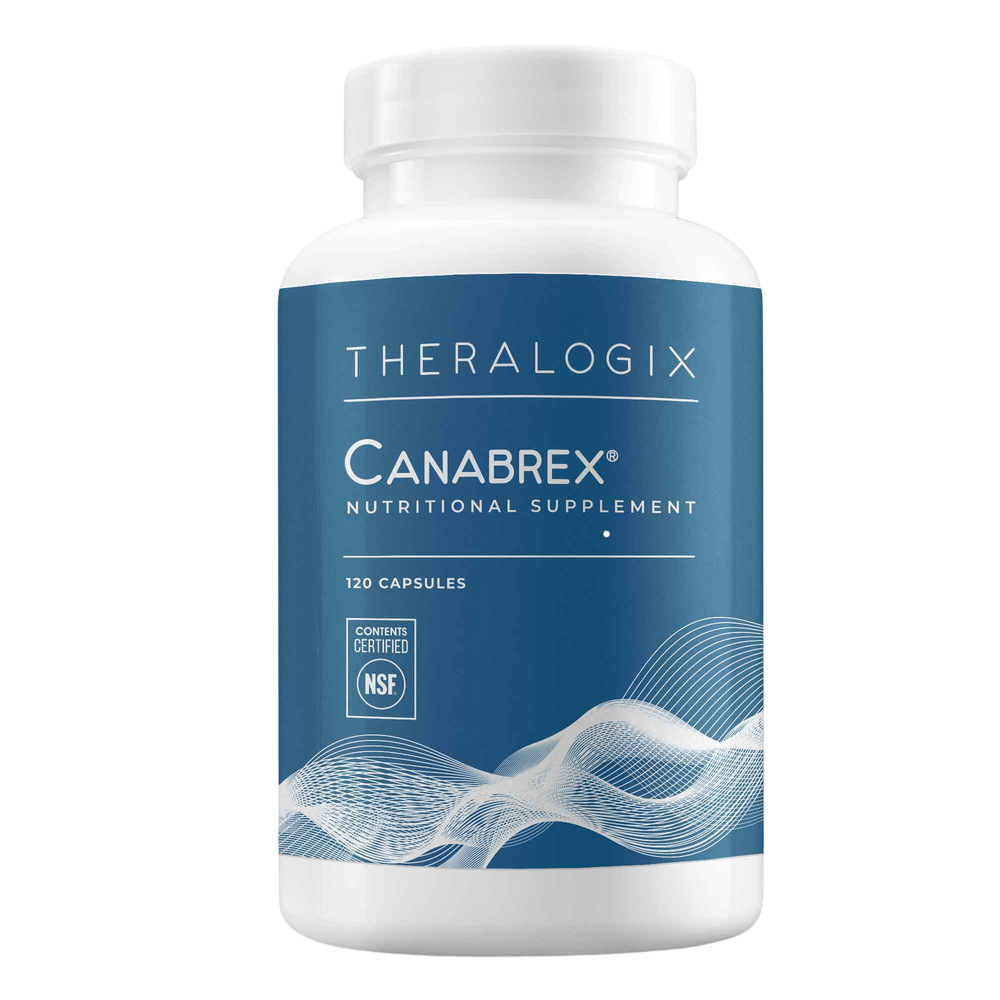
Canabrex
Theralogix
120 capsules
$92.99$73.99 with Subscribe & Save
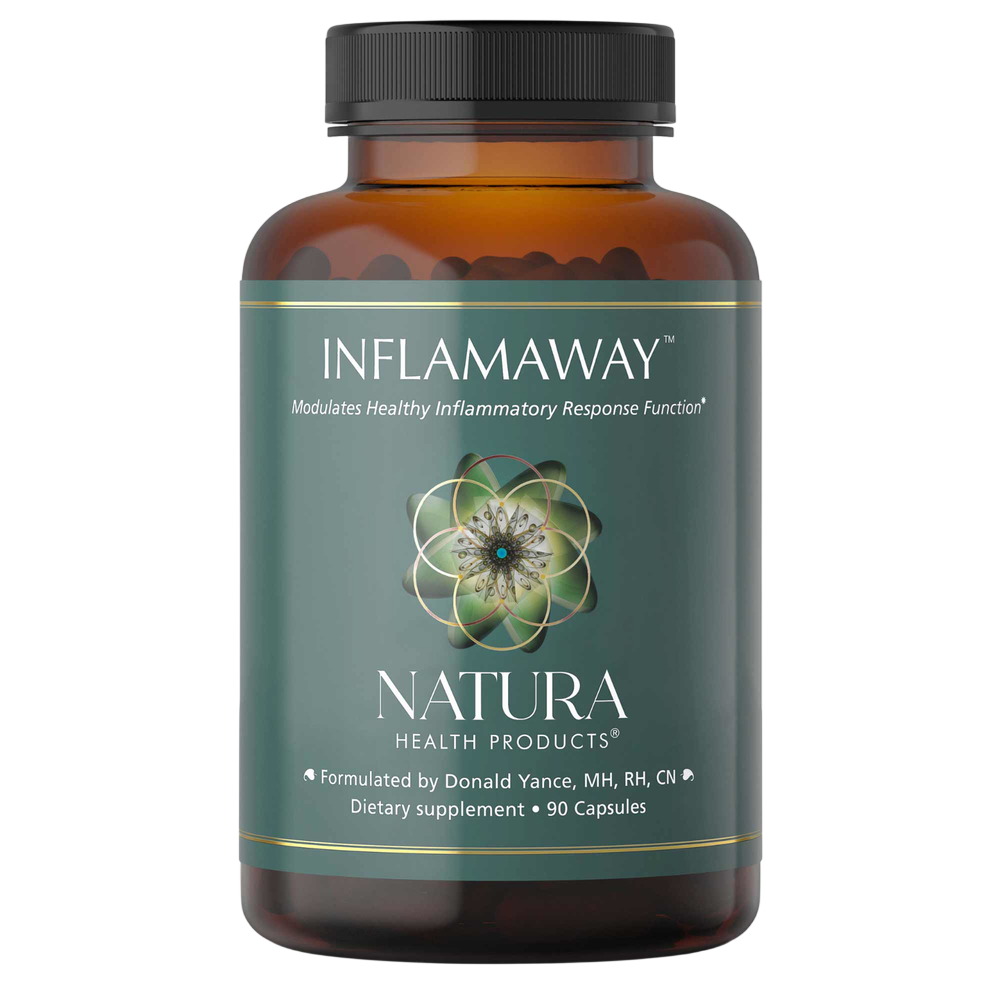
INFLAMAWAY
Natura Health Products
90 capsules
$67.99$53.99 with Subscribe & Save
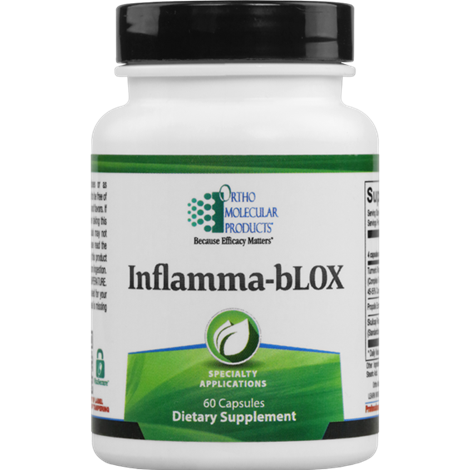
Inflamma-bLOX
Ortho Molecular Products
60 capsules
$58.89$53.05 with Subscribe & Save
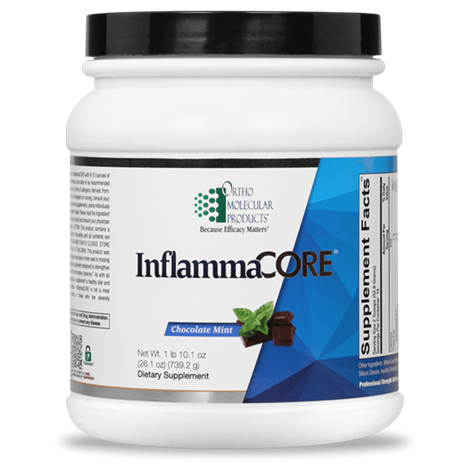
InflammaCORE® Chocolate Mint
Ortho Molecular Products
739.2 grams
$105.39$94.95 with Subscribe & Save