 Instalab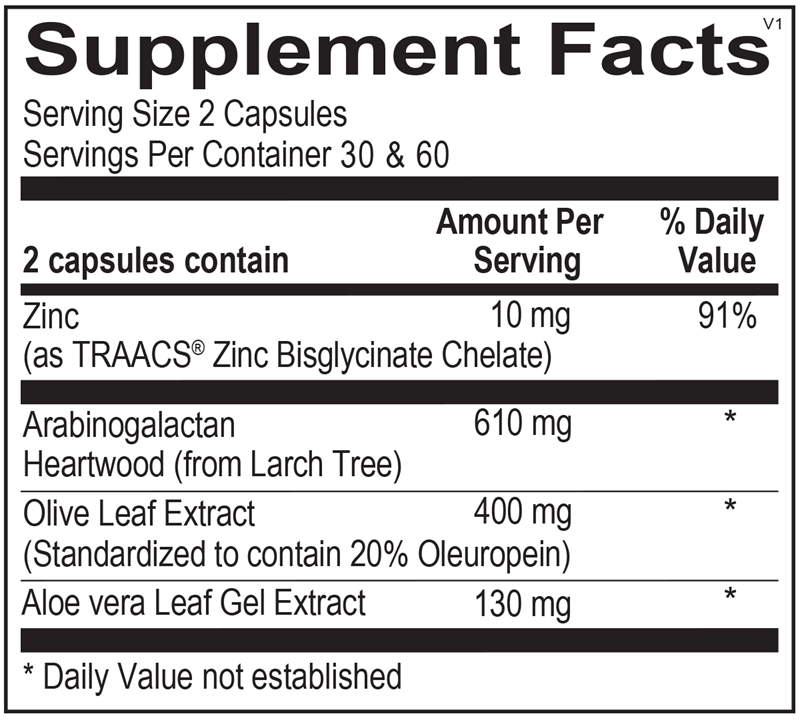
Ortho Molecular Products
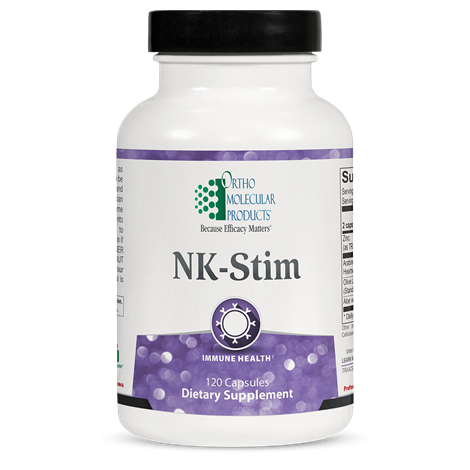
NK-Stim by Ortho Molecular Products
120 capsules · 60-day supply
Comprehensive Support for Inflammation and Immune Function$117.16
Purchase options
Practitioner-grade brand3rd-party testedFree shipping $50+
Ortho Molecular Products NK-Stim overview
If you keep catching every respiratory virus at the office or on flights, a natural killer cell supplement is a reasonable experiment. It fits teachers, healthcare workers, frequent travelers, and high‑stress or low‑sleep periods when your first-line defenses lag. It also suits low-zinc eaters (plant‑forward diets or heavy sweaters) if your Zinc, Plasma or Serum runs low. Track sick days and consider hs-CRP (a general inflammation marker) if you want data to judge benefit over 4 to 8 weeks.
Larch arabinogalactan is a soluble fiber that signals through gut immune tissue and feeds microbiome species that make short‑chain fatty acids, which in turn nudge natural killer (NK) cells to act more efficiently. Olive leaf standardized to 20% oleuropein provides polyphenols that temper excessive cytokine signaling (the immune “text messages”) while preserving antiviral activity. Zinc bisglycinate supplies a well‑absorbed 10 mg dose of zinc, a cofactor immune cells need to mature and function. Aloe vera gel extract delivers acemannan‑rich polysaccharides that modulate macrophages and NK cells without the laxative anthraquinones found in aloe latex.
Use 2 capsules twice daily with meals to reduce stomach upset. Most people need a 4 to 8 week trial to judge changes in sick days or symptom intensity; some notice steadier respiratory health within 2 to 4 weeks during high‑exposure seasons. Zinc here is a maintenance‑level dose, so if your Zinc, Plasma or Serum is meaningfully low, correct that separately under clinician guidance, then continue this for upkeep through the winter or travel blocks.
Separate zinc by 2–4 hours from tetracycline or quinolone antibiotics and from levothyroxine, since minerals bind these drugs. Olive leaf can modestly lower blood pressure and blood sugar; monitor if you use antihypertensives or diabetes medication. Transplant recipients and those on immune‑suppressing drugs should avoid immune‑stimulating blends. Active autoimmune flares warrant caution and clinician input. Pregnancy and breastfeeding: avoid aloe internally unless your obstetrician agrees, and do not use aloe latex forms.
Frequently asked questions
Does this actually increase natural killer cells?
Small human studies on larch arabinogalactan and aloe‑derived polysaccharides show increases in NK cell activity, not necessarily the cell count. That means existing NK cells respond more effectively. Expect functional changes before lab count changes.
How long until I notice fewer colds?
Give it 4 to 8 weeks. NK cell activity changes can appear within 2 to 4 weeks, but translating that into fewer or milder respiratory infections usually takes a couple of exposure cycles to notice.
Can I take this with antibiotics or antivirals?
Yes, with timing. Separate zinc from tetracycline or quinolone antibiotics by 2–4 hours to avoid absorption issues. There are no known timing conflicts with common antivirals, but confirm with your prescriber.
Will olive leaf upset my stomach or thin my blood?
Most tolerate olive leaf well; mild nausea can occur if taken on an empty stomach. It is not a blood thinner in the way aspirin is, though it can slightly lower blood pressure. Monitor if you’re on antihypertensives.
Is this safe if I have an autoimmune condition?
Use caution. Anything that nudges immune vigilance, including NK cell activity, can be unpredictable in autoimmune disease. Discuss with your rheumatologist, especially during active flares or medication changes.
Can I combine this with vitamin D or probiotics?
Yes. Vitamin D and a high‑quality probiotic work through different pathways and are commonly paired during respiratory season. Recheck Vitamin D, 25‑Hydroxy after 8–12 weeks if you’re adjusting D doses.
What time of day should I take it?
Take with breakfast and dinner to improve tolerance and adherence. Consistency matters more than timing. Avoid taking zinc at the same time as thyroid medication or certain antibiotics.
Who should avoid aloe in supplements?
Pregnant or breastfeeding individuals should avoid internal aloe unless cleared by their clinician. Anyone with a history of bowel obstruction should also avoid aloe products, especially those containing aloe latex.
How to take it & ingredients
Suggested use: 2 capsules two times per day or as recommended by your health care professional.
Active ingredients
2 capsules per serving · 60 servings
Zinc
As TRAACS Zinc Bisglycinate Chelate
As TRAACS Zinc Bisglycinate Chelate
10 mg
Arabinogalactan Heartwood (from Larch Tree)
610 mg
Olive Leaf Extract
Standardized to contain 20% Oleuropein
Standardized to contain 20% Oleuropein
400 mg
Aloe vera Leaf Gel Extract
130 mg
Other ingredients: Natural Vegetable Capsules, Microcrystalline Cellulose, Magnesium Stearate
Benefits
Warnings
Customers also considered
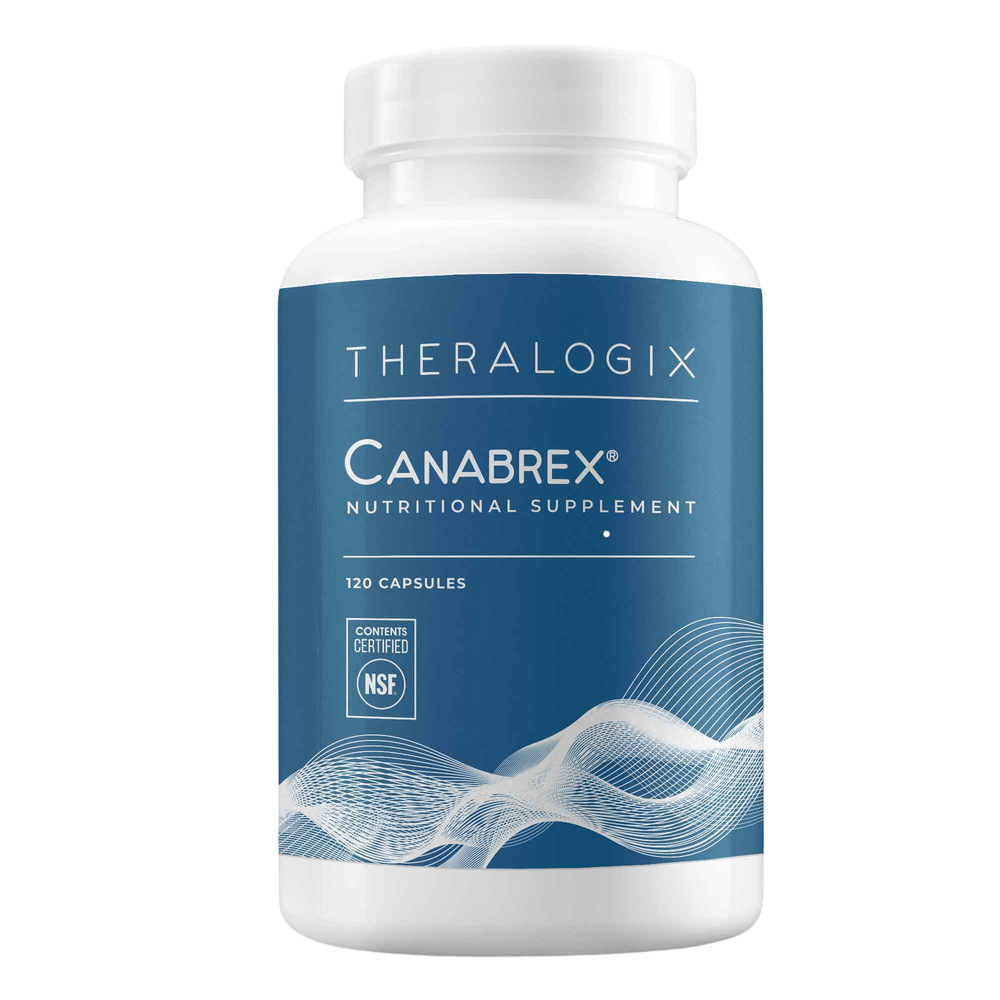
Canabrex
Theralogix
120 capsules
$92.99$73.99 with Subscribe & Save
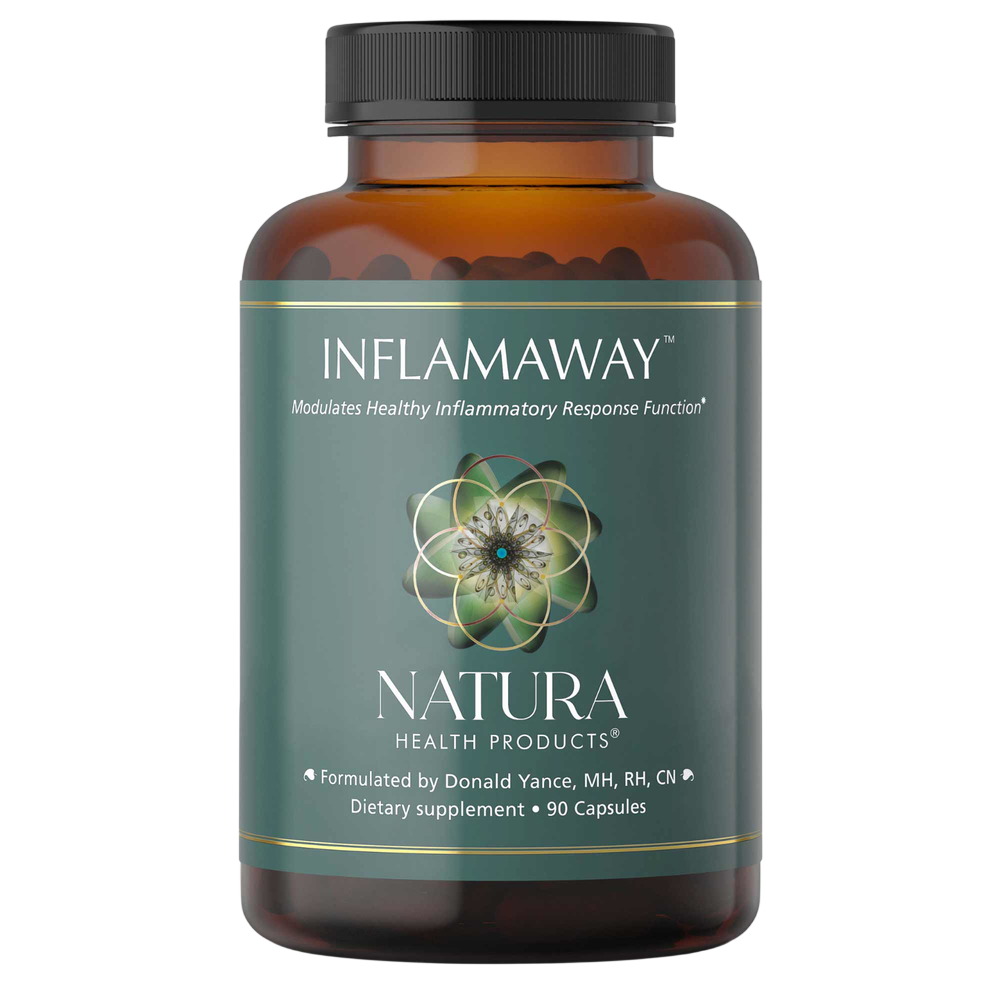
INFLAMAWAY
Natura Health Products
90 capsules
$67.99$53.99 with Subscribe & Save
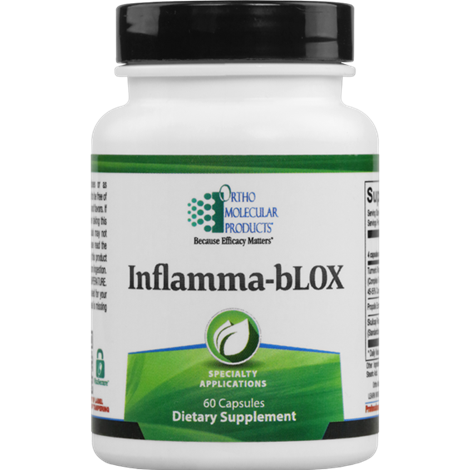
Inflamma-bLOX
Ortho Molecular Products
60 capsules
$58.89$53.05 with Subscribe & Save
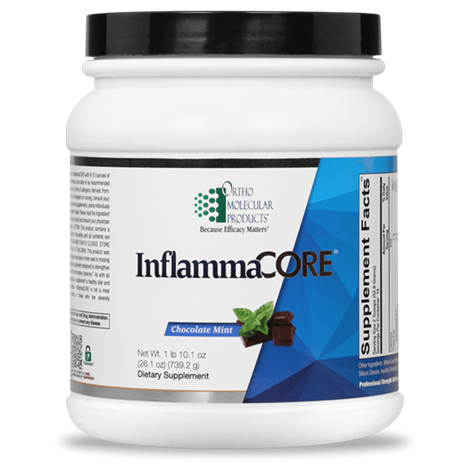
InflammaCORE® Chocolate Mint
Ortho Molecular Products
739.2 grams
$105.39$94.95 with Subscribe & Save