 Instalab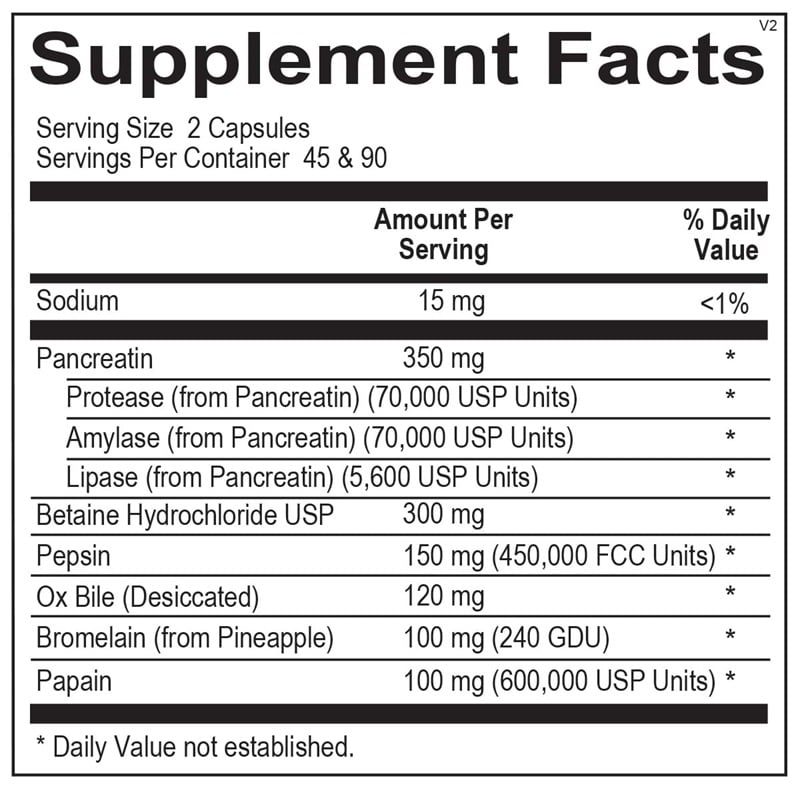
Ortho Molecular Products
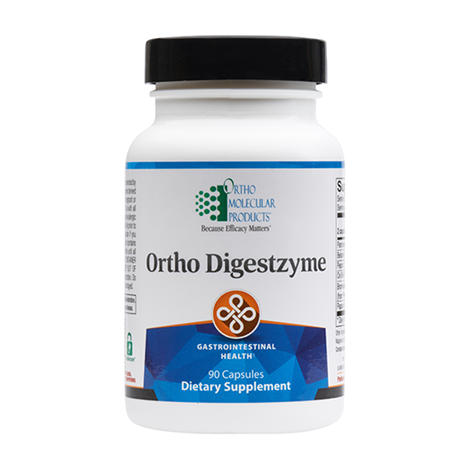
Ortho Digestzyme by Ortho Molecular Products
180 capsules · 90-day supply
Comprehensive Digestive Support for Optimal Nutrient Absorption$83.75
Purchase options
Practitioner-grade brand3rd-party testedFree shipping $50+
Gluten Free·Yeast Free·Artificial Color Free·Artificial Flavor Free
Ortho Molecular Products Ortho Digestzyme overview
Protein-heavy meals that sit like a brick often signal low stomach acid. If you’re looking for digestive enzymes for low stomach acid, this formula fits that use: betaine HCl and pepsin help with protein, while pancreatin and ox bile help with fat and mixed meals. It’s useful after gallbladder removal, on low-acid diets, or when large restaurant meals cause bloating or greasy stools. If testing shows pancreatic insufficiency (low fecal elastase-1) or very high stool fat, prescription dosing is usually required.
Betaine HCl adds acidity to the stomach so pepsin, the stomach’s protein-cutting enzyme, can work. Pancreatin supplies amylase for starch, protease for protein, and lipase for fat in the small intestine. Ox bile provides bile acids that emulsify fat so lipase can finish the job and fat-soluble nutrients absorb. Bromelain and papain are plant proteases that further break down stubborn proteins. The net effect is faster gastric emptying, less fermentation, and fewer floating or oily stools.
Take 1–2 capsules right before meals. Match the dose to meal size: one with small or low-fat meals, two with large or high-fat meals. Effects are meal-by-meal; most people feel lighter digestion the first day and steadier stools within a week. If you also track labs, improved fat absorption can show up as steadier Vitamin D, 25-Hydroxy over time. Do not take on an empty stomach without food, and skip at snacks that are just fruit or tea.
Active ulcers, gastritis, or significant reflux are reasons to avoid betaine HCl and pepsin until healed. Do not combine HCl with acid-suppressing drugs like omeprazole, esomeprazole, or famotidine. Pancreatin and ox bile are from animal sources, so this is not vegan or kosher/halal. Allergic to pineapple or papaya? Skip bromelain and papain. Chronic pancreatitis, cystic fibrosis, or documented severe insufficiency need prescription pancrelipase, guided by fecal elastase-1 and stool fat testing.
Frequently asked questions
How fast do digestive enzymes work for bloating?
They act with the very first meal. Many people feel less fullness and gas within one to three meals, with more consistent stool quality over several days.
Can I take betaine HCl if I use a PPI like omeprazole?
No. Betaine HCl counters what PPIs do. If you need acid suppression, avoid HCl and talk to your clinician before changing acid-reducing medicines.
Are digestive enzymes helpful after gallbladder removal?
Yes. Ox bile and lipase help emulsify and digest fat when bile release is less coordinated. Many notice fewer greasy stools and less urgency with fatty meals.
What lab tests show if I need stronger enzymes?
Fecal elastase-1 assesses pancreatic enzyme output, and a quantitative stool fat test shows malabsorption. Very low results usually call for prescription pancrelipase.
Can I open the capsule or take it without food?
Take with the first bites of food. Opening is possible but can irritate the mouth or throat, especially with HCl. Swallow capsules intact when you can.
Is this vegan or allergy-friendly?
No. It contains porcine pancreatin and bovine ox bile. Avoid if you have pork or beef restrictions, or pineapple/papaya allergy due to bromelain and papain.
Any side effects I should watch for?
Mild warmth in the stomach, belching, or loose stools can occur. Burning, reflux, or abdominal pain mean the dose is too high or HCl is not a fit—stop and reassess.
Can I use digestive enzymes during pregnancy?
Safety data are limited. Avoid betaine HCl blends in pregnancy unless your clinician specifically recommends them and is monitoring your symptoms.
How to take it & ingredients
Suggested use: 1-2 capsules before each meal or as recommended by your health care professional.
Active ingredients
2 capsules per serving · 90 servings
Betaine Hydrochloride
USP
USP
350 mg
Pepsin
300 mg
Pancreatin
450,000 FCC Units
450,000 FCC Units
150 mg
Ox Bile
Desiccated
Desiccated
120 mg
Bromelain
From Pineapple
From Pineapple
100 mg, 240 GDU
Papain
600,000 USP Units
600,000 USP Units
100 mg
Protease
From Pancreatin
From Pancreatin
70000 USP Units
Amylase
From Pancreatin
From Pancreatin
70000 USP Units
Lipase
From Pancreatin
From Pancreatin
5600 USP Units
Certifications
Benefits
Warnings
Customers also considered
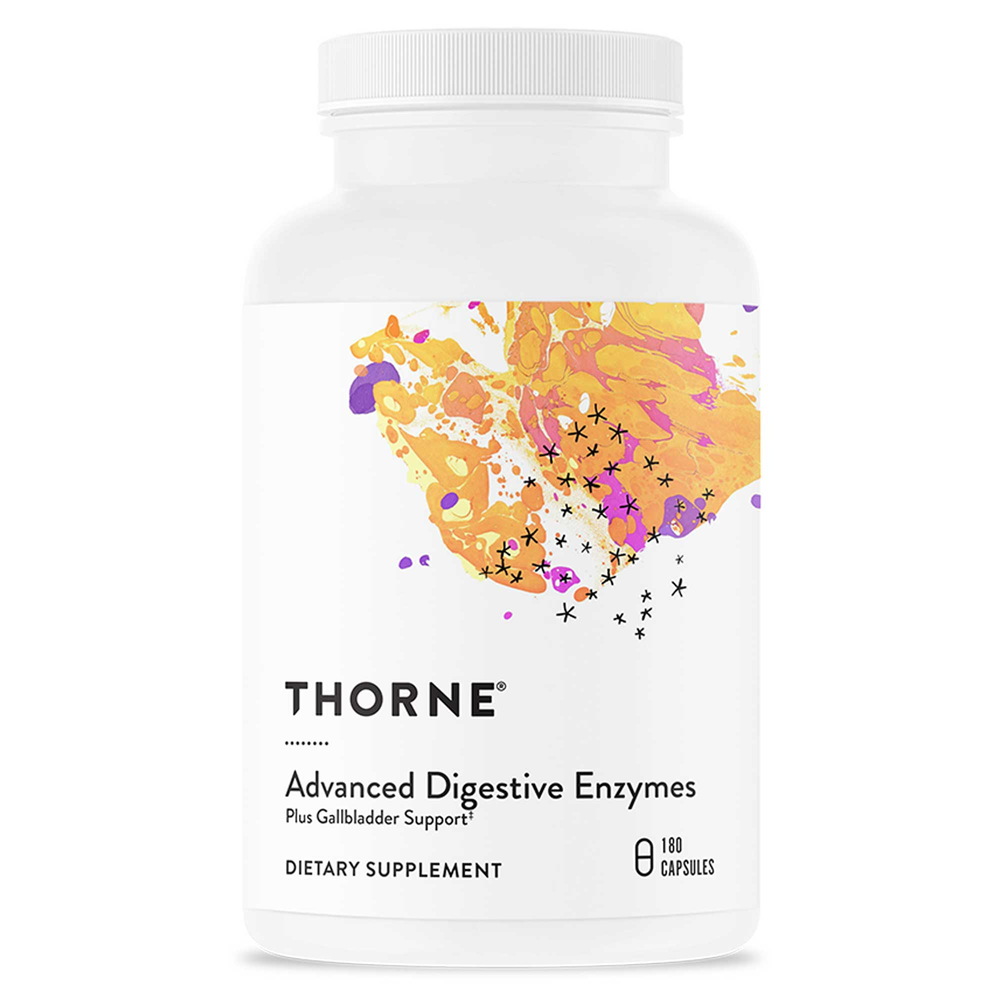
Advanced Digestive Enzymes
Thorne
180 capsules
$56.00$50.40 with Subscribe & Save
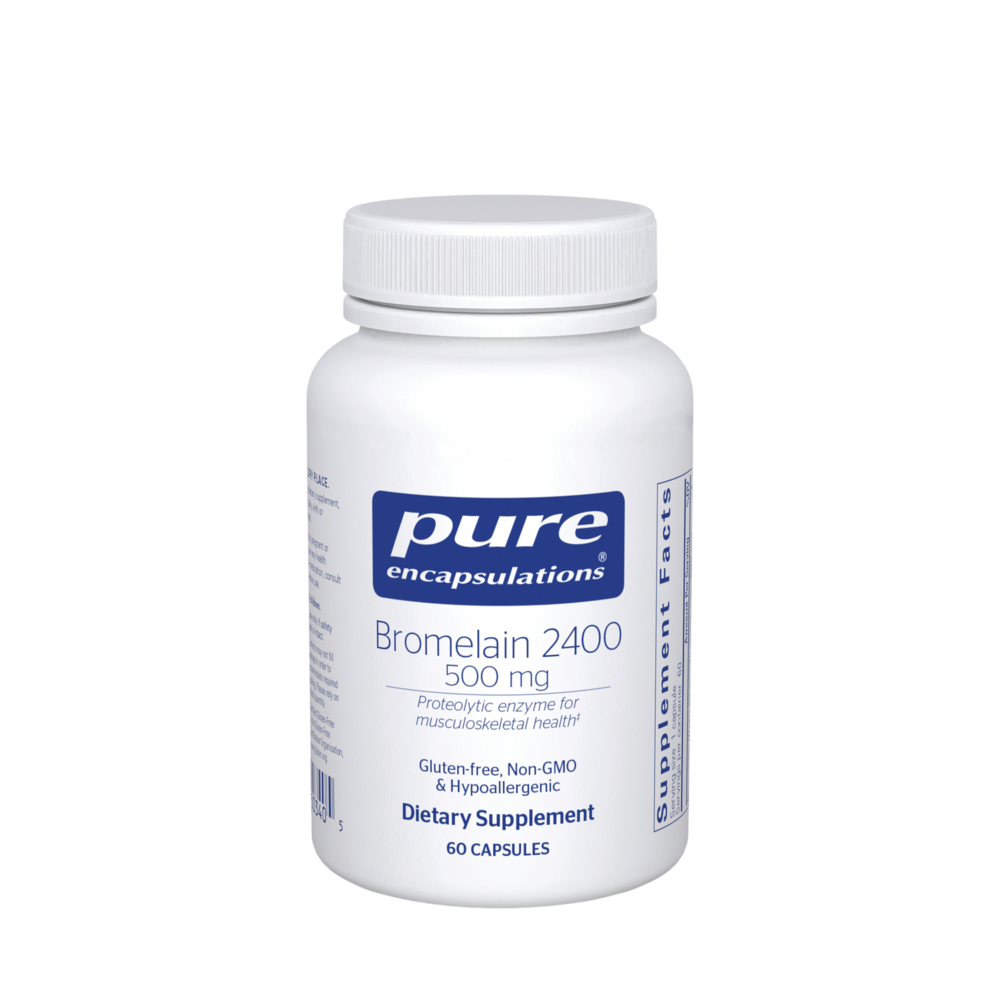
Bromelain 2400 500mg
Pure Encapsulations
60 capsules
$40.00$31.99 with Subscribe & Save
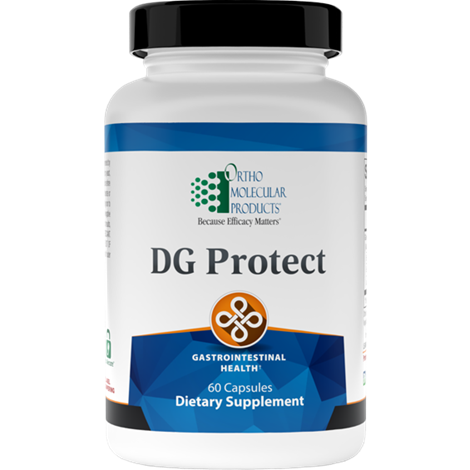
DG Protect
Ortho Molecular Products
60 capsules
$64.44$58.05 with Subscribe & Save
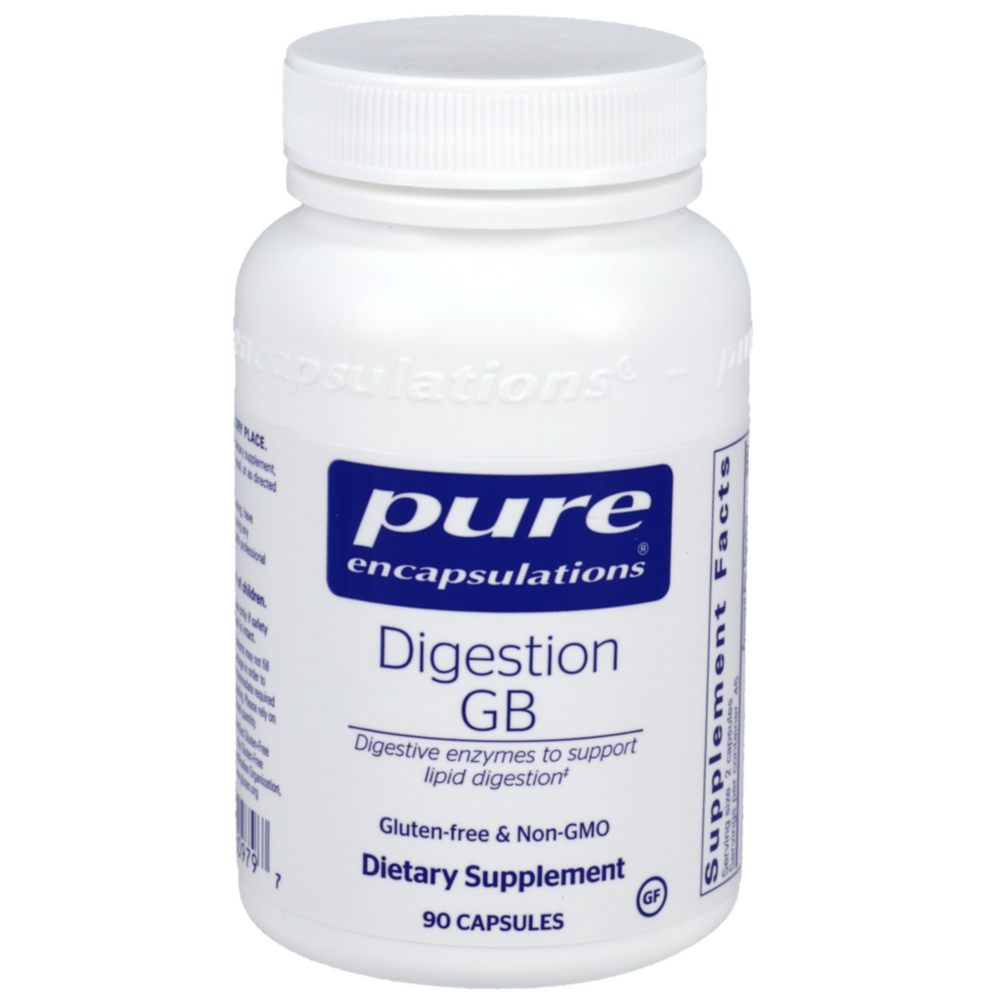
Digestion GB
Pure Encapsulations
90 capsules
$36.50$28.99 with Subscribe & Save