 Instalab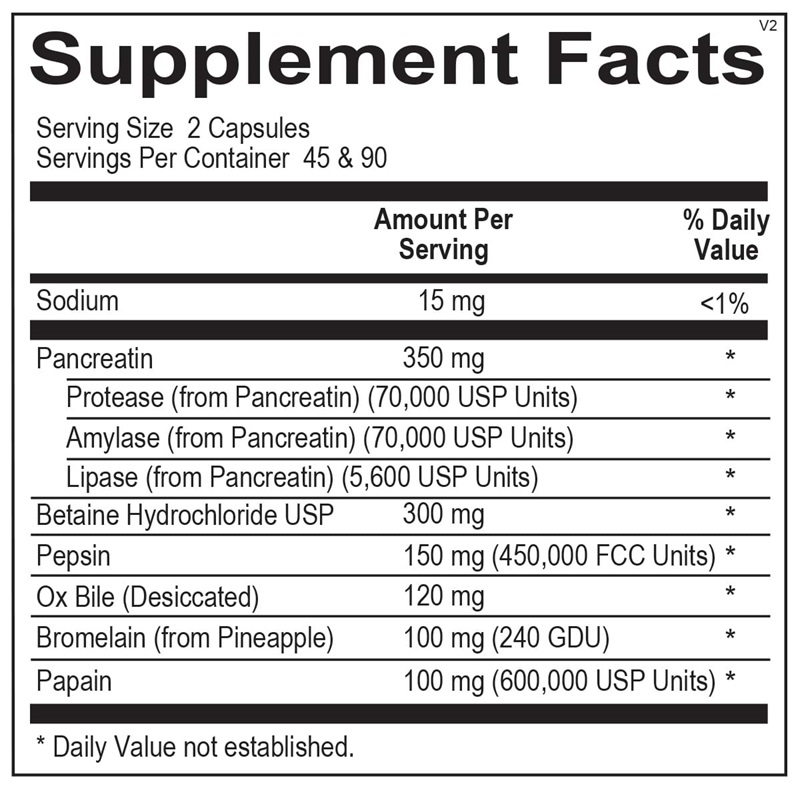
Ortho Molecular Products
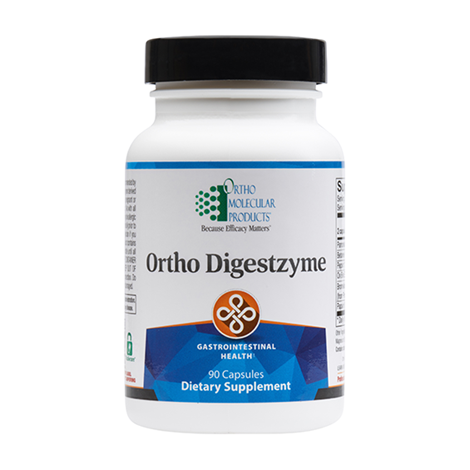
Ortho Digestzyme by Ortho Molecular Products
90 capsules · 45-day supply
Comprehensive Digestive Support for Optimal Nutrient Absorption$52.00
Purchase options
Practitioner-grade brand3rd-party testedFree shipping $50+
Gluten Free·Yeast Free·Artificial Color Free·Artificial Flavor Free
Ortho Molecular Products Ortho Digestzyme overview
If large, fatty, or protein-heavy meals leave you bloated or with greasy stools, digestive enzymes for bloating are a practical trial. The blend here suits adults with low stomach acid symptoms (fullness after a few bites), post‑gallbladder removal who struggle with fats, and aging adults with weaker enzyme output. It’s also a fit if your Vitamin B12 or Ferritin are low from poor absorption, or if a stool test shows low Fecal Elastase-1 (a signal of weak pancreatic enzymes).
Betaine HCl increases stomach acidity, which helps pepsin (the stomach’s protein-splitting enzyme) work. Pancreatin adds amylase, protease, and lipase, the same enzymes your pancreas releases to break down carbs, protein, and fat. Ox bile supplies bile acids (the detergents that emulsify fats so lipase can act). Bromelain and papain are plant proteases that complement pepsin, improving protein breakdown higher up in the gut.
Take 1 capsule just before the first bite of a meal; use 2 for larger or higher-fat meals. Start with your biggest meal for a few days, then add to other meals if helpful. If you feel warmth or irritation, take with the first bites rather than earlier. Enzymes act on that meal, so benefits are often noticeable with the first dose.
Skip betaine HCl if you have reflux, gastritis, or a history of ulcers, or if you use acid-suppressing drugs like omeprazole or famotidine. Avoid if allergic to pineapple or papaya. This does not replace prescription pancrelipase for diagnosed pancreatic insufficiency, and it won’t digest lactose (no lactase here) or let you tolerate gluten. Post-cholecystectomy users often do well, but reduce dose if stools loosen.
Bromelain and papain can increase bleeding risk; use caution with anticoagulants (warfarin, apixaban), antiplatelets (clopidogrel), or high-dose fish oil. Iron and B12 absorb better in acid; if you also take those, keep them with meals when using this. Bile salts can aggravate bile duct obstruction or active gallstone attacks; if that history is present, discuss with your clinician first.
Frequently asked questions
How fast do digestive enzymes work for bloating?
They work on the meal you take them with, so relief is often noticeable with the first dose. For patterns like post-gallbladder fat intolerance, give it several meals to dial in the capsule count per meal.
Can I take digestive enzymes with a PPI like omeprazole?
Not this formula. It contains betaine HCl and pepsin, which add acid and can counteract acid-suppressing drugs. If you need a PPI, choose an enzyme product without betaine HCl and discuss timing with your clinician.
Do digestive enzymes help lactose intolerance?
No. This blend lacks lactase, the enzyme that breaks down milk sugar. If dairy is the issue, look for a product with lactase, and use it directly with dairy-containing meals.
Is this safe after gallbladder removal?
Often yes, and ox bile can help fat digestion when bile release is less coordinated. Start with 1 capsule at your highest-fat meal. If stools become loose, lower the dose or reserve for larger meals.
Can digestive enzymes thin your blood?
They don’t thin blood like a drug, but bromelain and papain can increase bleeding risk. Be cautious with anticoagulants, antiplatelets, or before surgery, and stop if you notice easy bruising or nosebleeds.
Should I take enzymes with snacks or only meals?
Use them with protein- or fat-containing meals. For small, low-fat snacks (fruit, crackers), you usually don’t need them. Save them for main meals or any snack that reliably triggers symptoms.
Will enzymes fix nutrient deficiencies like low B12 or iron?
They can improve breakdown and absorption conditions, especially if low stomach acid is part of the problem. Track with labs like Vitamin B12, Methylmalonic Acid, and Ferritin, and address intake and causes in parallel.
Is this vegan or vegetarian?
No. It contains ox bile and pancreatin (animal-derived). If you avoid animal products, look for a vegan enzyme formula using only plant and microbial enzymes without bile salts.
How to take it & ingredients
Suggested use: 1-2 capsules before each meal or as recommended by your health care professional.
Active ingredients
2 capsules per serving · 45 servings
Betaine Hydrochloride
USP
USP
350 mg
Pepsin
300 mg
Pancreatin
450,000 FCC Units
450,000 FCC Units
150 mg
Ox Bile
Desiccated
Desiccated
120 mg
Bromelain
From Pineapple
From Pineapple
100 mg, 240 GDU
Papain
600,000 USP Units
600,000 USP Units
100 mg
Protease
From Pancreatin
From Pancreatin
70000 USP Units
Amylase
From Pancreatin
From Pancreatin
70000 USP Units
Lipase
From Pancreatin
From Pancreatin
5600 USP Units
Certifications
Benefits
Warnings
Customers also considered
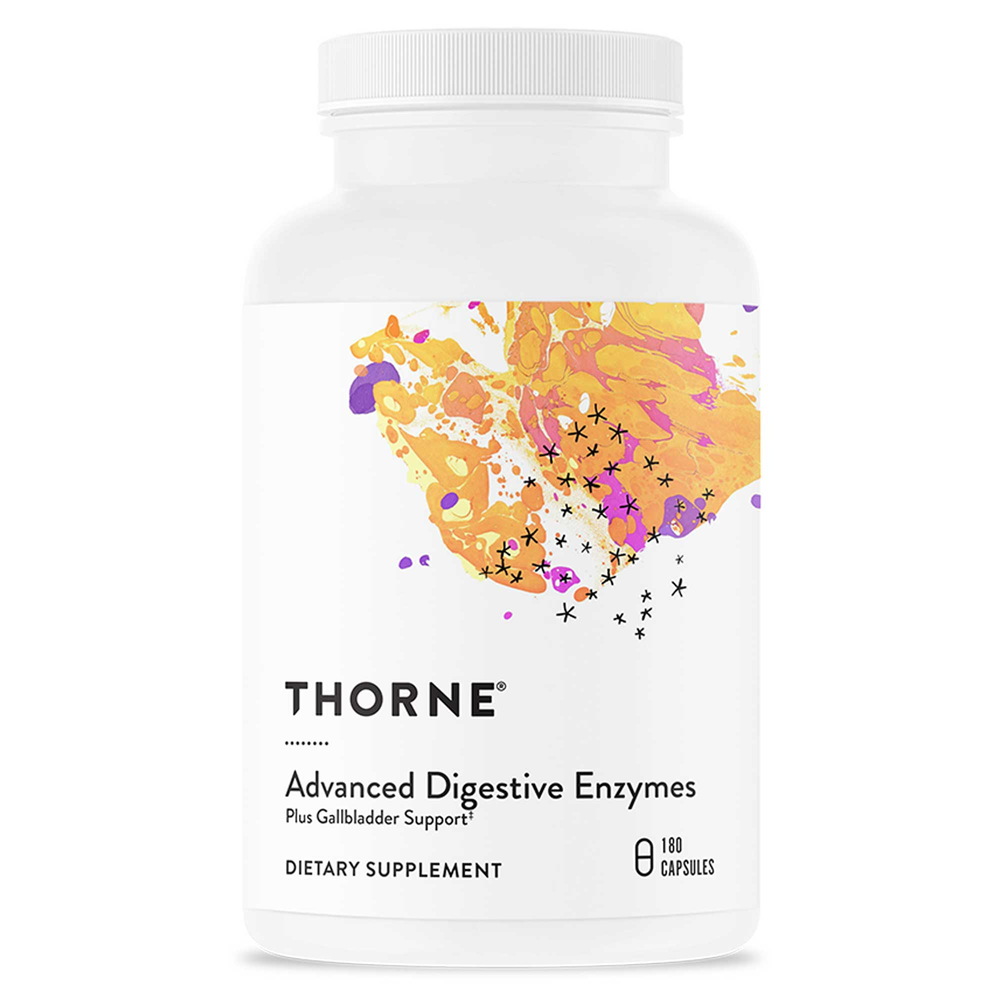
Advanced Digestive Enzymes
Thorne
180 capsules
$56.00$50.40 with Subscribe & Save
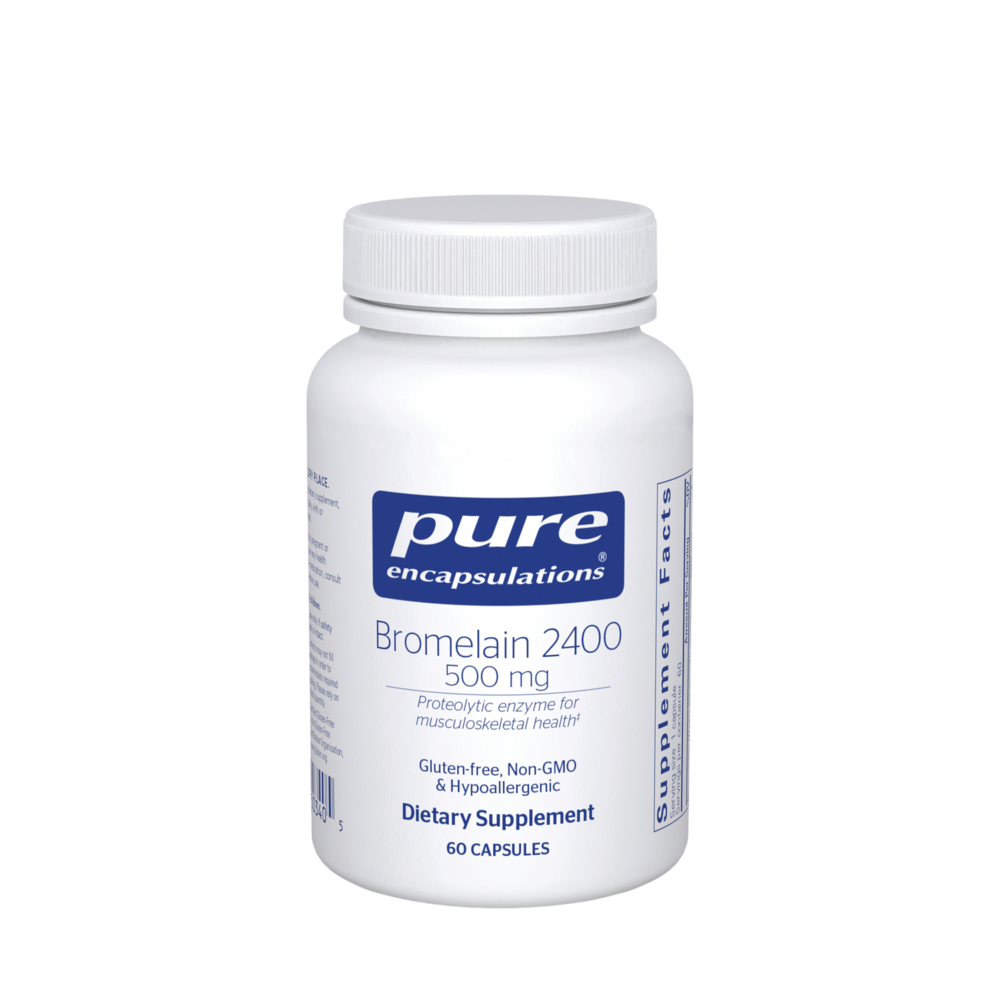
Bromelain 2400 500mg
Pure Encapsulations
60 capsules
$40.00$31.99 with Subscribe & Save
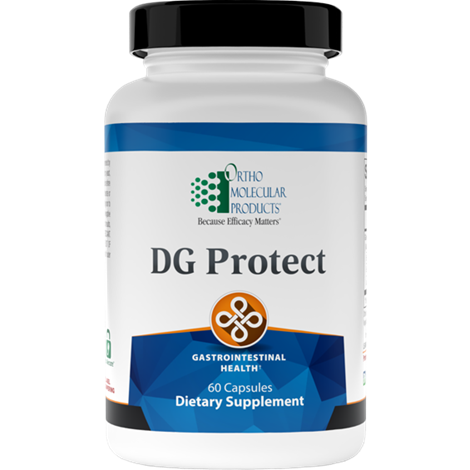
DG Protect
Ortho Molecular Products
60 capsules
$64.44$58.05 with Subscribe & Save
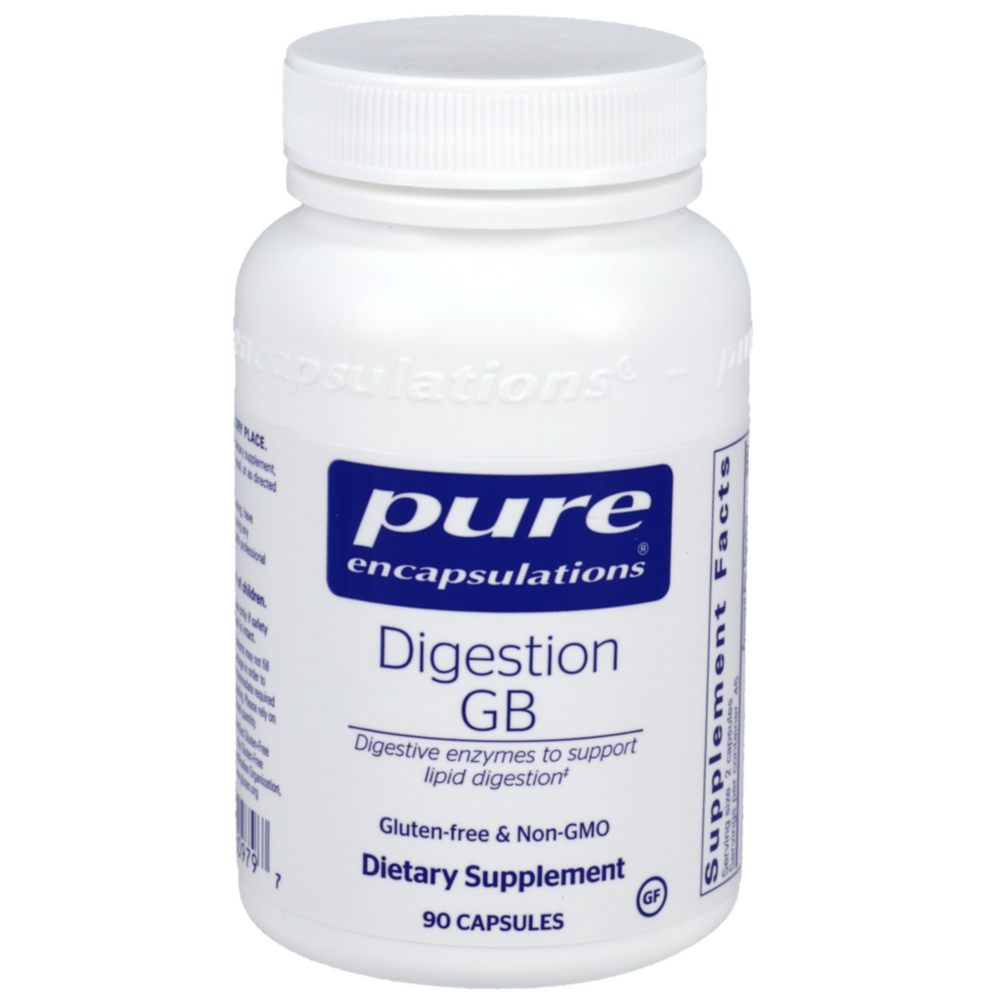
Digestion GB
Pure Encapsulations
90 capsules
$36.50$28.99 with Subscribe & Save