 Instalab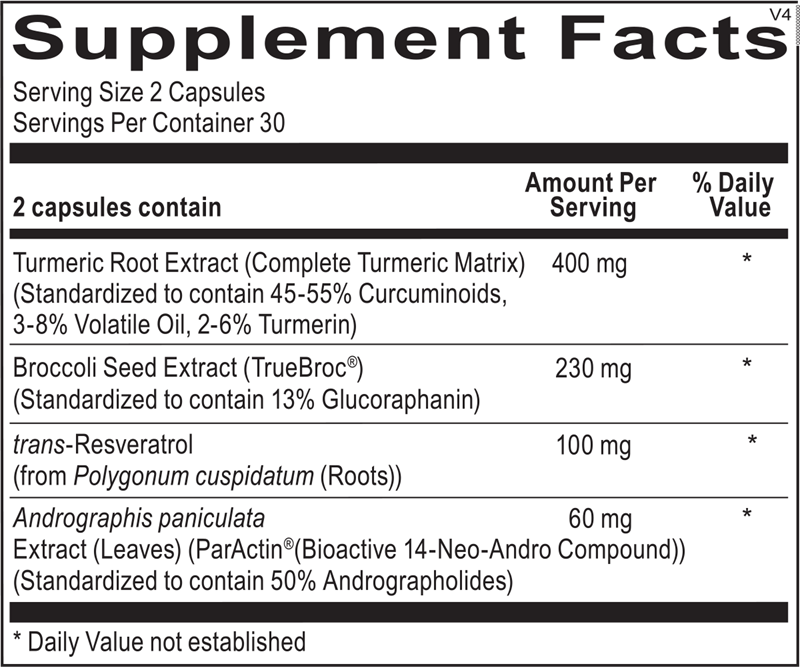
Ortho Molecular Products
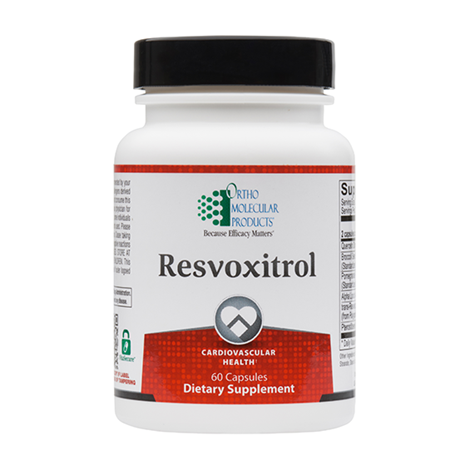
Resvoxitrol by Ortho Molecular Products
60 capsules · 30-day supply
Comprehensive Support for Heart Health and Cellular Longevity$78.20
Purchase options
Practitioner-grade brand3rd-party testedFree shipping $50+
Gluten Free·Yeast Free·Artificial Color Free·Artificial Flavor Free
Ortho Molecular Products Resvoxitrol overview
If your hs-CRP (a blood marker of inflammation) runs high or you’re focused on healthy aging, an Nrf2 supplement is a practical way to push your own antioxidant systems harder. This blend fits adults who don’t eat much broccoli-family vegetables, have metabolic stress from extra weight or sedentary time, or want joint comfort beyond fish oil. If you’re already on turmeric and still inflamed, adding glucoraphanin (the sulforaphane precursor) and resveratrol gives a different lever to pull.
Glucoraphanin from broccoli seed converts to sulforaphane, which flips on Nrf2 (the switch that turns on your cells’ own antioxidant-making genes, like glutathione enzymes). Curcumin from a complete turmeric matrix, resveratrol, and andrographolides also signal Nrf2 while dialing down NF-κB (a pro‑inflammatory master switch). Clinically, that combo is why some people see modest drops in hs-CRP within 4 to 12 weeks and better tolerance of exercise or joint load.
Take 2 capsules daily with a meal that contains some fat; curcumin and resveratrol absorb better with food. For extra sulforaphane yield, take it alongside a bite of mustard, daikon, or other myrosinase-containing food, which helps convert glucoraphanin. Expect any inflammation changes on labs like hs-CRP after 4–12 weeks. If you track lipids or fasting insulin, recheck on the same timeline to see broader metabolic effects.
Use caution with anticoagulants or antiplatelet drugs, since turmeric and resveratrol can increase bleeding tendency. Andrographis can interact with immunosuppressants and may slightly lower blood pressure or blood sugar; monitor if you use antihypertensives or diabetes meds. Avoid in pregnancy or while trying to conceive, and skip if you have active bile duct obstruction or painful gallstones. If you have liver disease, check AST/ALT after a few weeks.
Frequently asked questions
What does an Nrf2 supplement actually do?
It turns on Nrf2, the cellular switch that boosts your own antioxidant enzymes like glutathione peroxidase. That reduces oxidative stress and can modestly lower inflammation markers such as hs-CRP in responders over several weeks.
How long until I notice effects from sulforaphane and turmeric?
Most measurable changes show up within 4–12 weeks. Subjectively, some notice easier joint movement or exercise recovery earlier, but inflammation labs like hs-CRP typically shift on the order of months, not days.
Should I take this with food or on an empty stomach?
Take it with a meal that has some fat to improve curcumin and resveratrol absorption. Pairing with a small amount of mustard or raw crucifers can increase conversion of glucoraphanin to sulforaphane.
Is glucoraphanin the same as sulforaphane?
Glucoraphanin is the precursor. Your body (or myrosinase from foods like mustard) converts it into sulforaphane, the active compound that drives Nrf2 activation. Taking it with myrosinase-rich food improves that conversion.
Does this interact with blood thinners like warfarin?
Yes, be cautious. Turmeric and resveratrol can increase bleeding risk with warfarin and antiplatelet drugs. If you and your clinician proceed, monitor INR and watch for bruising or nosebleeds.
Is it safe during pregnancy or breastfeeding?
No. High-dose curcumin, resveratrol, and especially andrographis aren’t recommended in pregnancy or while trying to conceive. Skip during breastfeeding due to limited safety data.
What side effects should I watch for?
Possible mild nausea, reflux, or loose stools. Rarely, turmeric extracts can raise liver enzymes; check AST/ALT if you have liver issues. Andrographis can cause taste changes or fatigue in some users.
Which labs can I track to see if it’s working?
Track hs-CRP for inflammation. If you’re monitoring metabolic health, recheck fasting insulin and a lipid panel. Some clinicians also follow GGT as a rough read on oxidative stress over time.
How to take it & ingredients
Suggested use: 2 capsules per day or as recommended by your health care professional.
Active ingredients
2 capsules per serving · 30 servings
Turmeric Root Extract
Complete Turmeric Matrix (Standardized to contain 45–55% Curcuminoids, 3–8% Volatile Oil, 2–6% Turmerin)
Complete Turmeric Matrix (Standardized to contain 45–55% Curcuminoids, 3–8% Volatile Oil, 2–6% Turmerin)
400 mg
Broccoli Seed Extract
TrueBroc® (Standardized to contain 13% Glucoraphanin)
TrueBroc® (Standardized to contain 13% Glucoraphanin)
230 mg
trans-Resveratrol
From Polygonum cuspidatum (Roots)
From Polygonum cuspidatum (Roots)
100 mg
Andrographis paniculata Extract
Leaves (ParActin®) (Standardized to contain 50% Andrographolides)
Leaves (ParActin®) (Standardized to contain 50% Andrographolides)
60 mg
Certifications
Benefits
Warnings
Customers also considered
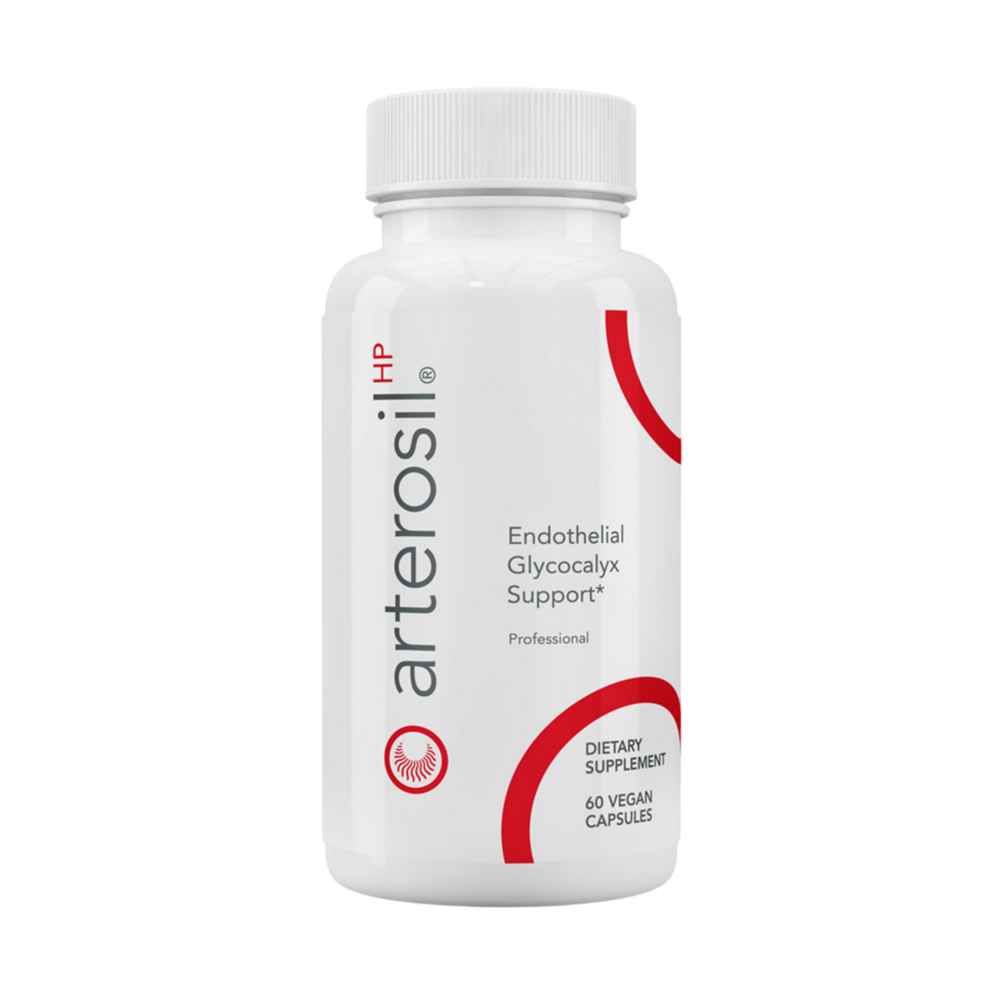
Arterosil HP
Calroy Health Sciences
60 capsules
$99.99$79.99 with Subscribe & Save
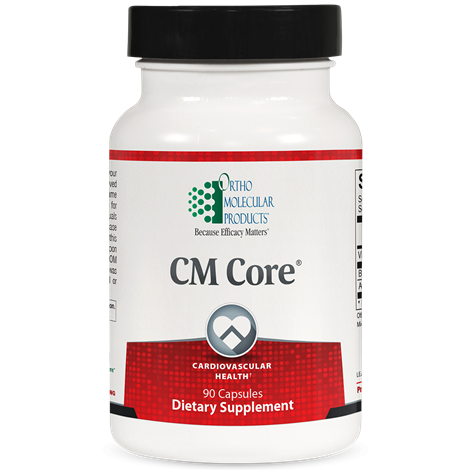
CM Core
Ortho Molecular Products
90 capsules
$70.32$63.35 with Subscribe & Save
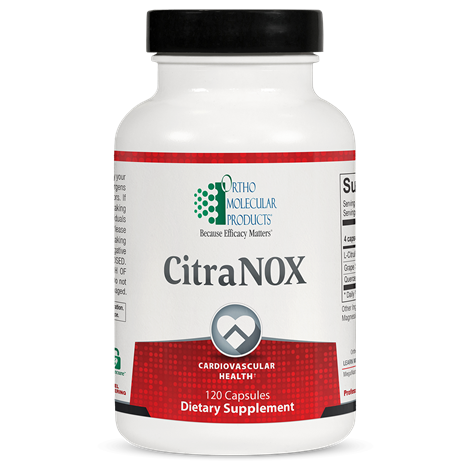
CitraNOX
Ortho Molecular Products
120 capsules
$70.32$63.35 with Subscribe & Save
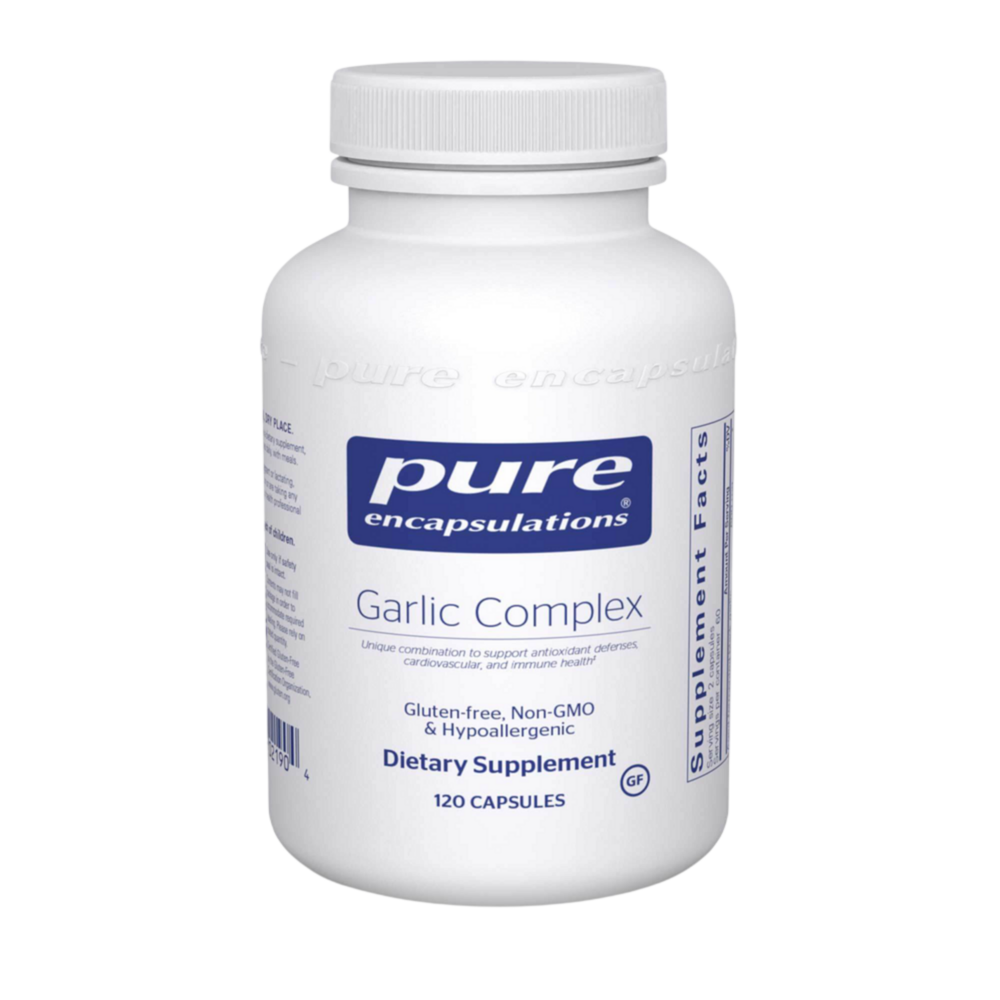
Garlic Complex
Pure Encapsulations
120 capsules
$59.50$47.99 with Subscribe & Save