 Instalab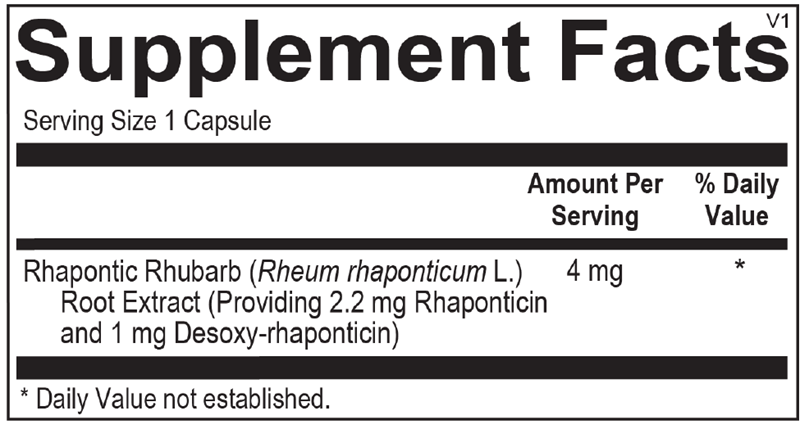

Ortho Molecular Products
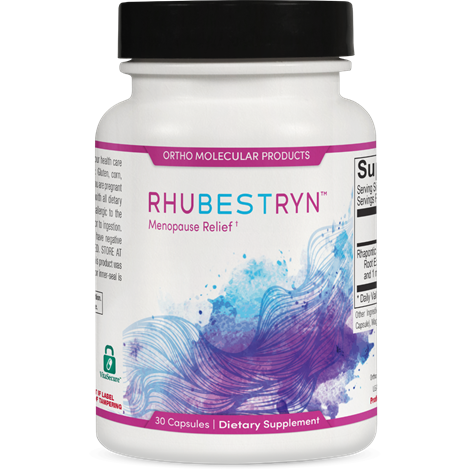
RHUBESTRYN™ 4 mg by Ortho Molecular Products
30 capsules · 30-day supply
Support Hormonal Balance with Natural Rhubarb Extract$54.00
Purchase options
Practitioner-grade brand3rd-party testedFree shipping $50+
Vegan·Vegetarian·Gluten Free·Artificial Color Free·Artificial Flavor Free
Ortho Molecular Products RHUBESTRYN™ overview
If perimenopause or early postmenopause has you dealing with hot flashes, night sweats, and sleep disruption, rhubarb extract for hot flashes is a practical first step before or alongside prescription options. It fits women who want a nonhormonal approach, or who aren’t candidates for estrogen therapy. Track symptoms and, if you’re lab-minded, your FSH (the brain’s menopause signal) and Estradiol. Expect a clearer readout if your symptoms are moderate and fairly frequent.
Rhapontic rhubarb extract (ERr 731) acts like a selective plant estrogen at estrogen receptor beta (one of the two main estrogen docking sites that helps regulate temperature control, mood, and sleep) while sparing receptor alpha (the subtype linked to breast and uterine growth). That selectivity explains why trials show fewer hot flashes without endometrial thickening on ultrasound. The extract also modestly calms pro‑inflammatory signaling, which may contribute to better sleep and mood steadiness in responders.
One capsule once daily is the studied dose for ERr 731, and Ortho Molecular Products matches that at 4 mg. Take it at the same time each day, with or without food. Most women notice fewer hot flashes within 2 to 4 weeks, with steadier improvement by 8 to 12 weeks. Give it a full 8 weeks before judging. You can combine it with magnesium glycinate at night for sleep, but avoid stacking multiple phytoestrogens without a plan.
Skip this during pregnancy or breastfeeding, with unexplained vaginal bleeding, or if you have a history of estrogen‑receptor–positive breast, uterine, or ovarian cancer unless your oncology team agrees. Be cautious if you take tamoxifen or an aromatase inhibitor (cancer drugs that block estrogen action), since ERr 731 has estrogen‑like effects at receptor beta. Stop and check labs if you develop new pelvic pain or bleeding. Liver safety has been favorable in studies, but report persistent nausea or dark urine.
Frequently asked questions
How fast does rhubarb extract work for hot flashes?
Most women feel fewer hot flashes within 2–4 weeks, with fuller benefits by 8–12 weeks. Track symptoms weekly. If nothing changes by week 8, reassess dose adherence, triggers (alcohol, overheating), or consider other options.
Is rhapontic rhubarb the same as ERr 731?
Yes. ERr 731 is the standardized extract of Rhapontic Rhubarb (Rheum rhaponticum) used in clinical trials. The effective daily amount is 4 mg, which matches this formula.
Can I take rhubarb extract with hormone therapy?
It’s usually unnecessary to combine with estrogen therapy. If you’re already on hormones but still symptomatic, talk with your clinician before adding this, since dose adjustments to your prescription may be a cleaner solution.
Is rhubarb extract safe with antidepressants like SSRIs?
Generally yes. There’s no known direct interaction with SSRIs or SNRIs. If you’re using an antidepressant specifically for hot flashes, adding ERr 731 is reasonable, but monitor for duplicate benefit and simplify if possible.
Does rhubarb extract affect breast or uterine tissue?
Trials show ERr 731 relieves hot flashes without increasing endometrial thickness on ultrasound and without abnormal bleeding in most users. Even so, report any new bleeding or breast changes to your clinician promptly.
What are the common side effects of ERr 731?
It’s generally well tolerated. Occasional users report mild stomach upset or headache. Serious issues are rare. Stop and seek care for new vaginal bleeding, persistent pelvic pain, or signs of liver trouble like dark urine.
Can I take rhubarb extract long term?
Yes. Studies follow women for 6–12 months with continued benefit. Recheck your symptom diary every 3 months and consider tapering after a sustained quiet period. Resume if hot flashes return.
How does rhubarb extract compare to black cohosh or soy?
ERr 731 targets estrogen receptor beta selectively, with consistent 4 mg dosing and solid trial data. Black cohosh works differently and data are mixed. Soy isoflavones can help some, but require higher daily amounts.
How to take it & ingredients
Suggested use: 1 capsule per day or as recommended by your health care professional.
Active ingredients
1 capsule per serving · 30 servings
▼
Rhapontic Rhubarb Root Extract
Rheum rhaponticum L.
Rheum rhaponticum L.
4 mg
Rhaponticin
2.2 mg
Desoxy-rhaponticin
1 mg
Other ingredients: Microcrystalline Cellulose, Hypromellose (Natural Vegetable Capsule), Magnesium Stearate, Silicon Dioxide
Certifications
Benefits
Warnings
Customers also considered
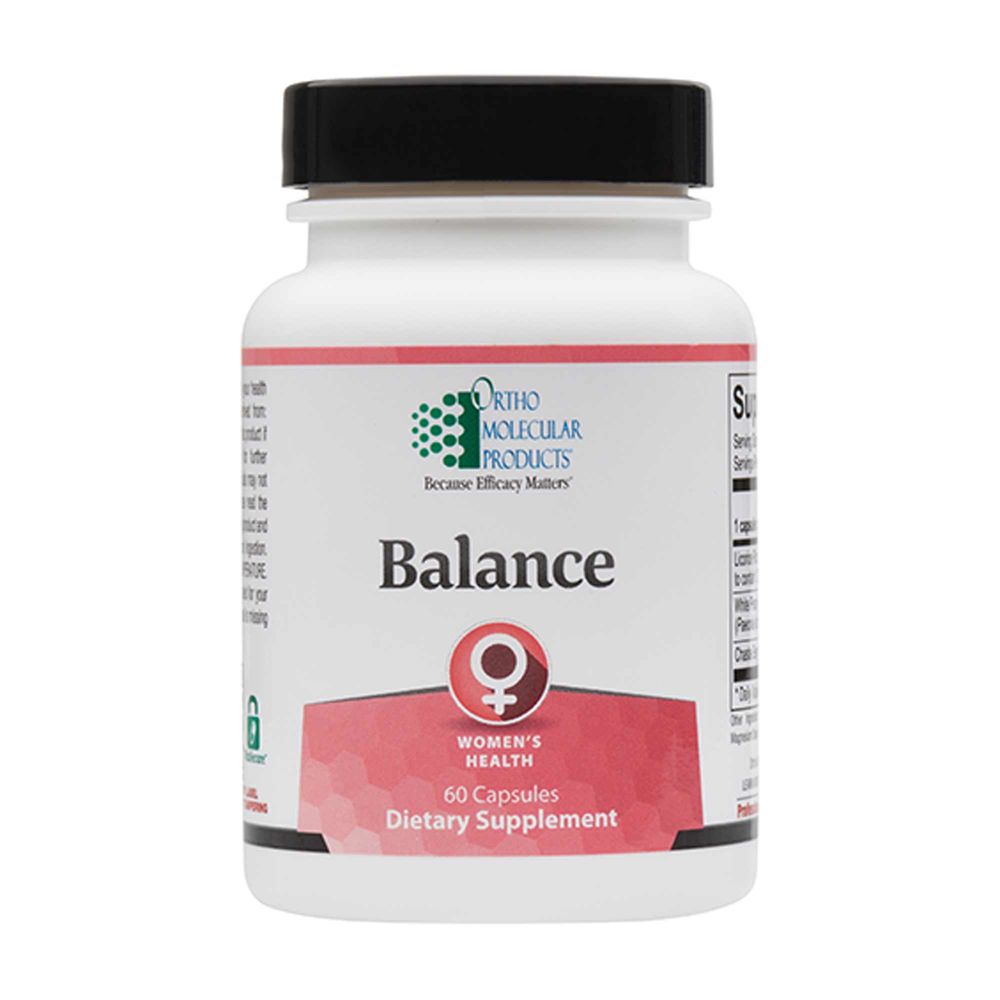
Balance
Ortho Molecular Products
60 capsules
$47.90$43.15 with Subscribe & Save
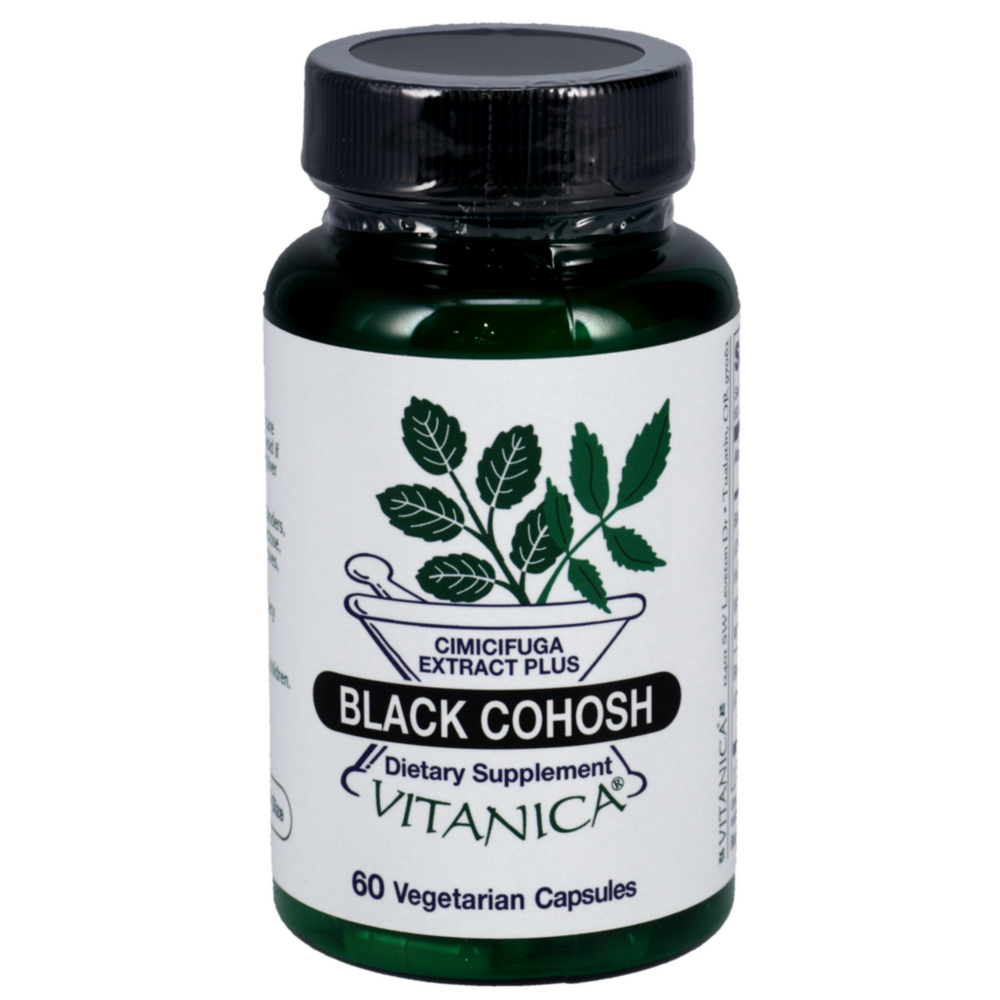
Black Cohosh
Vitanica
60 capsules
$17.99$13.99 with Subscribe & Save
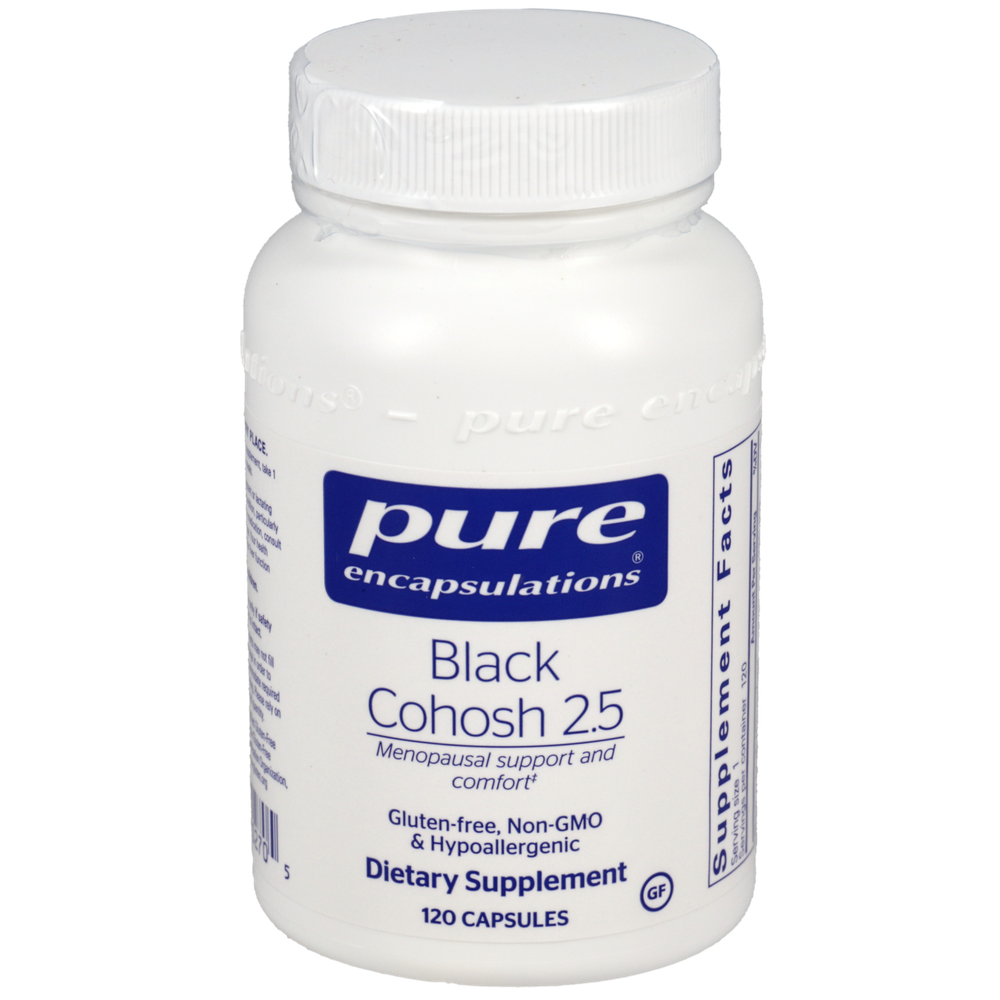
Black Cohosh 2.5
Pure Encapsulations
120 capsules
$53.00$41.99 with Subscribe & Save
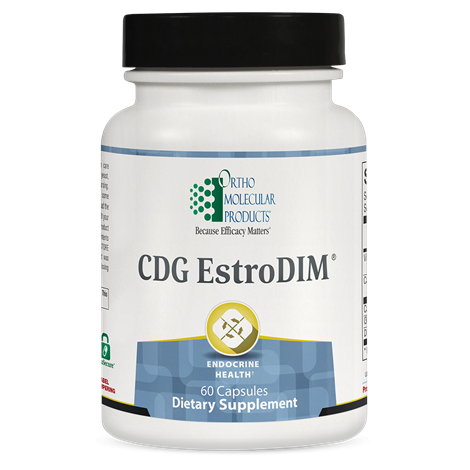
CDG EstroDIM
Ortho Molecular Products
60 capsules
$103.73$93.45 with Subscribe & Save