 Instalab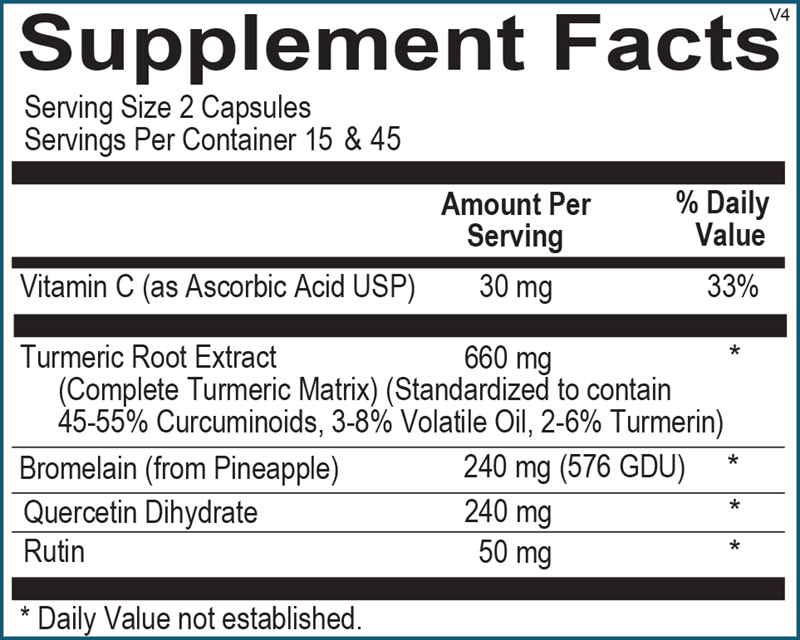

Ortho Molecular Products
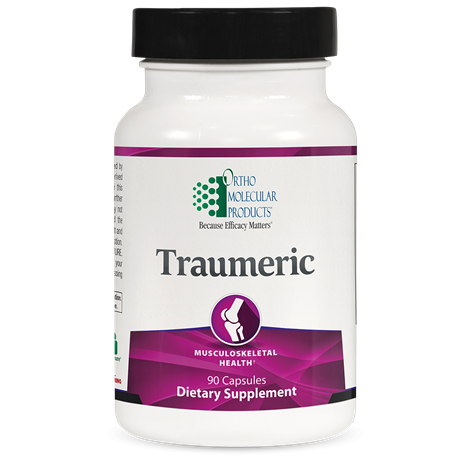
Traumeric by Ortho Molecular Products
90 capsules · 45-day supply
Comprehensive Inflammation Support with Curcumin, Bromelain, and Antioxidants$86.08
Purchase options
Practitioner-grade brand3rd-party testedFree shipping $50+
Gluten Free·Yeast Free·Artificial Color Free·Artificial Flavor Free
Ortho Molecular Products Traumeric overview
This fits adults looking for turmeric for inflammation when joints, tendons, or post‑workout soreness keep flaring. It is useful if your hs-CRP (a blood marker of systemic inflammation) runs high or you rely on over-the-counter pain relievers but want a stomach-friendlier alternative. Plant-forward eaters who get few polyphenols from spices, and allergy-prone users who tolerate quercetin well, are common responders. If you need prescription-level pain control, use this as an adjunct and set expectations for gradual change over weeks, not days.
The turmeric extract here is a complete matrix, not isolated curcumin. It includes curcuminoids plus turmeric volatile oils and turmerin protein, which together improve absorption and dampen NF‑κB signaling (the switch that turns on many inflammatory genes). That lowers COX and LOX enzyme activity, so fewer prostaglandins and leukotrienes (inflammatory signals) are made. Bromelain (a protein-digesting enzyme from pineapple) reduces swelling by acting on bradykinin and fibrin, and quercetin with rutin stabilizes mast cells (cells that release histamine) and provides antioxidant support. Vitamin C helps recycle these flavonoids.
Take 2 capsules daily, ideally with a meal that contains some fat to improve turmeric uptake. Splitting the dose morning and evening often smooths comfort across the day. Most people notice easing of joint or tendon discomfort within 2 to 4 weeks; give 4 to 12 weeks to see changes on labs like hs-CRP. For sensitive stomachs, start with 1 capsule for a week, then move up. If you are targeting post-exercise soreness, take the second capsule within a few hours after training.
Skip or get clinician clearance if you use blood thinners such as warfarin, apixaban, rivaroxaban, or clopidogrel, since bromelain and quercetin can increase bleeding risk, especially with aspirin or NSAIDs. Stop 1 to 2 weeks before surgery. Avoid if you have a pineapple allergy. Curcumin can aggravate gallbladder disease and sometimes reflux. High-oxalate kidney stone formers should limit long-term high turmeric intake. Pregnancy and breastfeeding: avoid high-dose curcumin and bromelain unless your obstetric clinician is on board.
Frequently asked questions
How long does turmeric take to work for joint pain?
Most people feel a difference in 2–4 weeks, with fuller effects by 8–12 weeks. Lab markers like hs-CRP usually need the longer window. Daily consistency and taking it with meals that include fat improve results.
Does turmeric thin your blood?
Turmeric and especially bromelain and quercetin can increase bleeding tendency. If you take warfarin, apixaban, rivaroxaban, clopidogrel, or daily aspirin, talk to your clinician before using this and stop before surgery.
Should I take bromelain and quercetin on an empty stomach or with food?
For this combo, taking with food improves turmeric absorption and reduces stomach upset. Empty stomach dosing can increase bromelain’s enzyme activity, but tolerance is the priority for most users.
Can I take this with ibuprofen or naproxen?
It is better to avoid combining routinely because the stack may raise bleeding risk and stomach irritation. If you need an occasional dose together, keep it short-term and check in with your clinician.
Is turmeric safe if I have gallstones or reflux?
Curcumin can stimulate bile flow and sometimes worsens gallbladder symptoms or reflux. If you have gallstones, biliary obstruction, or frequent heartburn, avoid or start only with clinician guidance.
Can this help with seasonal allergies?
Quercetin and rutin stabilize mast cells, which can ease sneezing and itching in some people. If it helps, expect gradual relief over 2–4 weeks, not the rapid effect of an antihistamine.
Any common side effects with turmeric and bromelain?
Most are mild: stomach upset, loose stools, or reflux. Rarely, rash occurs, more likely if you have pineapple allergy. Starting with a lower dose and taking with food reduces stomach issues.
How to take it & ingredients
Suggested use: 2 capsules per day or as recommended by your health care professional.
Active ingredients
2 capsules per serving · 45 servings
Vitamin C
As Ascorbic Acid USP
As Ascorbic Acid USP
30 mg
Turmeric Root Extract
Complete Turmeric Matrix (Standardized to contain 45–55% Curcuminoids, 3–8% Volatile Oil, 2–6% Turmerin)
Complete Turmeric Matrix (Standardized to contain 45–55% Curcuminoids, 3–8% Volatile Oil, 2–6% Turmerin)
660 mg
Bromelain
From Pineapple (576 GDU)
From Pineapple (576 GDU)
240 mg
Quercetin Dihydrate
240 mg
Rutin
50 mg
Other ingredients: Hypromellose (Natural Vegetable Capsules), Silicon Dioxide, Magnesium Stearate, Stearic Acid
Certifications
Benefits
Warnings
Customers also considered
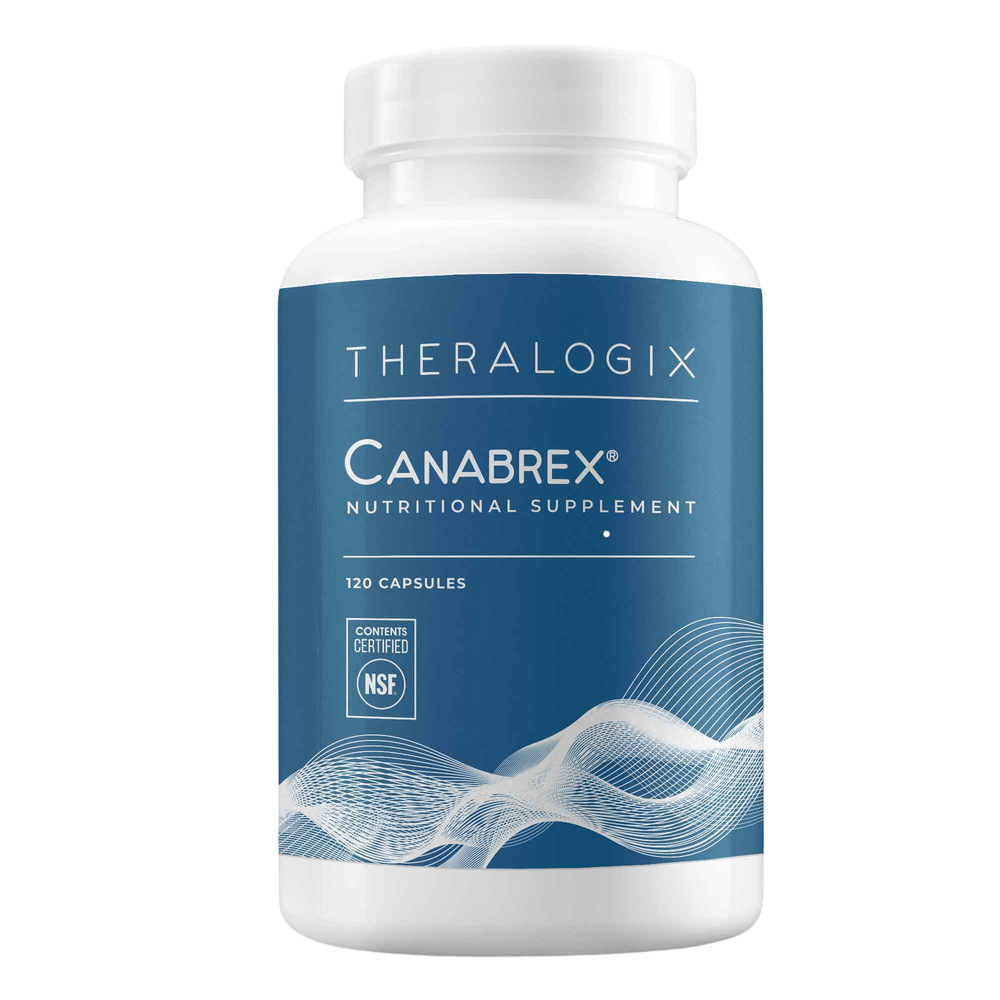
Canabrex
Theralogix
120 capsules
$92.99$73.99 with Subscribe & Save
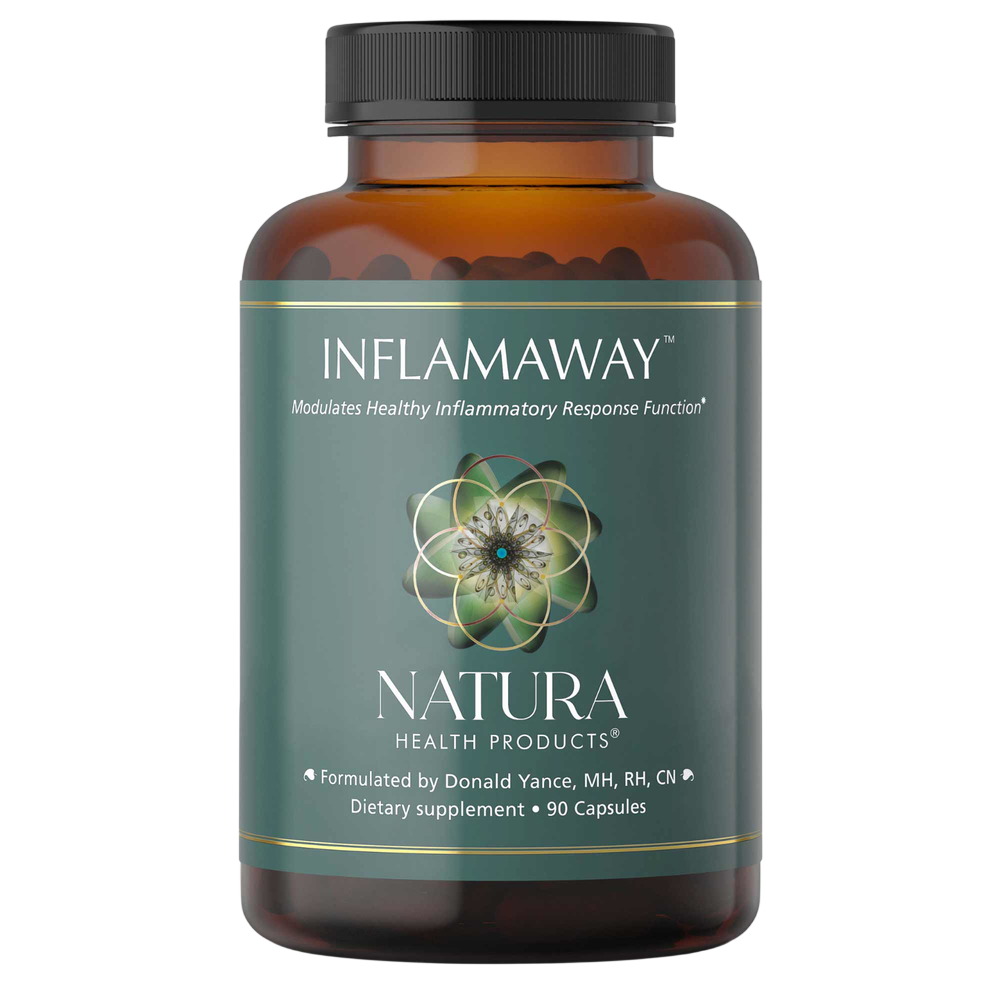
INFLAMAWAY
Natura Health Products
90 capsules
$67.99$53.99 with Subscribe & Save
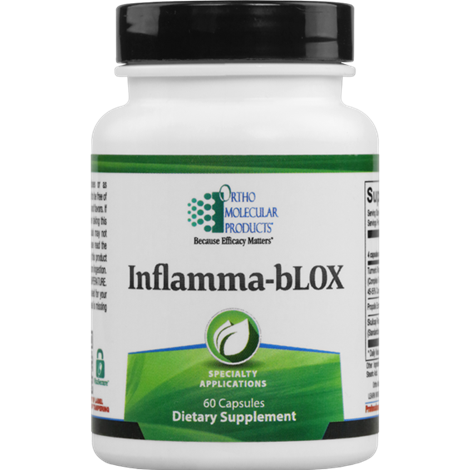
Inflamma-bLOX
Ortho Molecular Products
60 capsules
$58.89$53.05 with Subscribe & Save
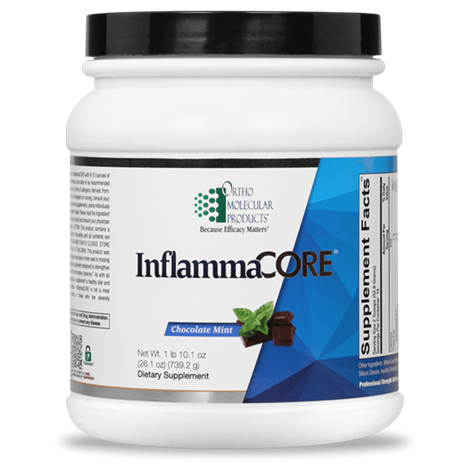
InflammaCORE® Chocolate Mint
Ortho Molecular Products
739.2 grams
$105.39$94.95 with Subscribe & Save