 Instalab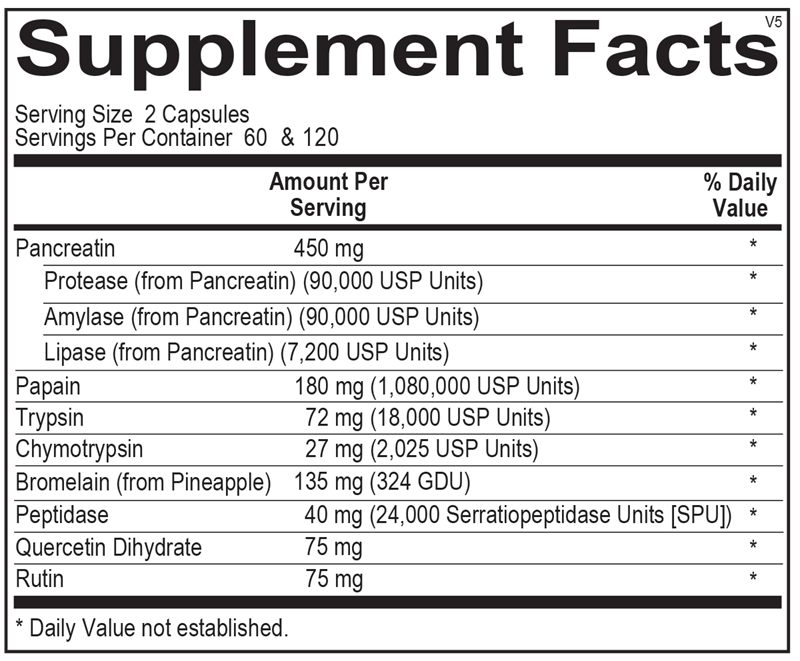

Ortho Molecular Products
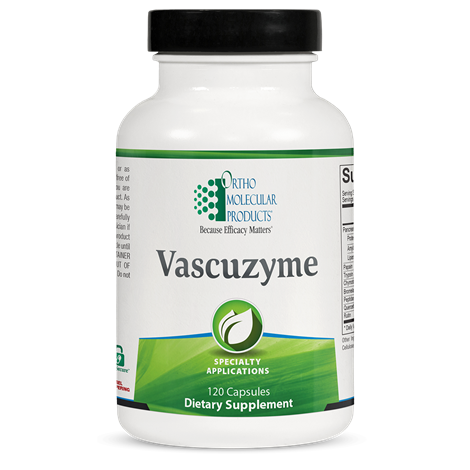
Vascuzyme by Ortho Molecular Products
240 capsules · 120-day supply
Comprehensive Enzyme Blend for Enhanced Inflammation Support and Recovery$130.59
Purchase options
Practitioner-grade brand3rd-party testedFree shipping $50+
Gluten Free·Yeast Free·Artificial Color Free·Artificial Flavor Free
Ortho Molecular Products Vascuzyme overview
Weekend athletes with tendon or soft‑tissue soreness, people managing short-term swelling after dental or orthopedic work (under clinician guidance), and those who avoid frequent NSAIDs often try systemic enzymes. If your hs-CRP (a general inflammation marker) runs high despite sleep, diet, and omega‑3s, some use a time‑limited trial to see if symptoms improve. This dose is suitable for maintenance or gentle recovery; for acute flares, clinicians sometimes pulse higher total enzyme units for 1 to 2 weeks, then step down.
Taken away from food, proteolytic enzymes circulate and help break down excess protein debris from minor injury, which can ease stiffness and swelling. Bromelain and trypsin also blunt signals like bradykinin (a peptide that drives pain and fluid leakage), and may reduce fibrin (the clotting mesh) formation, which is why some patients feel looser. Quercetin and rutin are plant flavonoids that stabilize mast cells (the cells that release histamine) and support capillary integrity. Effects on hs-CRP or fibrinogen (a clotting protein) are modest and variable in practice.
The suggested use is two capsules daily on an empty stomach. For systemic action, take them 45–60 minutes before a meal or at least 2 hours after, and avoid pairing with protein shakes at the same time. Hydrate well. People using systemic enzymes for a new strain or sprain often notice changes in 3–7 days; for chronic overuse, give it 2–4 weeks. If you need larger unit counts, a clinician can help you titrate temporarily, then return to a maintenance dose.
Avoid if you’re on blood thinners or antiplatelets (warfarin, apixaban, rivaroxaban, clopidogrel, high‑dose aspirin), have a bleeding disorder, upcoming surgery, active ulcer, or uncontrolled reflux. Bromelain and papain can trigger reactions in people with pineapple, papaya, or latex‑fruit allergies. Pancreatin is typically porcine‑derived; not suitable for strict vegans or those avoiding pork. Pregnancy or breastfeeding: skip unless your clinician specifically recommends it. Stop if you develop rash, unusual bruising, or persistent GI upset.
Frequently asked questions
Do systemic enzymes thin your blood?
They can have mild blood‑thinning effects by influencing fibrin and platelet activity, which is why they’re not advised with anticoagulants or antiplatelets. If you bruise easily or have a bleeding disorder, avoid them and discuss options with your clinician.
How long do systemic enzymes take to work?
For acute sprains or post‑exercise soreness, some people notice less stiffness within 3–7 days. For chronic overuse issues, allow 2–4 weeks. If nothing changes by a month, it’s reasonable to stop and reassess with your clinician.
Can I take systemic enzymes with food?
For systemic effects, take them away from meals: 45–60 minutes before or 2 hours after. With food, these enzymes mostly aid digestion rather than circulating to affect tissue recovery.
Will systemic enzymes lower hs-CRP?
They’re not a reliable way to lower hs-CRP (a broad inflammation marker). Some individuals see small reductions, but sleep, weight management, exercise, and omega‑3 intake usually have a larger impact on hs‑CRP.
Is this vegan or pork‑free?
No. Pancreatin is generally sourced from pork. If you need a vegan option, look for bromelain, papain, and serrapeptase‑only formulas and confirm sourcing with the manufacturer.
Can I combine systemic enzymes with ibuprofen or naproxen?
Short courses are sometimes combined clinically, but both can increase bleeding risk, especially around surgery. Use the lowest effective NSAID dose, watch for bruising or stomach irritation, and involve your clinician.
What side effects should I watch for?
Common ones are mild nausea, bloating, or loose stools when starting or if taken with meals. Stop and seek care for rash, breathing trouble, black stools, unusual bruising, or persistent abdominal pain.
How to take it & ingredients
Suggested use: 2 capsules per day on an empty stomach or as recommended by your health care professional.
Active ingredients
2 capsules per serving · 120 servings
Pancreatin
Protease 90,000 USP Units, Amylase 90,000 USP Units, Lipase 7,200 USP Units
Protease 90,000 USP Units, Amylase 90,000 USP Units, Lipase 7,200 USP Units
450 mg
Papain
1,080,000 USP Units
1,080,000 USP Units
180 mg
Trypsin
18,000 USP Units
18,000 USP Units
72 mg
Chymotrypsin
2,025 USP Units
2,025 USP Units
27 mg
Bromelain
From Pineapple (324 GDU)
From Pineapple (324 GDU)
135 mg
Peptidase
Serratiopeptidase (24,000 SPU)
Serratiopeptidase (24,000 SPU)
40 mg
Quercetin Dihydrate
75 mg
Rutin
75 mg
Other ingredients: Hypromellose (Natural Vegetable Capsules), Microcrystalline Cellulose, Silicon Dioxide, Magnesium Stearate
Certifications
Benefits
Warnings
Customers also considered
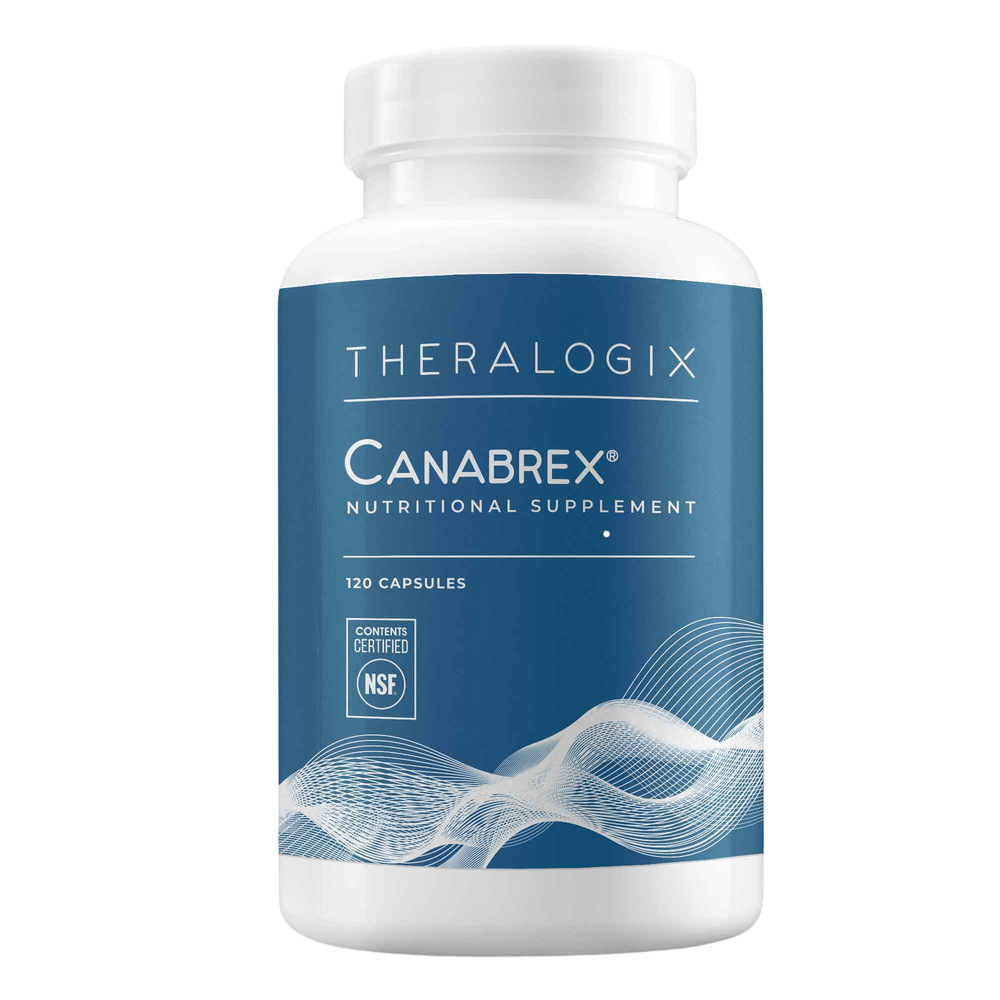
Canabrex
Theralogix
120 capsules
$92.99$73.99 with Subscribe & Save
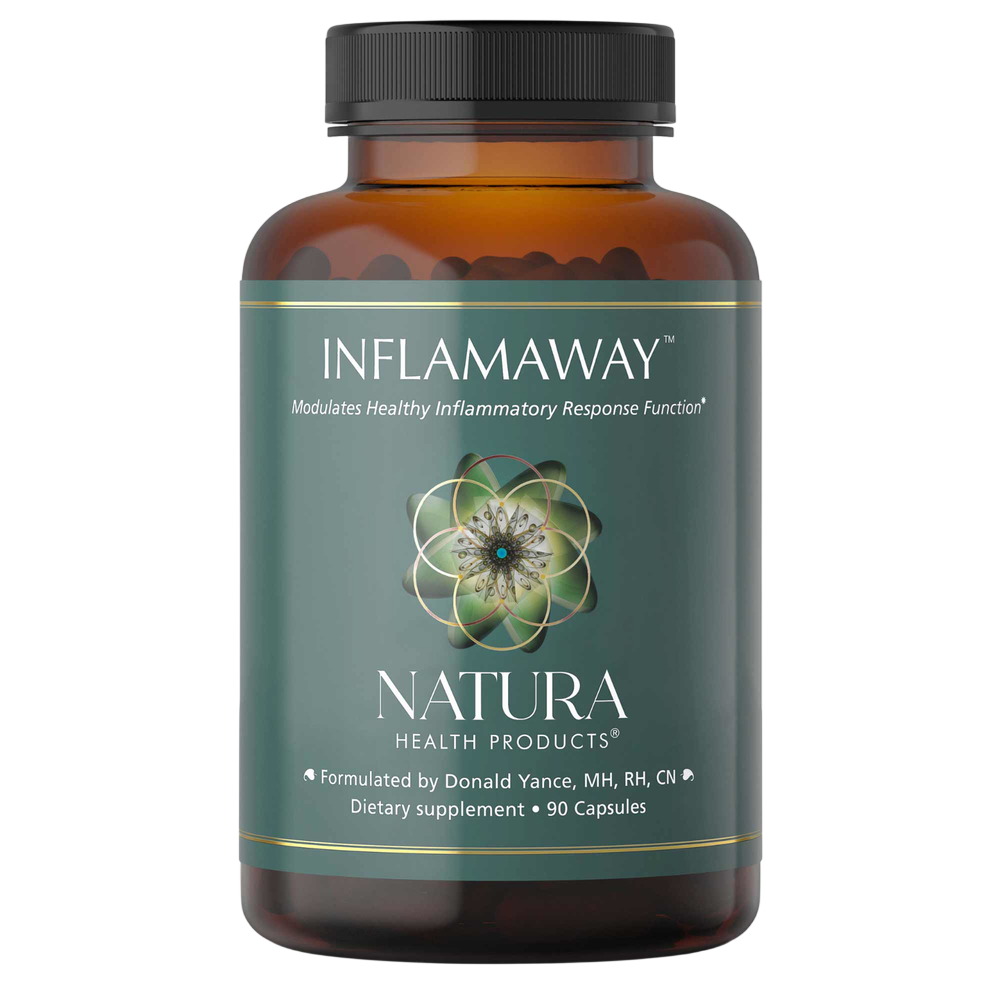
INFLAMAWAY
Natura Health Products
90 capsules
$67.99$53.99 with Subscribe & Save
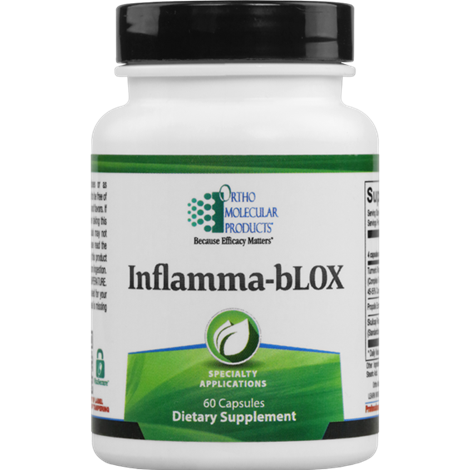
Inflamma-bLOX
Ortho Molecular Products
60 capsules
$58.89$53.05 with Subscribe & Save
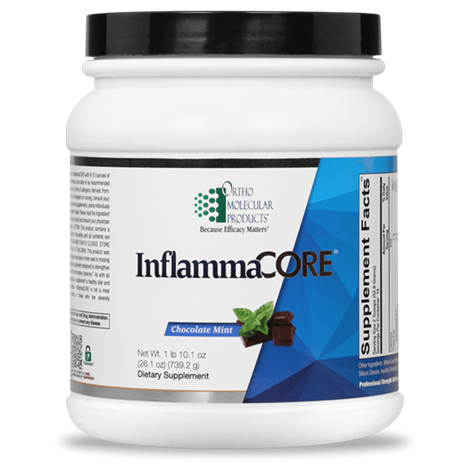
InflammaCORE® Chocolate Mint
Ortho Molecular Products
739.2 grams
$105.39$94.95 with Subscribe & Save