 Instalab


Pure Encapsulations
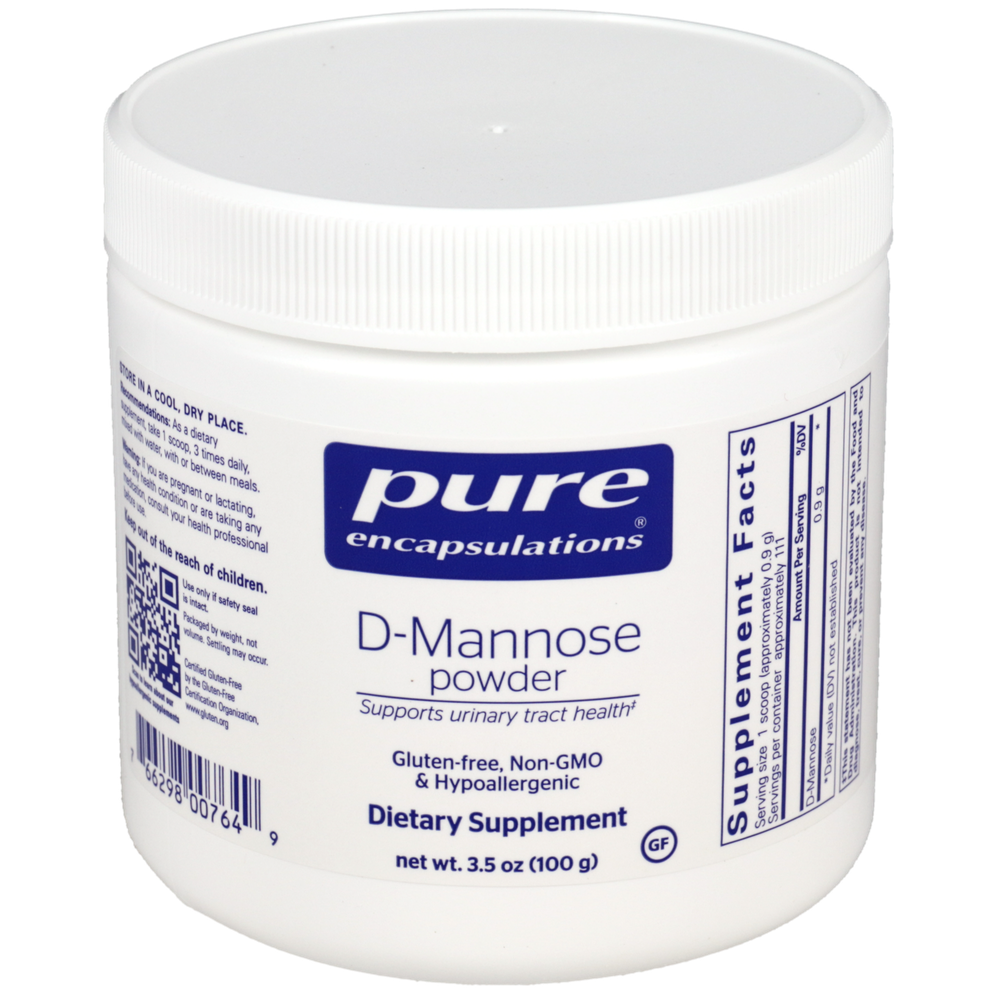
D-Mannose 0.9 g by Pure Encapsulations
100 grams
Single-Ingredient D-Mannose Powder for Urinary Tract Support$106.99
Purchase options
Practitioner-grade brand3rd-party testedFree shipping $50+
Gluten Free
Pure Encapsulations D-Mannose overview
D-mannose is taken to support urinary tract health, most often by women who are prone to recurring urinary discomfort and want a non-antibiotic option to discuss with their clinician. It is not a substitute for care when you have symptoms. Burning, urgency, blood in the urine, fever or back pain call for a clinician and a Urine Culture, because a bladder infection that is left alone can reach the kidneys.
D-mannose is a simple sugar, related to glucose, that occurs naturally in some fruits. Much of a dose is absorbed and passes into the urine unchanged, with little used for energy. The idea behind it is mechanical: the E. coli behind most urinary infections cling to the bladder wall with projections that bind mannose, and free mannose in the urine may occupy those binding sites so the bacteria are flushed out. The clinical evidence is mixed. Early small trials were encouraging, while a larger, more recent placebo-controlled trial found no benefit.
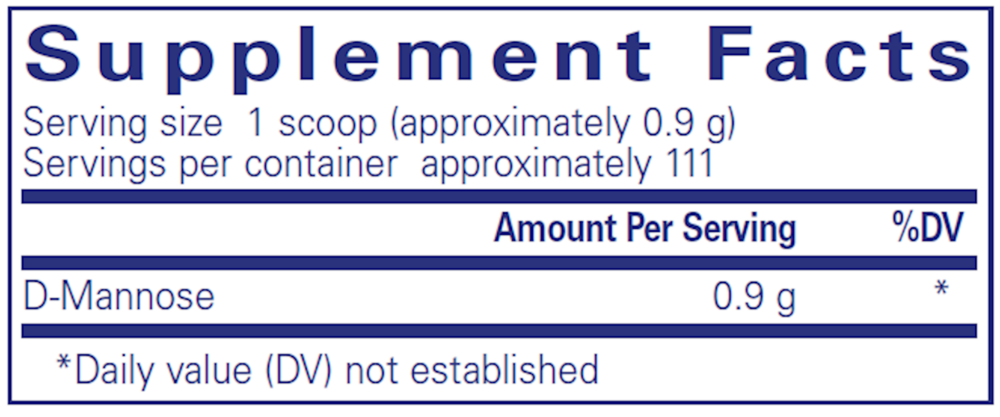
Each scoop provides approximately 0.9 g of D-mannose, and the label lists no other ingredients. The label directs 1 scoop, 3 times daily, mixed with water, with or between meals. Stir it into a glass of water and drink it. Keeping your fluid intake up through the day makes sense, since the aim is to keep urine flowing.
D-mannose is generally well tolerated; loose stools and bloating are the usual complaints. It is a sugar, and although it has little effect on blood glucose in most people, anyone with diabetes should watch their readings and tell their clinician. Safety in pregnancy and nursing has not been established, and urinary symptoms in pregnancy always need medical care. If you have kidney disease, check with your clinician before using it.
Do not expect to feel anything from D-mannose. Judge it with your clinician over three to six months, alongside the basics: enough fluids and not delaying urination. Cranberry extract is the usual alternative and works on a similar principle, with similarly mixed evidence. If urinary problems keep recurring, prescription options have stronger evidence behind them, and that conversation is worth having.
Frequently asked questions
What is D-mannose?
D-mannose is a simple sugar related to glucose, found naturally in some fruits. Unlike glucose, much of it is not used for energy and passes into the urine. This powder provides approximately 0.9 g of D-mannose per scoop.
How do I take D-mannose powder?
The label directs 1 scoop, 3 times daily, mixed with water, with or between meals. Each scoop is approximately 0.9 g. Stir it into a glass of water and drink it, and keep your fluid intake up through the day.
Does D-mannose work for urinary tract health?
The evidence is mixed. In the lab, D-mannose keeps E. coli from attaching to bladder cells, and early small trials were encouraging, but a larger recent placebo-controlled trial found no benefit. Discuss it with your clinician as one option among several.
Can D-mannose replace antibiotics for a UTI?
No. If you have burning, urgency, blood in the urine, fever or back pain, see a clinician and get a Urine Culture. An infection that is left alone can spread to the kidneys. D-mannose is a supplement for ongoing support, not a therapy for an active infection.
Is D-mannose safe for people with diabetes?
D-mannose is a sugar, but the body handles it differently from glucose and it has little effect on blood sugar in most people. If you have diabetes, watch your readings when you start and tell your clinician you are taking it.
What are the side effects of D-mannose?
Most people tolerate it well. Loose stools and bloating are the most common complaints. If they occur, try taking it with meals, and check with your clinician if they do not settle or if you have kidney disease.
Can I take D-mannose during pregnancy?
Safety in pregnancy and nursing has not been established, and the label says to consult your health professional first. Urinary symptoms in pregnancy always need prompt medical attention, so do not rely on a supplement.
How does D-mannose compare with cranberry?
Both are thought to make it harder for E. coli to stick to the lining of the urinary tract: cranberry through compounds called proanthocyanidins, D-mannose by occupying the bacteria's binding sites. Evidence for both is mixed, and neither replaces medical care.
How to take it & ingredients
Suggested use: As a dietary supplement, take 1 scoop, 3 times daily, mixed with water, with or between meals.
Active ingredients
1 scoop (approximately 0.9 g) per serving
D-Mannose
0.9 g
Certifications
Benefits
Warnings
Customers also considered
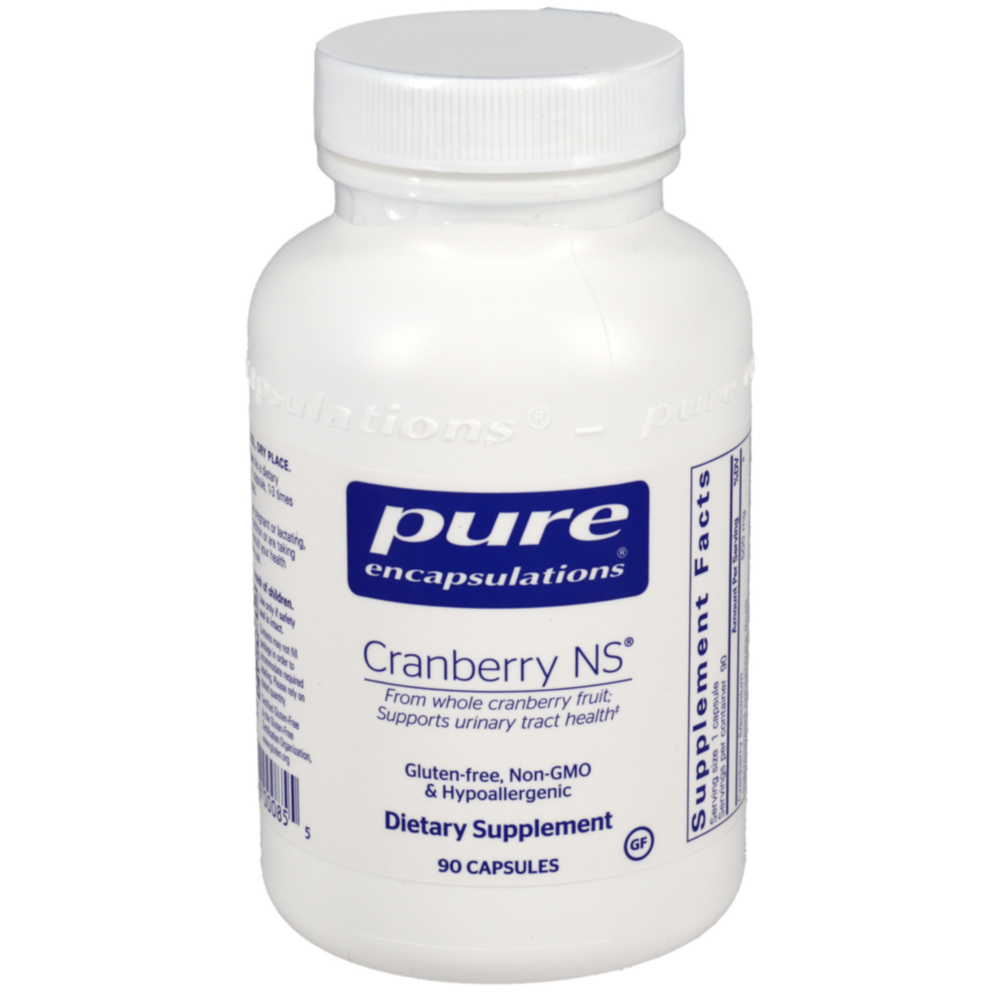
Cranberry NS
Pure Encapsulations
90 capsules
$41.50$32.99 with Subscribe & Save
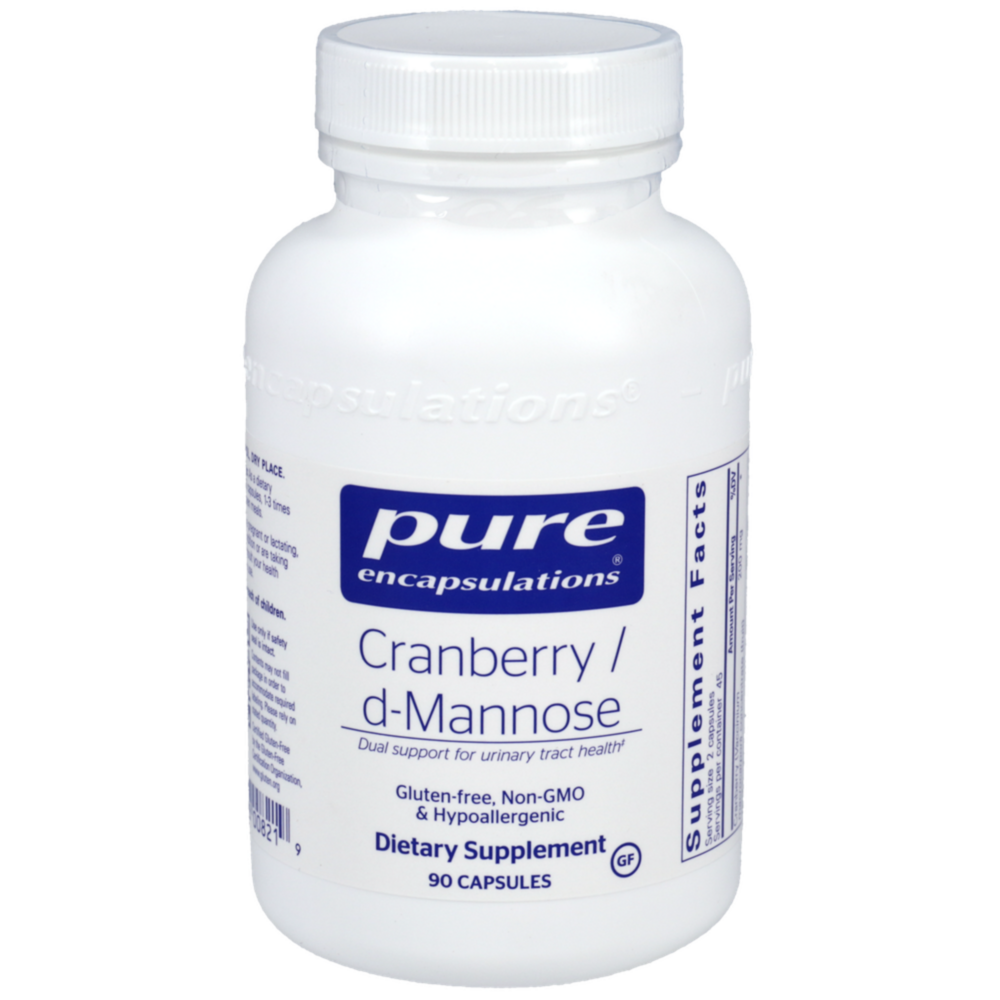
Cranberry/D-Mannose
Pure Encapsulations
90 capsules
$59.00$46.99 with Subscribe & Save
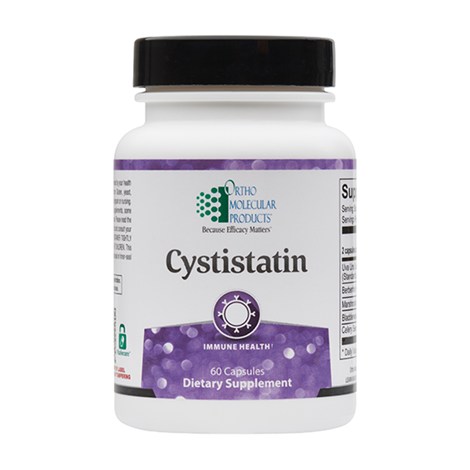
Cystistatin
Ortho Molecular Products
60 capsules
$69.21$62.35 with Subscribe & Save
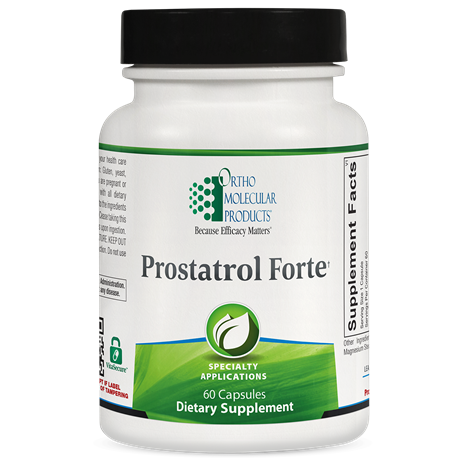
Prostatrol Forte
Ortho Molecular Products
60 capsules
$69.21$62.35 with Subscribe & Save