 Instalab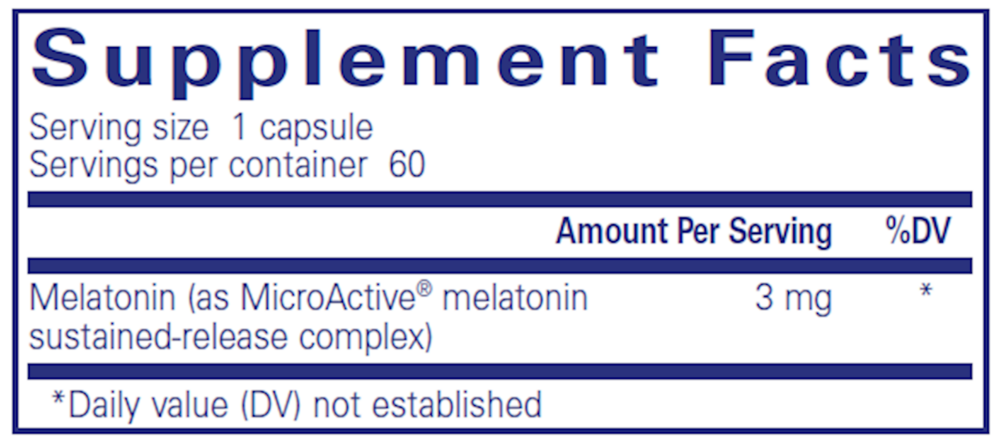


Pure Encapsulations
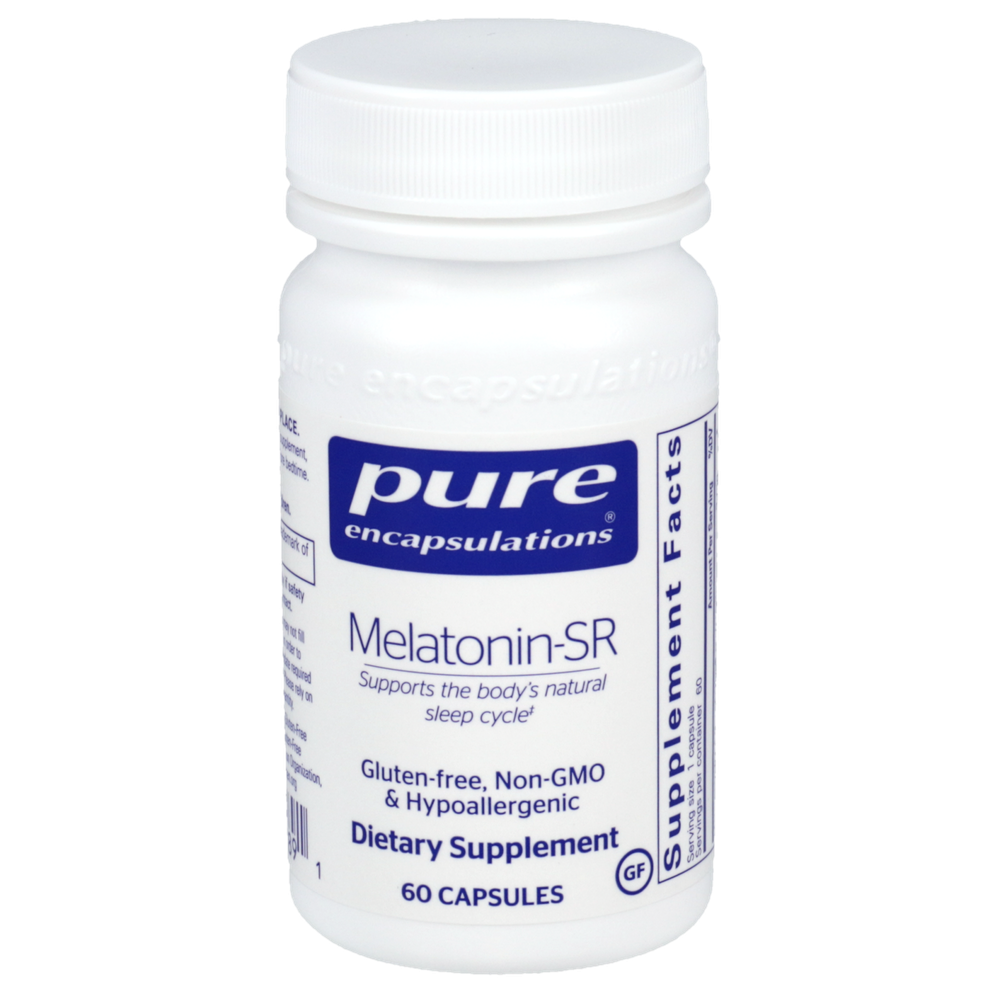
Melatonin-SR 3 mg by Pure Encapsulations
60 capsules · 60-day supply
Sustained-Release Melatonin for Restful Sleep and Relaxation$19.50
Purchase options
Practitioner-grade brand3rd-party testedFree shipping $50+
Vegan·Vegetarian·Gluten Free
Pure Encapsulations Melatonin-SR overview
If you fall asleep fine but wake at 2–4 a.m., sustained release melatonin is the version built for you. It’s also useful for shift workers and eastbound travelers who want steadier overnight levels while adjusting their body clock. The 3 mg here is a moderate, sleep-maintenance dose; if your issue is mainly trouble falling asleep, lower immediate-release melatonin often works with fewer next‑day effects. It won’t fix insomnia caused by late caffeine, alcohol, or screens close to bedtime.
Melatonin is the hormone your brain makes at night to signal darkness to the suprachiasmatic nucleus (the body’s central clock). Regular tablets spike and fade in 60–90 minutes, which helps sleep onset but can wear off by midnight. A sustained release melatonin, like Pure Encapsulations Melatonin‑SR using MicroActive melatonin, releases gradually for about six hours. That steadier curve supports staying asleep and nudges circadian timing without acting like a sedative, so it won’t override stimulating habits.
Take one capsule 30–60 minutes before your intended bedtime, then keep lights dim and avoid screens so the signal isn’t canceled by blue light. Most people notice an effect the first night, with more consistent sleep maintenance within 3–7 days. For jet lag, use at local bedtime starting the night you land; for planned eastward travel, consider starting 1–2 nights before. If you wake groggy, move the dose earlier, dim lights sooner, or consider a lower dose or immediate‑release melatonin.
Skip melatonin with blood thinners like warfarin or apixaban unless your clinician agrees, as there are case reports of increased bruising. Fluvoxamine and ciprofloxacin can raise melatonin levels, while smoking lowers them; oral contraceptives can raise levels. Avoid taking it with alcohol or other nighttime sedatives. Pregnancy and breastfeeding: data are limited, so avoid unless prescribed. If you have uncontrolled depression, severe sleep apnea, or active autoimmune disease, discuss melatonin with your clinician before using it regularly.
Will it make me groggy? Sustained release melatonin can, especially if your bedtime is late or lights are bright—shifting the dose earlier usually helps. How long until it works? Many notice benefit the first night, but give it up to a week of consistent timing. Is it habit‑forming? No physical dependence forms, though inconsistent use can shift your sleep timing in confusing ways.
Frequently asked questions
Is sustained release melatonin better for staying asleep?
Yes. Immediate-release helps you fall asleep, but it fades in about 1–2 hours. Sustained release melatonin delivers a slower 6‑hour curve that better covers the second half of the night and can reduce 2–4 a.m. awakenings.
What melatonin dose should I start with?
For sleep maintenance, 2–3 mg sustained release is a common starting point. If your main issue is sleep onset, start lower (0.3–1 mg immediate‑release). Use the lowest dose that works and adjust over a week based on next‑day alertness.
How long does melatonin take to work?
You should feel an effect the first night if you time it 30–60 minutes before bed and keep lights dim. More stable sleep patterns usually appear within 3–7 nights of consistent use and a fixed wake time.
Can I take melatonin with alcohol or sleep meds?
Avoid combining melatonin with alcohol, which fragments sleep, and be cautious with prescription sedatives; the combination can cause excess drowsiness and impaired coordination. Discuss with your prescriber if you already use a sleep medication.
Does melatonin interact with antidepressants?
Some do. Fluvoxamine can markedly raise melatonin levels, increasing side effects. Other antidepressants are usually compatible but can alter sleep architecture. If you’re on any antidepressant, clear melatonin with your prescriber first.
Will melatonin help with jet lag?
Yes, especially for eastward travel. Take it at local bedtime for several nights after arrival. For long eastward trips, starting 1–2 nights before departure can make the first few nights easier. Keep evening light exposure low.
What are common melatonin side effects?
Next‑day grogginess, vivid dreams, and headache are the most common. Taking it too late, using bright screens, or using a higher dose than needed make side effects more likely. Reducing dose or moving it earlier usually fixes this.
How to take it & ingredients
Suggested use: Take 1 capsule 30–60 minutes before bedtime.
Active ingredients
1 capsule per serving · 60 servings
Melatonin
MicroActive® melatonin sustained-release complex
MicroActive® melatonin sustained-release complex
3 mg
Other ingredients: Hydroxypropyl methyl cellulose, Sodium alginate, Microcrystalline cellulose, Carnauba wax, Vegetarian capsule (cellulose, water), Hypoallergenic plant fiber (cellulose)
Certifications
Benefits
Warnings