 Instalab

Pure Encapsulations
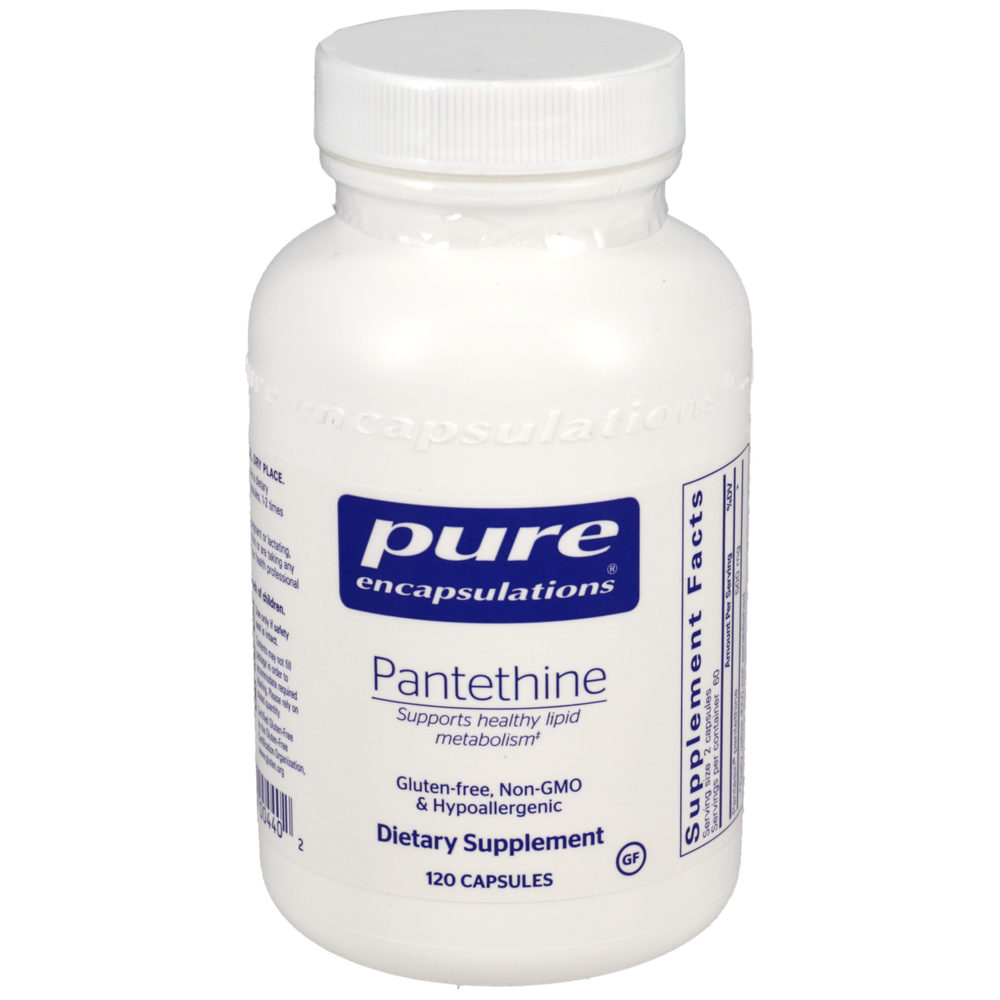
Pantethine 500 mg by Pure Encapsulations
120 capsules · 60-day supply
Active Vitamin B5 Derivative for Healthy Lipid Metabolism$114.99
Purchase options
Practitioner-grade brand3rd-party testedFree shipping $50+
Gluten Free
Pure Encapsulations Pantethine overview
Pantethine suits adults who are working on their lipid numbers through diet and exercise and want nutritional support for healthy lipid metabolism alongside that effort. The markers to watch are Triglycerides, LDL Cholesterol, HDL Cholesterol and ApoB. Take a baseline before you start so you can tell whether it is doing anything for you. It is not a substitute for a statin or any other lipid medicine your clinician has prescribed.
Pantethine is a derivative of vitamin B5 (pantothenic acid): two molecules of pantetheine joined together. The body uses it to build coenzyme A, which sits at the center of how cells burn and assemble fats. Pantethine is a step closer to coenzyme A than ordinary pantothenic acid, and plain vitamin B5 has not shown the same effect on lipid markers in studies. This product uses Pantesin, a branded pantethine.
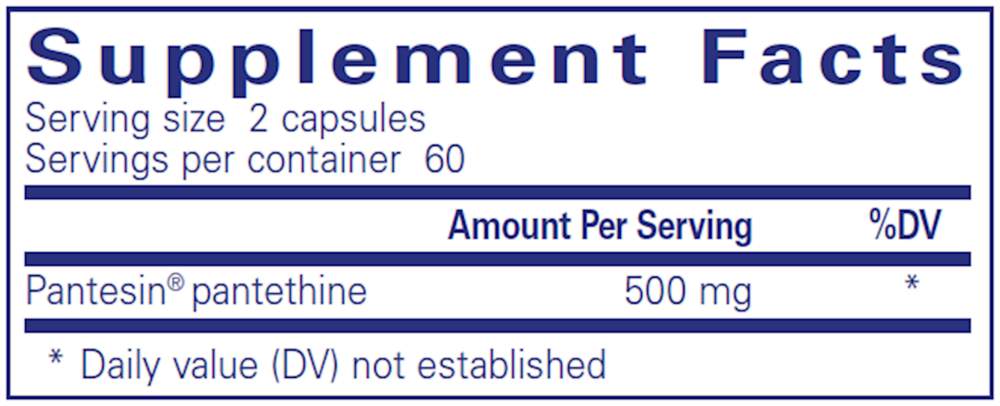
Each serving of 2 capsules provides 500 mg of pantethine. Taking it with a meal tends to be easier on the stomach. Follow the directions on the bottle or your clinician's advice for how often to take it; being consistent matters more than the time of day.
Pantethine is generally well tolerated. The usual complaints are mild: nausea, loose stools or heartburn. Do not stop or reduce a prescribed lipid medicine because you have started it. Reference monographs list a possible mild effect on blood clotting, so if you take a blood thinner, have a bleeding disorder or have surgery planned, ask your clinician first. Safety in pregnancy and nursing has not been established; check with your clinician before use, as you should if you have a health condition or take prescription medicines.
Lipid markers move slowly. Studies of pantethine have generally run 8–16 weeks, so recheck Triglycerides, LDL Cholesterol and ApoB after about three months, not sooner. Expect a modest shift at best: the trials are small, results vary, and pantethine does less than prescription lipid medicines. If your numbers have not moved by then, there is little reason to continue. Unlike niacin, the other B vitamin used for lipids, pantethine does not cause flushing.
Frequently asked questions
What is pantethine?
Pantethine is a derivative of vitamin B5 (pantothenic acid) made of two pantetheine molecules. The body converts it to coenzyme A, which is central to fat metabolism. This product provides 500 mg of Pantesin pantethine per 2-capsule serving.
Is pantethine the same as vitamin B5?
No. Pantethine is made from pantothenic acid but sits closer to coenzyme A in the body's pathway. The lipid research was done with pantethine; ordinary pantothenic acid has not shown the same effect, so the two are not interchangeable for this purpose.
How much pantethine is in a serving?
One serving is 2 capsules, which together provide 500 mg of pantethine as Pantesin. The 60-capsule bottle holds 30 servings and the 120-capsule bottle holds 60 servings.
How long does pantethine take to work?
Give it about three months. Lipid markers change slowly, and studies of pantethine have generally run 8–16 weeks. Check Triglycerides, LDL Cholesterol and ApoB before you start and again at that point. If nothing has moved, it is reasonable to stop.
Can I take pantethine with a statin?
Tell the clinician who prescribes your statin before you add it, so your lipid results are read correctly. Pantethine is not a replacement for a statin or any prescribed lipid medicine, and you should not lower or stop a prescription because you started it.
What are the side effects of pantethine?
It is usually well tolerated. The complaints reported most often are mild: nausea, loose stools, heartburn or stomach discomfort. Taking it with food helps. Stop and speak with your clinician if you notice unusual bruising or bleeding.
Does pantethine cause flushing like niacin?
No. Flushing is a niacin effect, and pantethine does not cause it. The two are different B-vitamin compounds that act on lipid metabolism in different ways, and the effect of pantethine on lipid markers is generally the more modest of the two.
Who should not take pantethine?
Check with your clinician first if you are pregnant or nursing, take a blood thinner, have a bleeding disorder or have surgery scheduled. Anyone on prescription medicine for cholesterol or triglycerides should add it only with their prescriber's knowledge.
How to take it & ingredients
Suggested use: Take 2 capsules daily, or as directed by your health professional.
Active ingredients
2 capsules per serving · 60 servings
Pantethine
Pantesin® pantethine
Pantesin® pantethine
500 mg
Other ingredients: Silica, Hypoallergenic plant fiber (cellulose), Vegetarian capsule (cellulose, water)
Certifications
Benefits
Warnings
Customers also considered
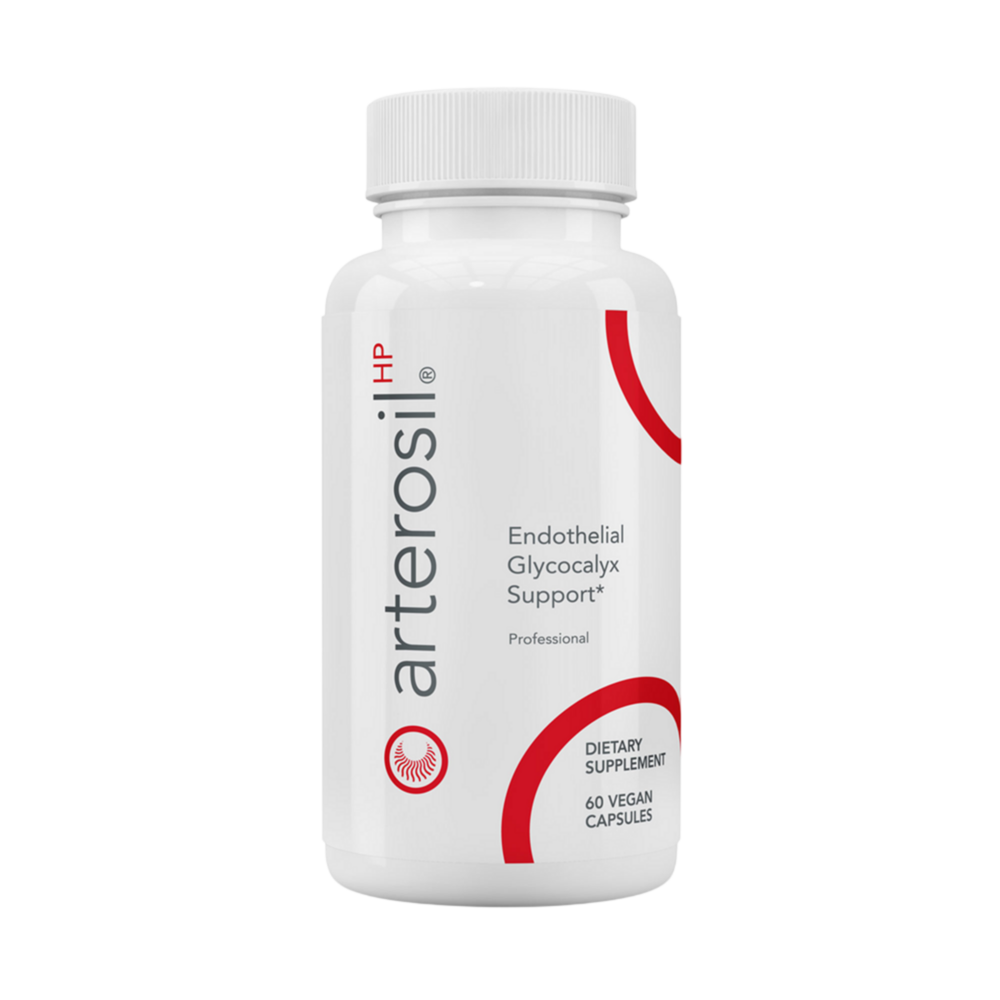
Arterosil HP
Calroy Health Sciences
60 capsules
$99.99$79.99 with Subscribe & Save
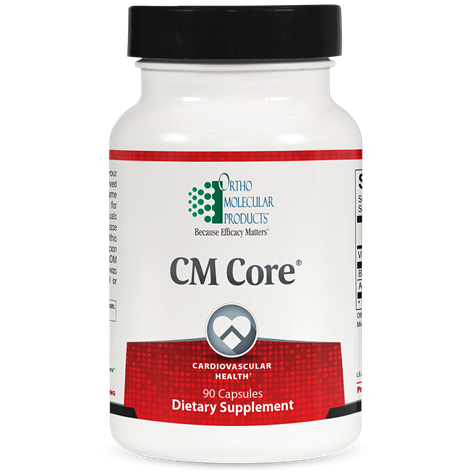
CM Core
Ortho Molecular Products
90 capsules
$70.32$63.35 with Subscribe & Save
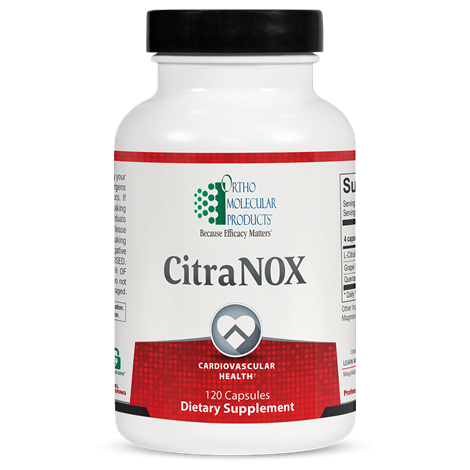
CitraNOX
Ortho Molecular Products
120 capsules
$70.32$63.35 with Subscribe & Save
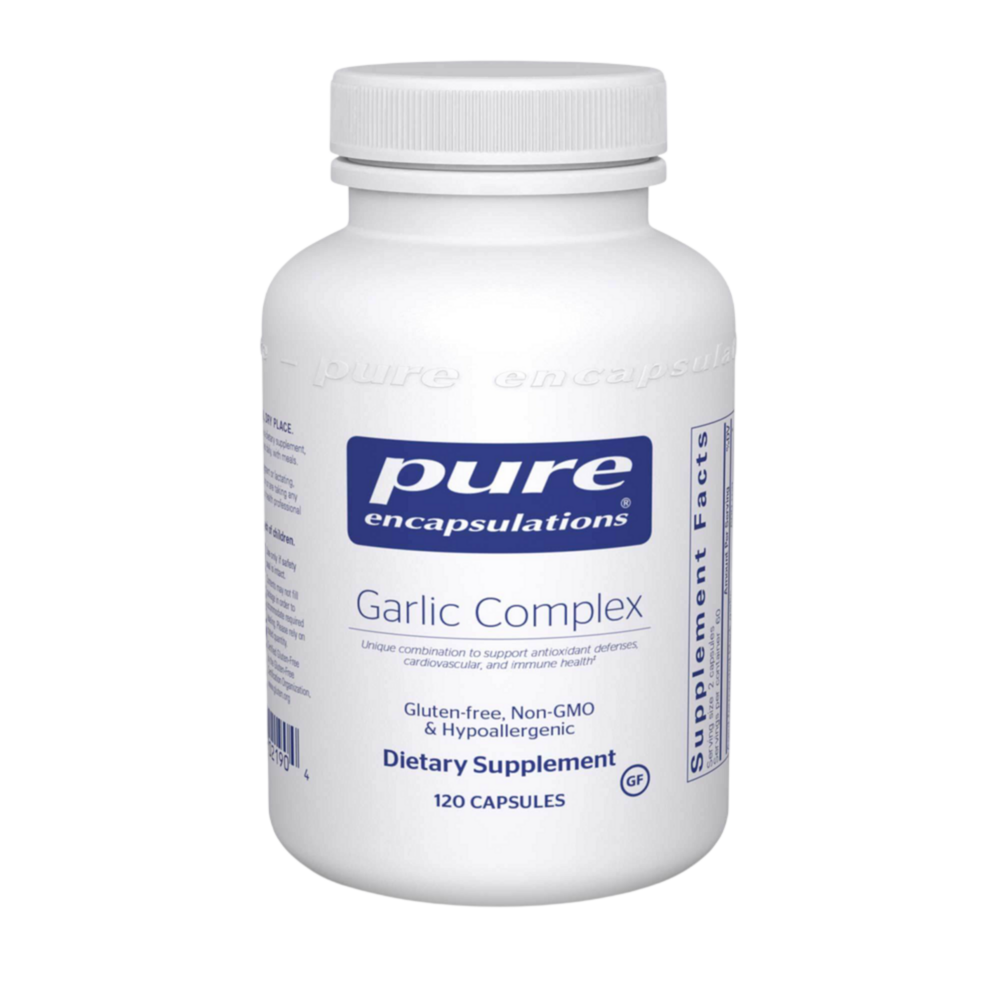
Garlic Complex
Pure Encapsulations
120 capsules
$59.50$47.99 with Subscribe & Save