 Instalab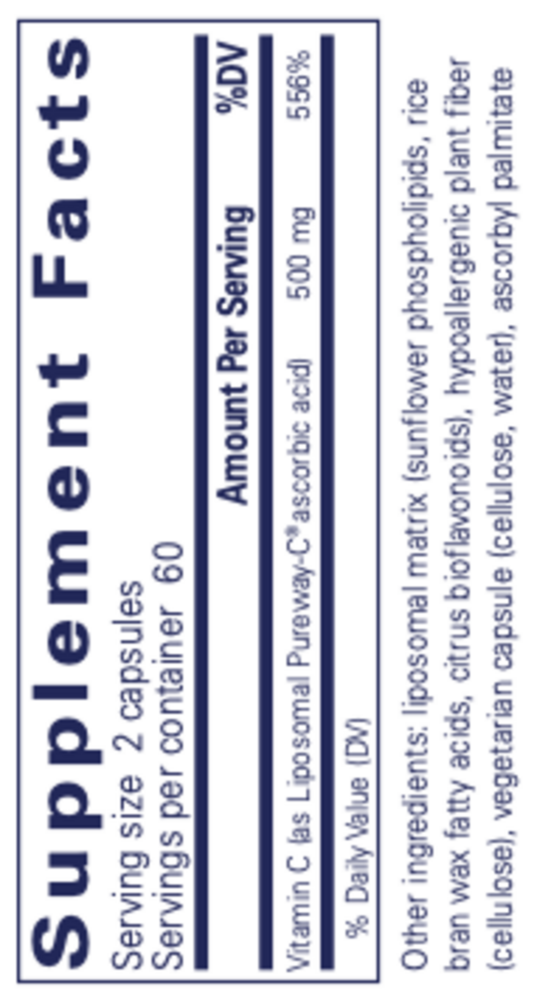
Pure Encapsulations
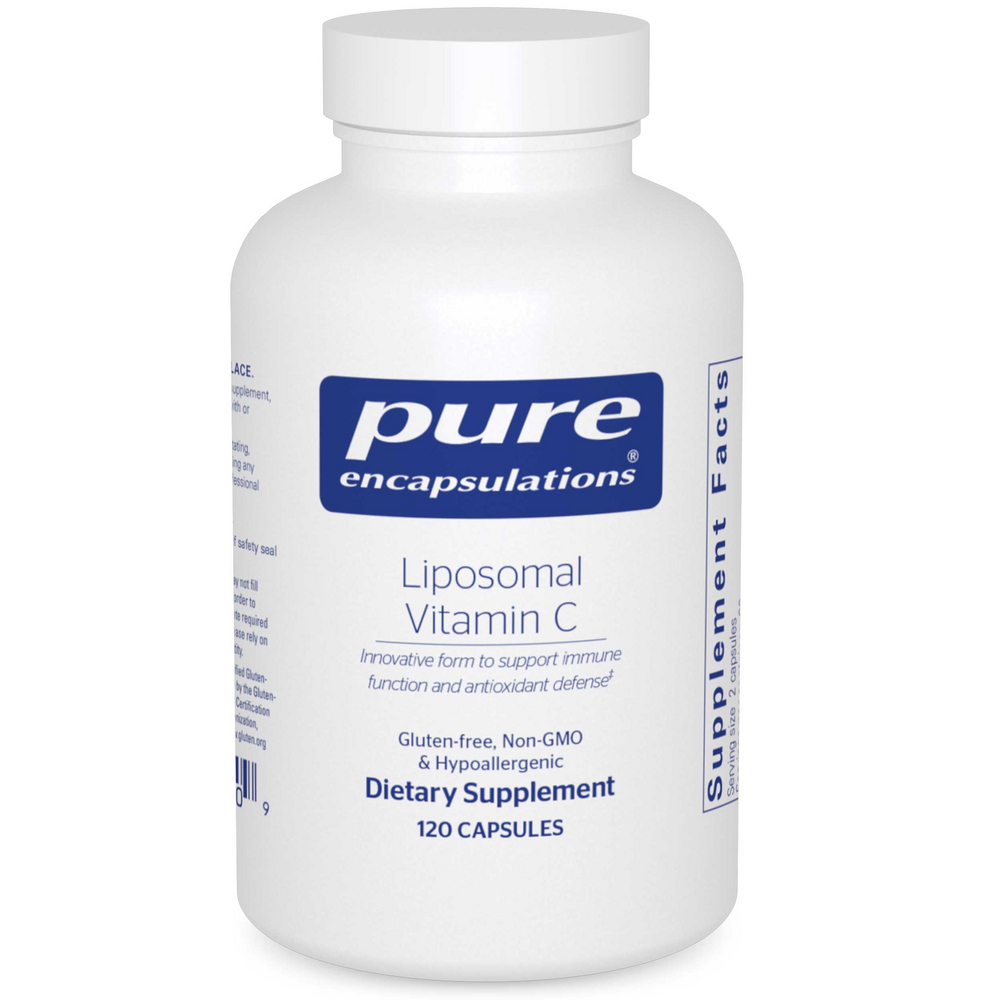
Liposomal Vitamin C 500 mg by Pure Encapsulations
120 capsules · 60-day supply
Enhanced Absorption Vitamin C for Immune and Antioxidant Support$36.00
Purchase options
Practitioner-grade brand3rd-party testedFree shipping $50+
Gluten Free
Pure Encapsulations Liposomal Vitamin C overview
If you get few fruits and vegetables, smoke or vape, or train hard, liposomal vitamin C helps cover higher needs without stomach upset. It’s useful when your Vitamin C, plasma is low, during wound or post-procedure healing, and for skin goals because collagen needs vitamin C to form. People with frequent respiratory exposures sometimes take it daily; it doesn’t prevent colds, but consistent use modestly shortens duration. If your Ferritin is low from poor iron absorption, pairing vitamin C with plant iron is practical.
Ascorbic acid is an antioxidant that regenerates vitamin E in cell membranes and helps enzymes build collagen, which is why skin and tendons depend on it. It also supports white blood cell function and makes norepinephrine (a brain chemical involved in focus and energy). The liposomal format packages vitamin C in phospholipids, which can improve absorption and gut tolerance compared with plain powder. PureWay-C includes lipid metabolites and citrus components; head-to-head gains over standard vitamin C are modest and not universal.
The label suggests 2 capsules, 1 to 2 times daily, with or between meals. Split doses work better than a large single dose because intestinal transport saturates. Start with one capsule and increase as tolerated if you’re sensitive to loose stools. Take it with plant-based iron if you’re trying to raise Ferritin, and away from calcium. For skin or tendon goals, expect steady use over 4 to 12 weeks before judging.
If you have a history of calcium oxalate kidney stones, keep total vitamin C intake conservative and discuss testing urine oxalate. With hemochromatosis or high iron labs, avoid combining vitamin C with iron, since it increases absorption of non-heme iron (the form in plants and many supplements). Advanced kidney disease warrants lower doses. High doses can interfere with some finger-stick glucose meters, so use lab draws for accuracy. On active chemotherapy, coordinate antioxidant timing with your oncology team.
Frequently asked questions
Is liposomal vitamin C better absorbed than regular vitamin C?
It’s often gentler on the stomach and can raise blood levels with fewer GI side effects for some people. Head-to-head advantages over standard ascorbic acid are modest and vary by study, so choose it mainly for tolerance and steady dosing.
Can vitamin C prevent colds?
No. In most people it doesn’t prevent colds. Taken daily, it can shorten illness slightly and reduce symptom severity. Loading up at the first sneeze hasn’t been reliable in trials. If you’re frequently exposed, steady daily dosing matters more.
When should I take vitamin C for best absorption?
Split doses during the day improve absorption over one large dose. You can take it with or between meals. If you’re using it to enhance plant iron absorption, take it with the iron and away from calcium-rich foods or supplements.
How long until vitamin C works for skin or healing?
Collagen-related changes are gradual. Give it 4 to 12 weeks of daily use for skin texture or tendon support, along with adequate protein. For immune support, benefits depend on consistent daily intake rather than single high doses.
What side effects should I watch for with vitamin C?
The most common is loose stools at higher intakes; reduce the dose or split it. People with a history of calcium oxalate kidney stones should be cautious with high intakes. Rarely, heartburn occurs; taking with food often fixes it.
Does vitamin C interact with medications?
It can enhance iron absorption, which matters if you have high iron. Very high doses can skew some glucose meter readings. Interactions with chemotherapy are regimen-specific, so coordinate with oncology. No known issue with statins or thyroid meds when spaced.
Can I take vitamin C while pregnant or breastfeeding?
Yes at typical dietary-supplement doses, but mega-doses aren’t needed. Most prenatal vitamins already include vitamin C. If you’re adding more, keep amounts moderate and discuss with your clinician if you also take iron.
Does vitamin C lower uric acid or help gout?
Small reductions in uric acid are reported with daily use, but the effect is mild and not a gout treatment. If gout is your primary concern, focus on uric acid labs and prescribed therapy, with vitamin C as an optional adjunct.
How to take it & ingredients
Suggested use: As a dietary supplement, take 2 capsules, 1 to 2 times daily, with or between meals.
Active ingredients
2 capsules per serving · 60 servings
Vitamin C
Liposomal Pureway C ascorbic acid
Liposomal Pureway C ascorbic acid
500 mg
Other ingredients: sunflower phospholipids, rice bran wax fatty acids, citrus bioflavonoids, hypoallergenic plant fiber (cellulose), vegetarian capsule (cellulose, water), ascorbyl palmitate
Certifications
Benefits
Warnings
Customers also considered
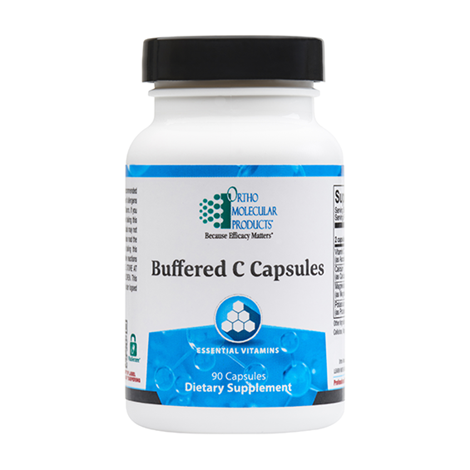
Buffered C Capsules
Ortho Molecular Products
90 capsules
$36.57$32.95 with Subscribe & Save
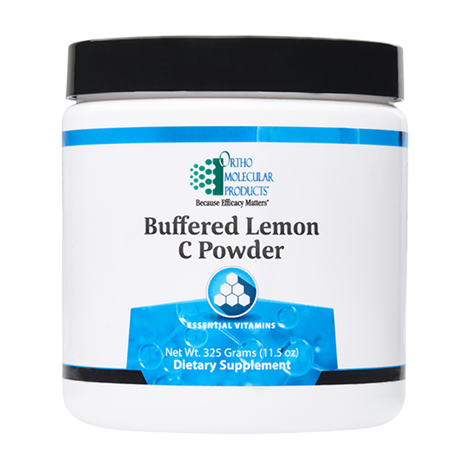
Buffered Lemon C Powder
Ortho Molecular Products
325 grams
$63.99$57.65 with Subscribe & Save
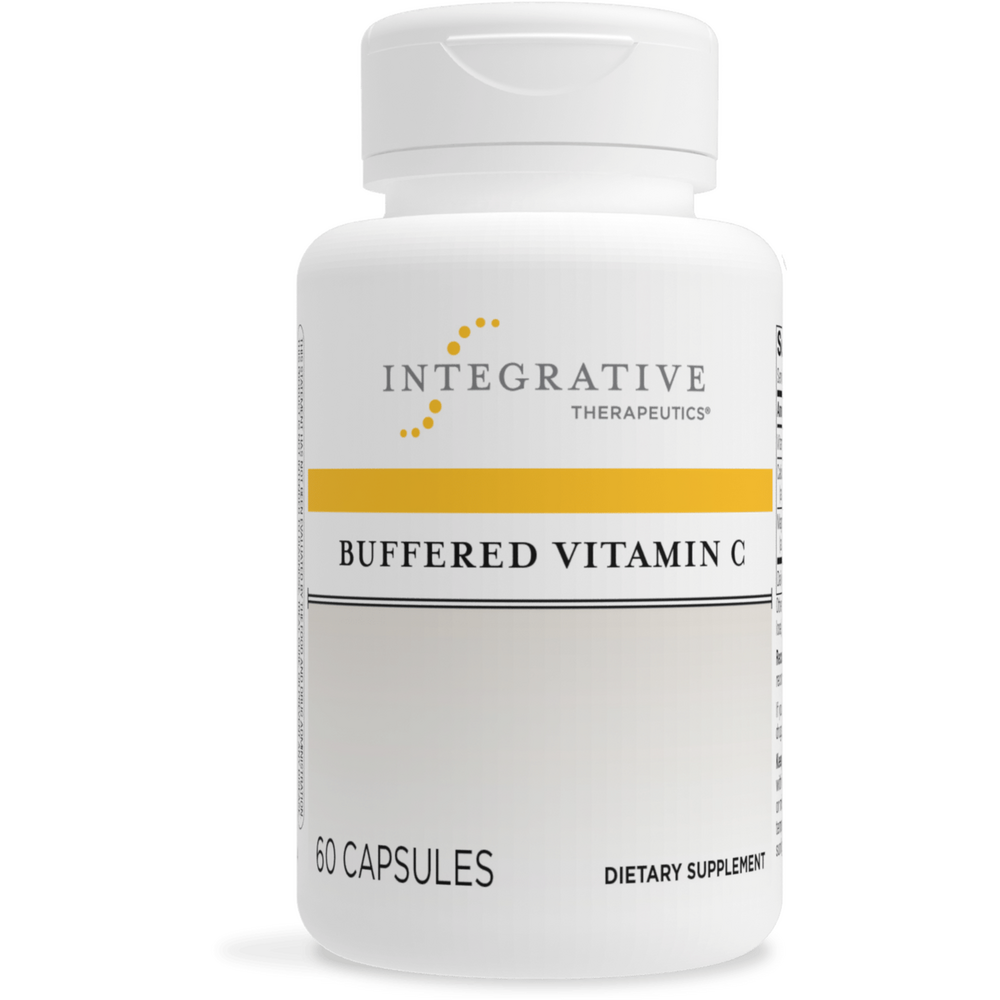
Buffered Vitamin C
Integrative Therapeutics
60 capsules
$15.99$12.99 with Subscribe & Save
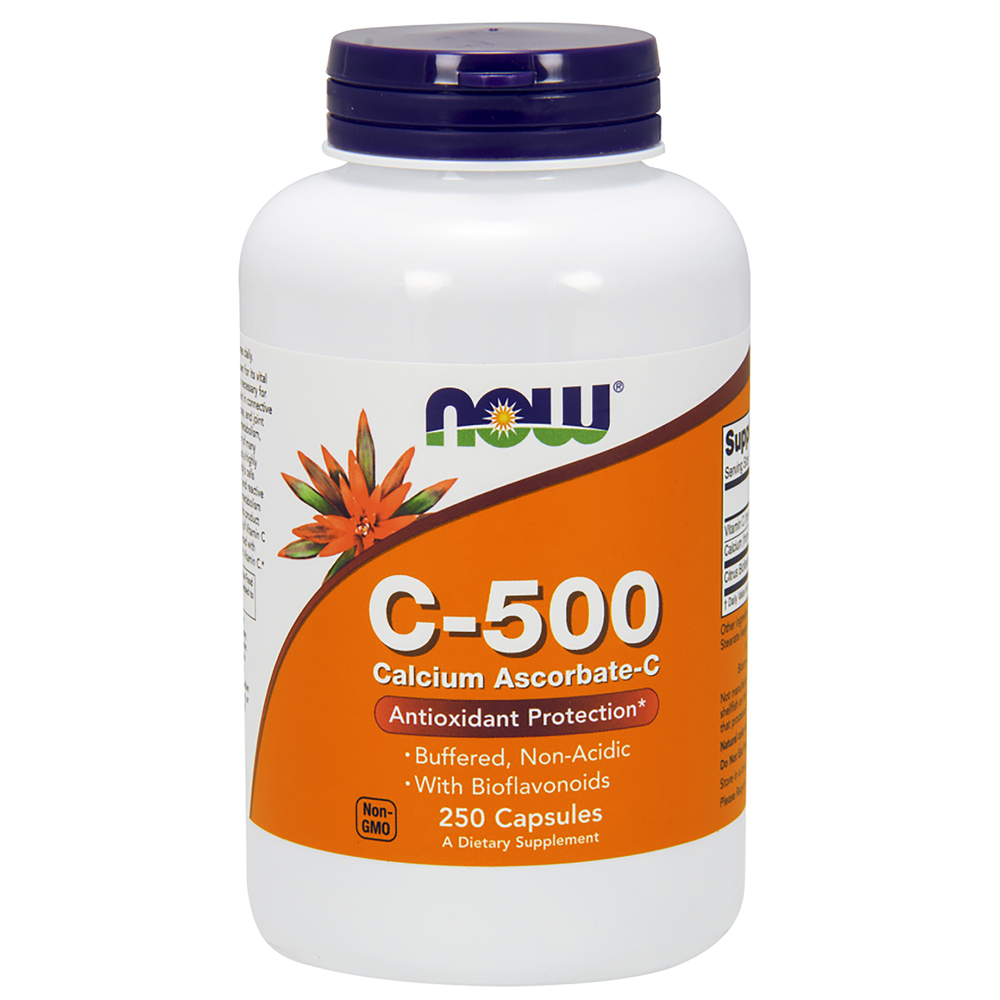
C-500 Calcium Ascorbate-C
Now Foods
250 capsules
$24.99$19.99 with Subscribe & Save