 Instalab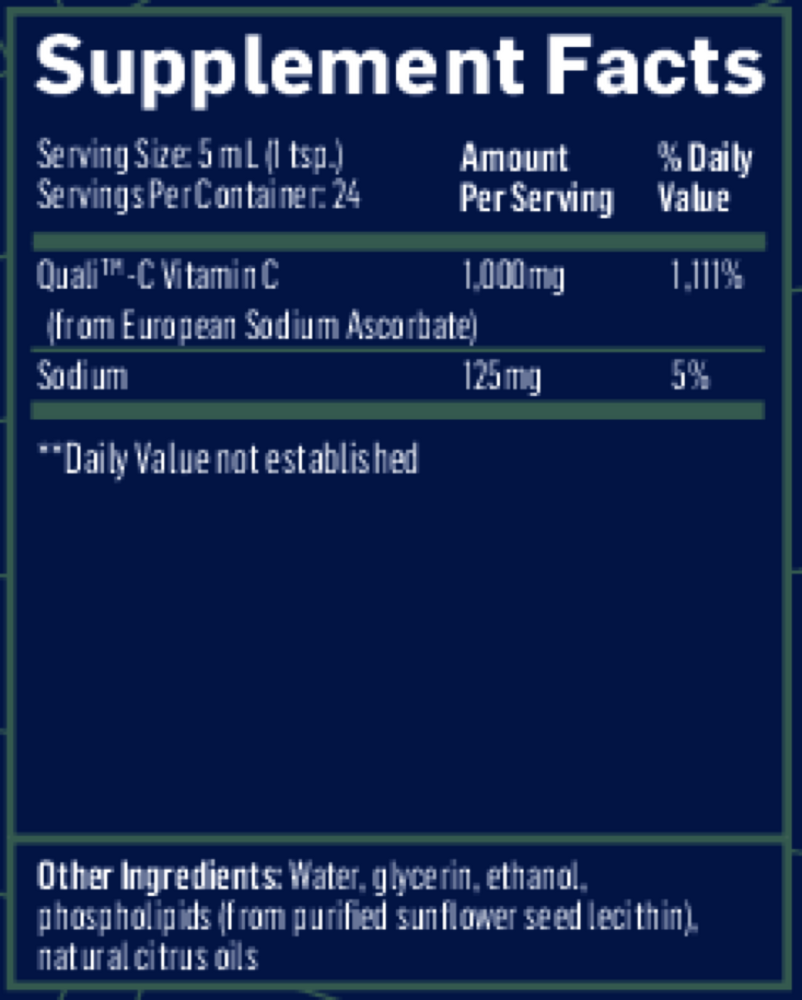
Quicksilver Scientific
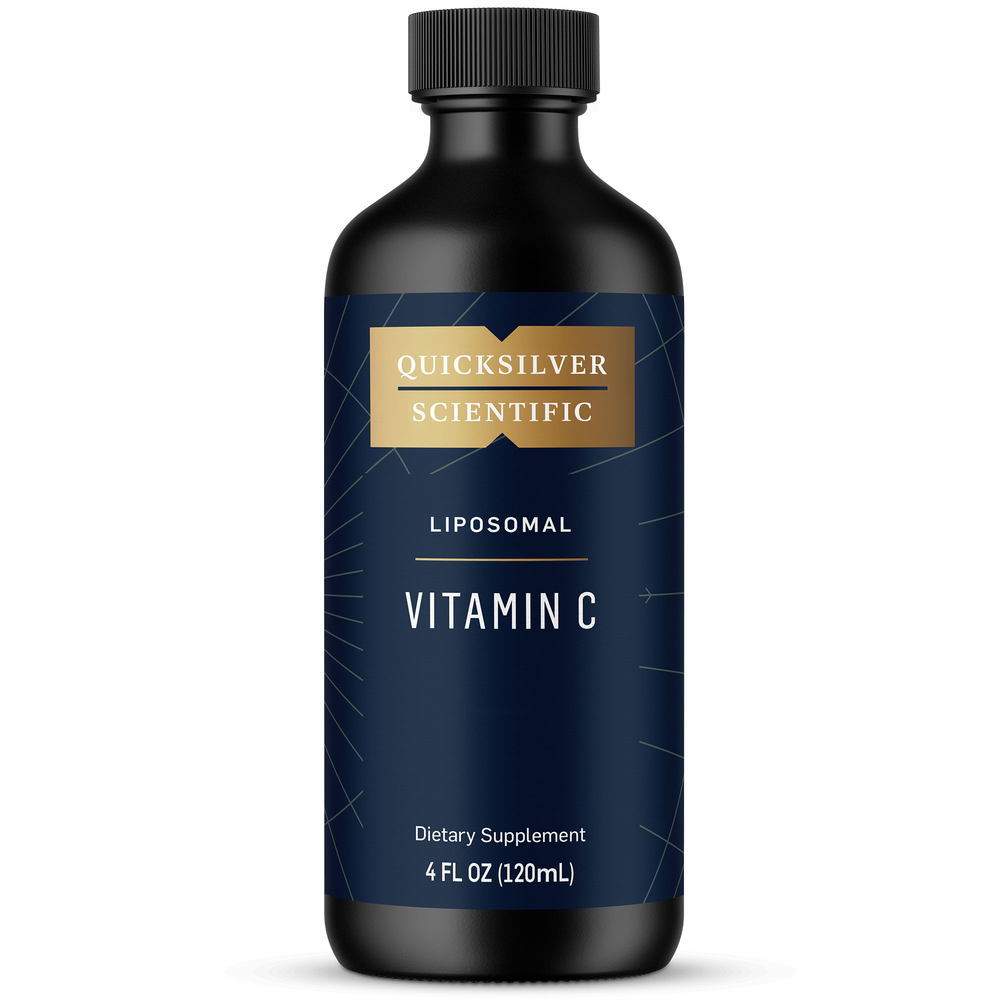
Liposomal Vitamin C by Quicksilver Scientific
120 milliliters · 24-day supply
Enhanced Absorption Vitamin C for Immune and Antioxidant Support$33.99
This item is currently out of stockGet notified when this item is back in stock
Practitioner-grade brand3rd-party testedFree shipping $50+
Vegan·Gluten Free
Quicksilver Scientific Liposomal Vitamin C overview
If you struggle with fruit-and-vegetable intake, train hard, or your plasma vitamin C has tested low, liposomal vitamin C is a practical way to replete without stomach upset. Smokers and secondhand smoke–exposed adults burn through vitamin C faster. It also pairs well with oral iron when Ferritin (your iron storage marker) is low, since vitamin C improves iron absorption. For skin or post-procedure collagen needs, steady daily dosing is more useful than occasional megadoses.
This formula uses sodium ascorbate (a buffered form of vitamin C) inside tiny lipid spheres called liposomes that enhance absorption through the mouth and gut. Vitamin C donates electrons to neutralize free radicals, regenerates vitamin E, and is required for collagen cross-linking, which shows up in skin, tendons, and wound healing. It also supports immune cell function and modestly lowers histamine (a signaling molecule behind congestion) during infections, though it won’t prevent colds outright.
Each teaspoon provides 1,000 mg. Follow the label: take it by mouth, hold for 30 seconds, then swallow on an empty stomach at least 10 minutes before meals. Most adults use 500–1,000 mg once or twice daily; during acute stress or travel, some split into 2–3 doses. If you’re taking iron for low Ferritin, take them together. Loose stools or gas usually mean you’ve exceeded your personal tolerance—reduce the dose.
If you have a history of calcium oxalate kidney stones, advanced kidney disease, or iron overload conditions (like hemochromatosis), avoid high-dose vitamin C unless your clinician is monitoring labs such as Ferritin and creatinine. High intakes can skew some home glucose meters and fecal occult blood tests; time your dose away from testing days. Oncology patients should clear any antioxidant, including vitamin C, with their care team. Each teaspoon contains 125 mg sodium, relevant if you’re on a strict low-sodium diet.
Frequently asked questions
What is liposomal vitamin C and is it better absorbed?
Yes. Liposomal vitamin C encloses vitamin C in tiny fat-like spheres that improve uptake through the mouth and gut, often with fewer GI side effects than standard tablets. It’s useful if you don’t tolerate regular ascorbic acid or want reliable absorption at higher doses.
How long does vitamin C take to work?
Blood levels rise within hours and stabilize over 1–2 weeks of daily use. For skin and collagen-related goals, think in weeks. For immune support during a cold, split doses over the first 2–3 days is the typical approach.
Can vitamin C prevent colds?
In the general population, it doesn’t prevent colds. It can slightly shorten duration or reduce symptom severity, especially in endurance athletes under heavy training. Use it for support, not as a shield against infection.
Is 1,000 mg of vitamin C a day safe?
For most healthy adults, 1,000 mg daily is well tolerated. The main side effects are loose stools or gas at higher intakes. If you have kidney stones, kidney disease, or iron overload, talk with your clinician before using high doses.
Does vitamin C help with iron absorption?
Yes. Vitamin C converts iron to a form that’s easier to absorb. If you’re treating low Ferritin, taking vitamin C with your iron supplement is common practice. If you have iron overload, avoid pairing them unless guided by a clinician.
When should I take liposomal vitamin C?
Take it on an empty stomach, at least 10 minutes before meals, and hold it in your mouth for 30 seconds before swallowing. You can split the total into morning and mid-day doses for steadier levels.
Can vitamin C affect glucose monitors or lab tests?
High doses can interfere with some home glucose meters and may cause false negatives on fecal occult blood tests. Check your device manual and consider avoiding large doses on testing days.
How to take it & ingredients
Suggested use: Take 1 teaspoon by mouth. Hold in mouth 30 seconds before swallowing. Repeat to desired dosage or as directed by a healthcare professional. Take on an empty stomach at least 10 minutes before meals.
Active ingredients
1 teaspoon = 5 mL per serving · 24 servings
Vitamin C
Quali-C (from European Sodium Ascorbate)
Quali-C (from European Sodium Ascorbate)
1000 mg
Sodium
125 mg
Other ingredients: Water, Glycerin, Ethanol, Phospholipids (from purified sunflower seed lecithin), Natural Citrus Oils
Certifications
Benefits
Warnings
Customers also considered
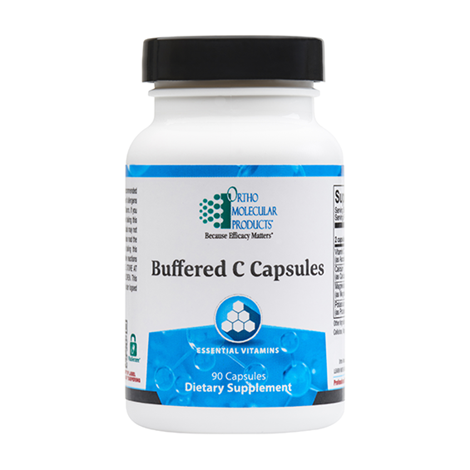
Buffered C Capsules
Ortho Molecular Products
90 capsules
$36.57$32.95 with Subscribe & Save
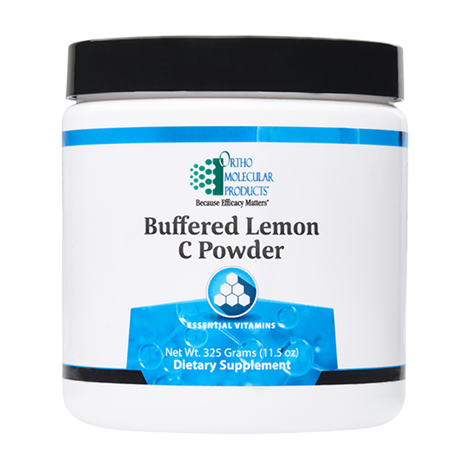
Buffered Lemon C Powder
Ortho Molecular Products
325 grams
$63.99$57.65 with Subscribe & Save
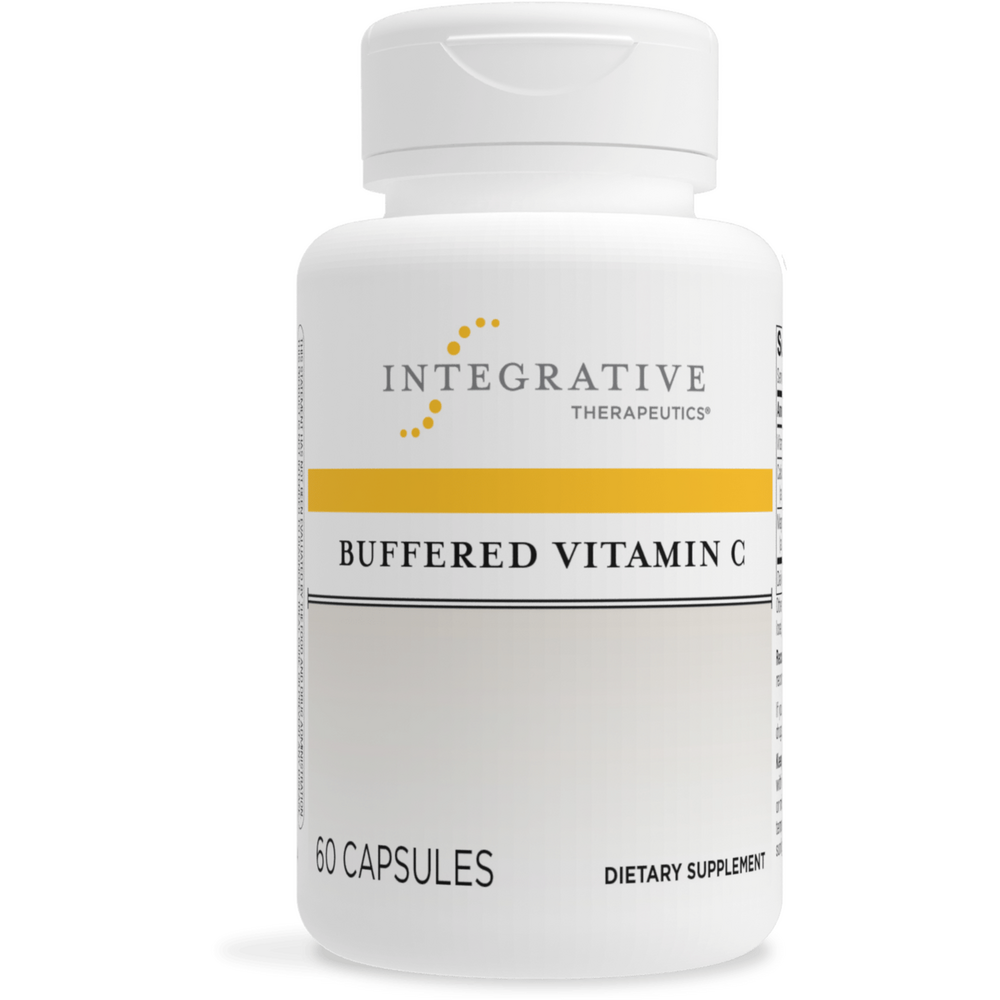
Buffered Vitamin C
Integrative Therapeutics
60 capsules
$15.99$12.99 with Subscribe & Save
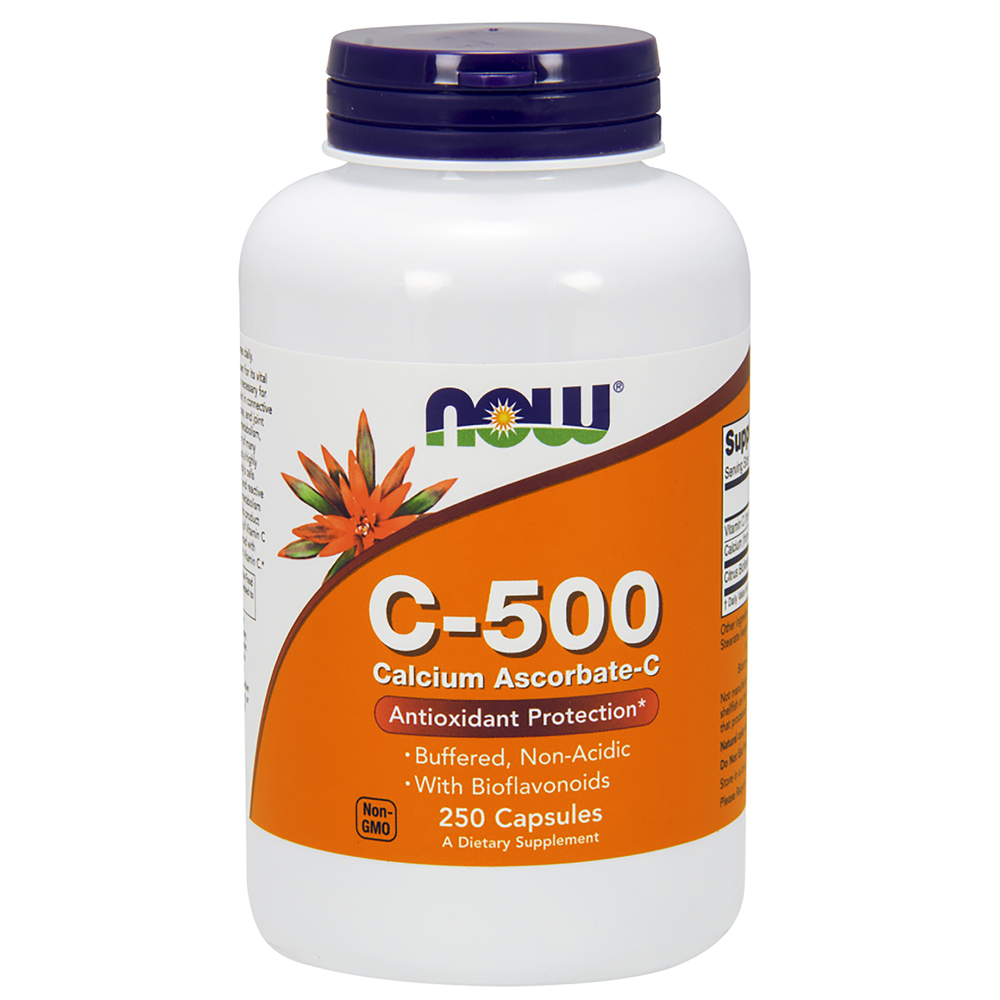
C-500 Calcium Ascorbate-C
Now Foods
250 capsules
$24.99$19.99 with Subscribe & Save