
 Instalab

Real Mushrooms
Turkey Tail Mushroom Extract Capsules 1000 mg by Real Mushrooms
90 capsules · 45-day supply
Organic Turkey Tail Extract With Beta-Glucans for Immune Support$39.99
Purchase options
Practitioner-grade brand3rd-party testedFree shipping $50+
Real Mushrooms Turkey Tail Mushroom Extract Capsules overview
Turkey tail fits adults who want a daily mushroom extract for general immune support and who care about knowing what is in it: this one states its beta-glucan content on the label. It is a supplement for everyday wellness. People often search for turkey tail in connection with cancer care; this product is not a substitute for medical care, and anyone in cancer treatment should clear it with their oncology team before taking it.
Turkey tail (Trametes versicolor) is a bracket fungus that grows on dead hardwood, named for its banded, fan-shaped caps. Its main active compounds are beta-glucans, polysaccharides from the mushroom's cell wall that people do not digest. In the gut they are recognized by receptors on immune cells, the proposed route for their effect on immune function, and they are fermented by gut bacteria. An extract concentrates these compounds beyond what dried, ground mushroom provides.
A serving is 2 capsules, which provide 1,000 mg of organic turkey tail mushroom extract containing 300 mg of beta-(1,3)(1,6)-glucans. Take them with water at any time of day, with or without food; with a meal if mushrooms tend to unsettle your stomach. Daily use is the usual pattern, since any effect of beta-glucans depends on regular intake.
Turkey tail is well tolerated by most people; mild gas, bloating or loose stools are the usual complaints. Do not take it if you are allergic to mushrooms or molds. Because it acts on the immune system, check with your clinician first if you take immunosuppressant medicines, have had an organ transplant or have an autoimmune condition, and with your oncologist if you are having chemotherapy or immunotherapy. It has not been studied in pregnancy or nursing, so check with your clinician before use.
Do not expect to feel an immediate effect. Immune support is not something you notice day to day, so judge it over two to three months of regular use. The human research on turkey tail is real but narrow: most of it involves specific purified fractions (PSK and PSP) given alongside conventional care in Asia, and those results cannot be assumed for a general extract. If you would sooner skip capsules, Real Mushrooms also sells a turkey tail extract powder to stir into drinks.
Frequently asked questions
What is turkey tail mushroom?
Turkey tail (Trametes versicolor) is a common bracket fungus with banded, fan-shaped caps, long used as a tea in East Asia. Its best-studied compounds are beta-glucans, polysaccharides that interact with immune cells in the gut.
How much beta-glucan is in these capsules?
Each serving of 2 capsules provides 1,000 mg of organic turkey tail mushroom extract, of which 300 mg is beta-(1,3)(1,6)-glucans, as listed on the Supplement Facts panel. The bottle holds 90 capsules.
How do I take turkey tail capsules?
A serving is 2 capsules. Take them with water, with or without food, at whatever time of day you will remember. A meal can help if mushrooms tend to unsettle your stomach. Follow your clinician's advice if it differs.
How long does turkey tail take to work?
There is no effect you will feel right away. Beta-glucans act through regular contact with immune cells in the gut, so judge it over two to three months of daily use instead of days, and stop if you see no reason to continue.
Can I take turkey tail during cancer treatment?
Ask your oncology team first. Some purified turkey tail fractions are used alongside conventional care in parts of Asia, but that does not make an over-the-counter extract right for you, and it could interact with your regimen. Never use it in place of prescribed care.
Does turkey tail have side effects?
Most people tolerate it well. The usual complaints are mild digestive ones such as gas, bloating or loose stools. Stop and seek care if you develop a rash, itching or trouble breathing, and avoid it if you are allergic to mushrooms or molds.
Who should not take turkey tail?
Check with your clinician before use if you take immunosuppressants, have had a transplant, have an autoimmune condition, or are pregnant or nursing. Anyone with a mushroom or mold allergy should avoid it.
What are the other ingredients in the capsules?
The label lists hypromellose (the vegetable capsule), microcrystalline cellulose as a flow agent, silicon dioxide and stearic acid. If you prefer to avoid capsule ingredients, the brand also sells a turkey tail extract powder.
How to take it & ingredients
Suggested use: Take 2 capsules daily, or as directed by your health professional.
Active ingredients
2 capsules per serving · 45 servings
▼
Organic Turkey Tail Mushroom Extract
Trametes versicolor
Trametes versicolor
1000 mg
Beta glucans
Beta-(1,3)(1,6)-glucans
Beta-(1,3)(1,6)-glucans
300 mg
Other ingredients: Hypromellose (vegetable capsule), Microcrystalline cellulose (flow agent), Silicon dioxide, Stearic acid
Certifications
Benefits
Warnings
Customers also considered
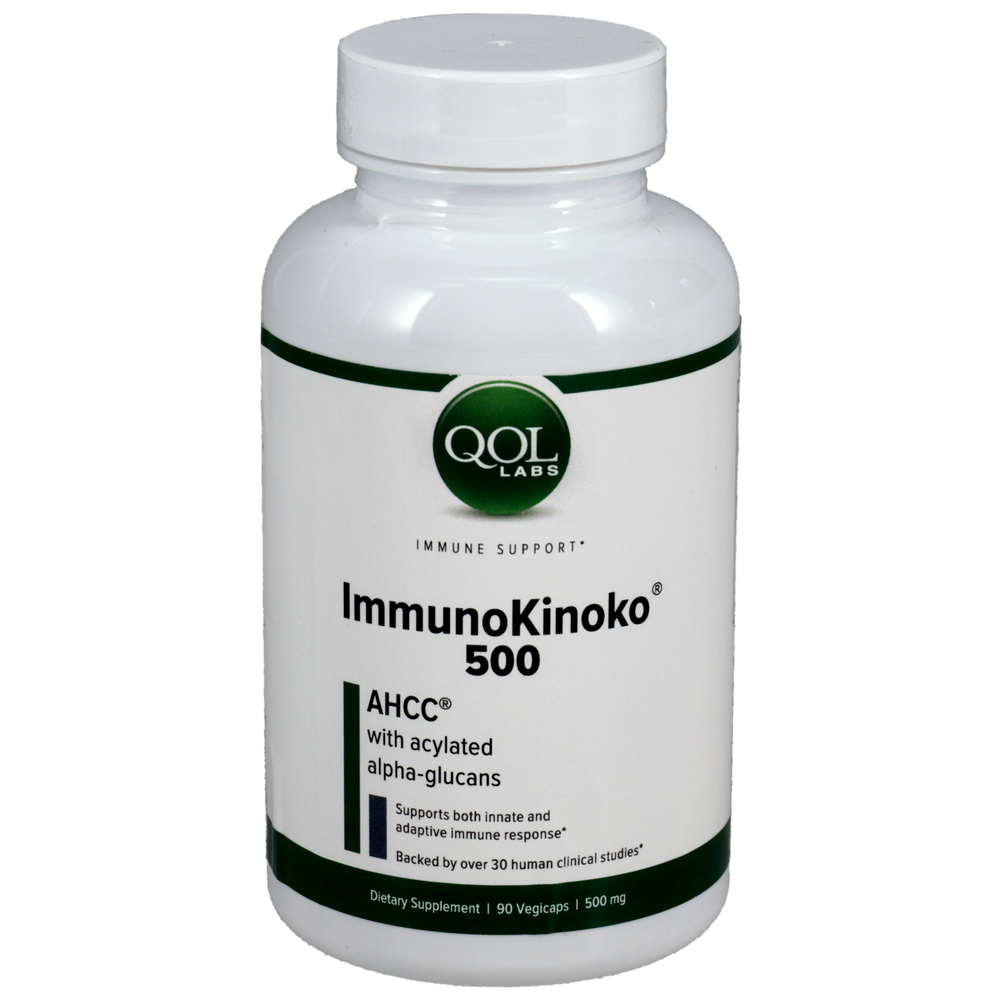
ImmunoKinoko 500
QOL Labs
90 capsules
$95.99$76.99 with Subscribe & Save
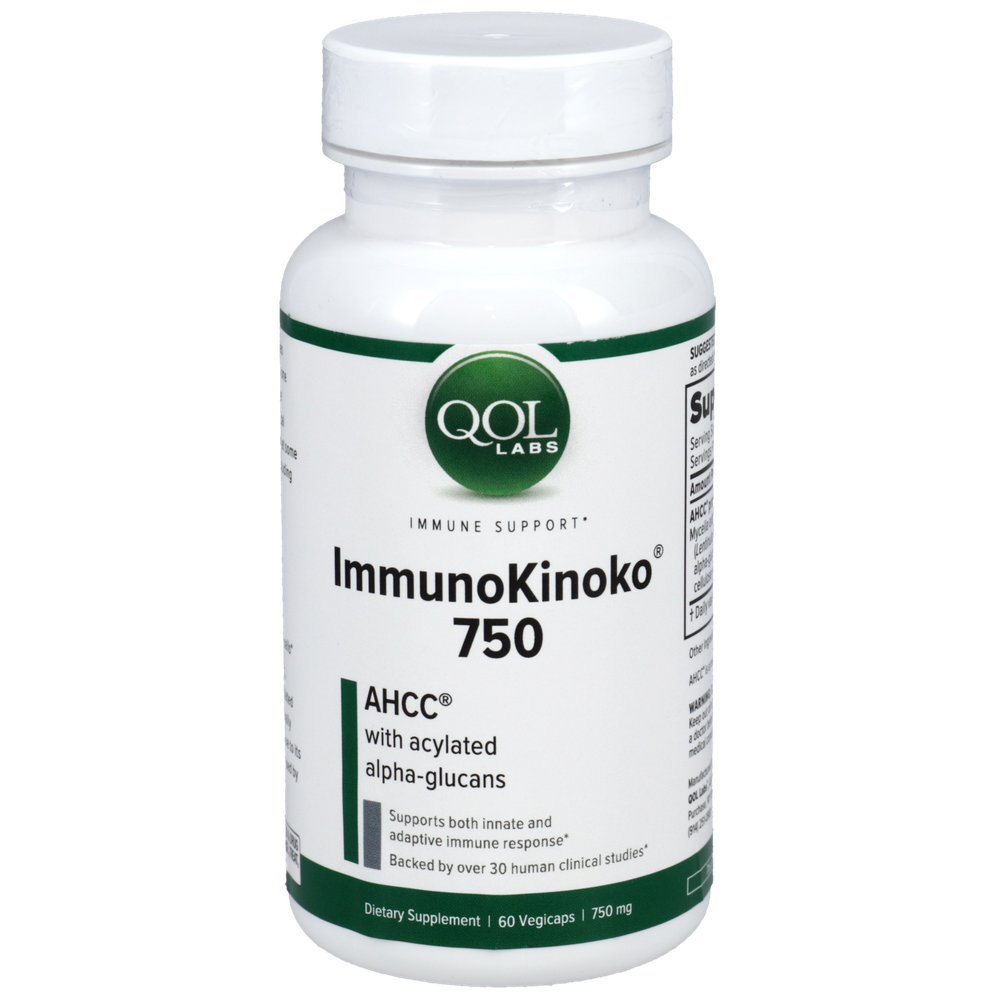
ImmunoKinoko 750
QOL Labs
60 capsules
$95.99$76.99 with Subscribe & Save
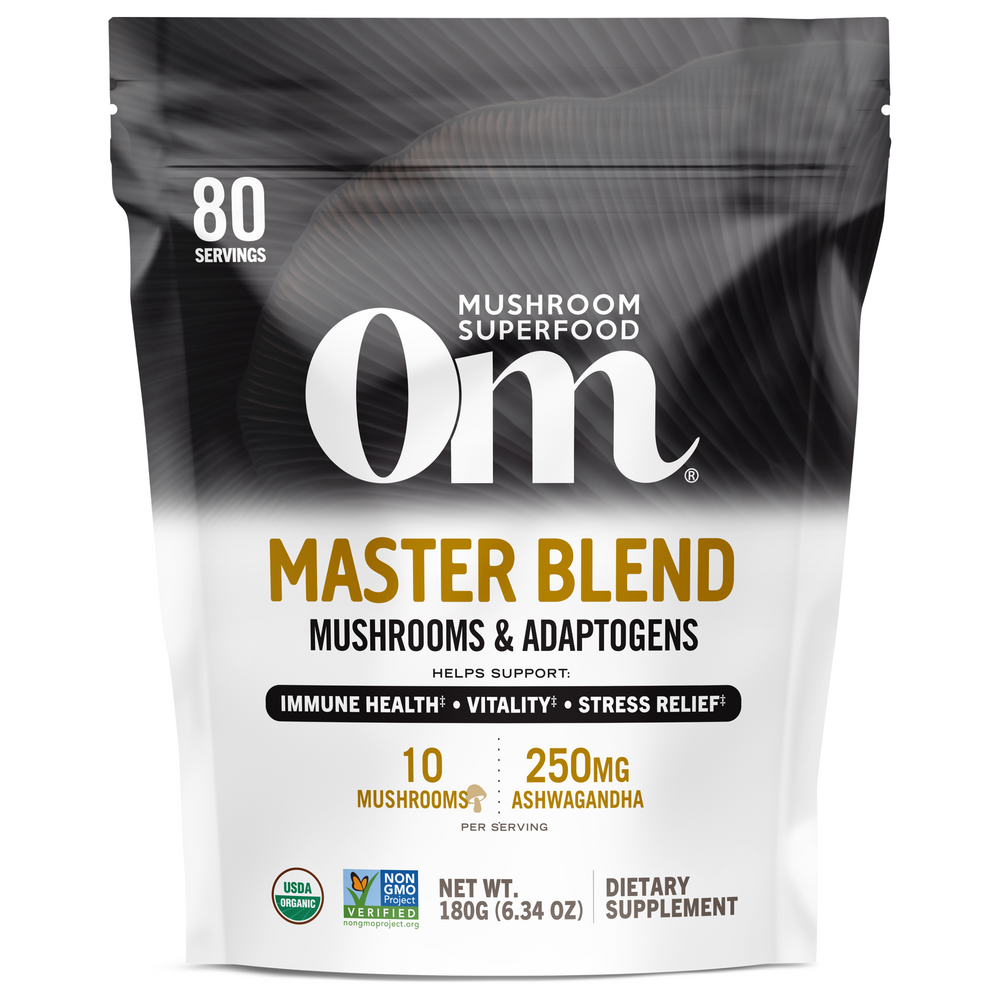
Mushroom Master Blend
Om Organic Mushroom Nutrition
180 grams
$42.99$33.99 with Subscribe & Save
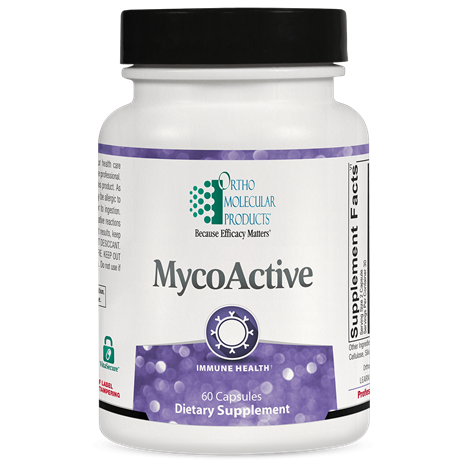
MycoActive
Ortho Molecular Products
60 capsules
$48.23$43.45 with Subscribe & Save