 Instalab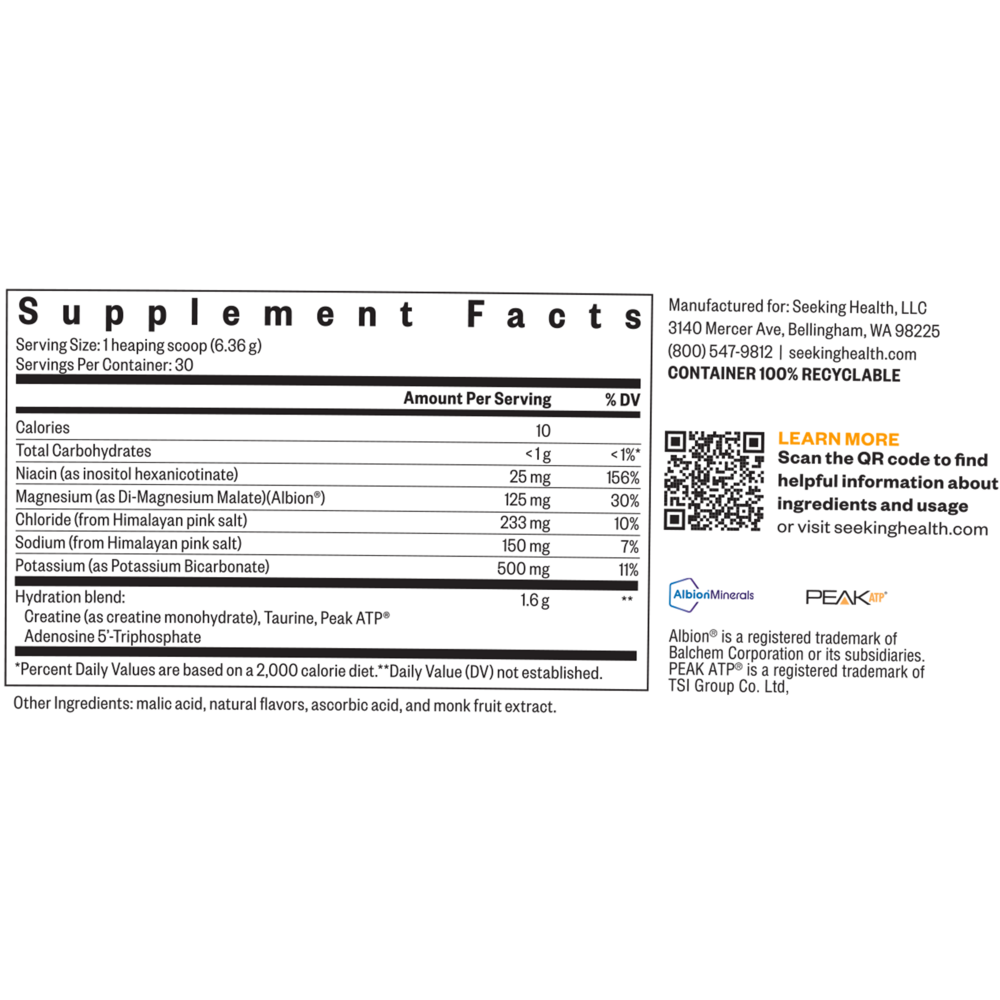


Seeking Health
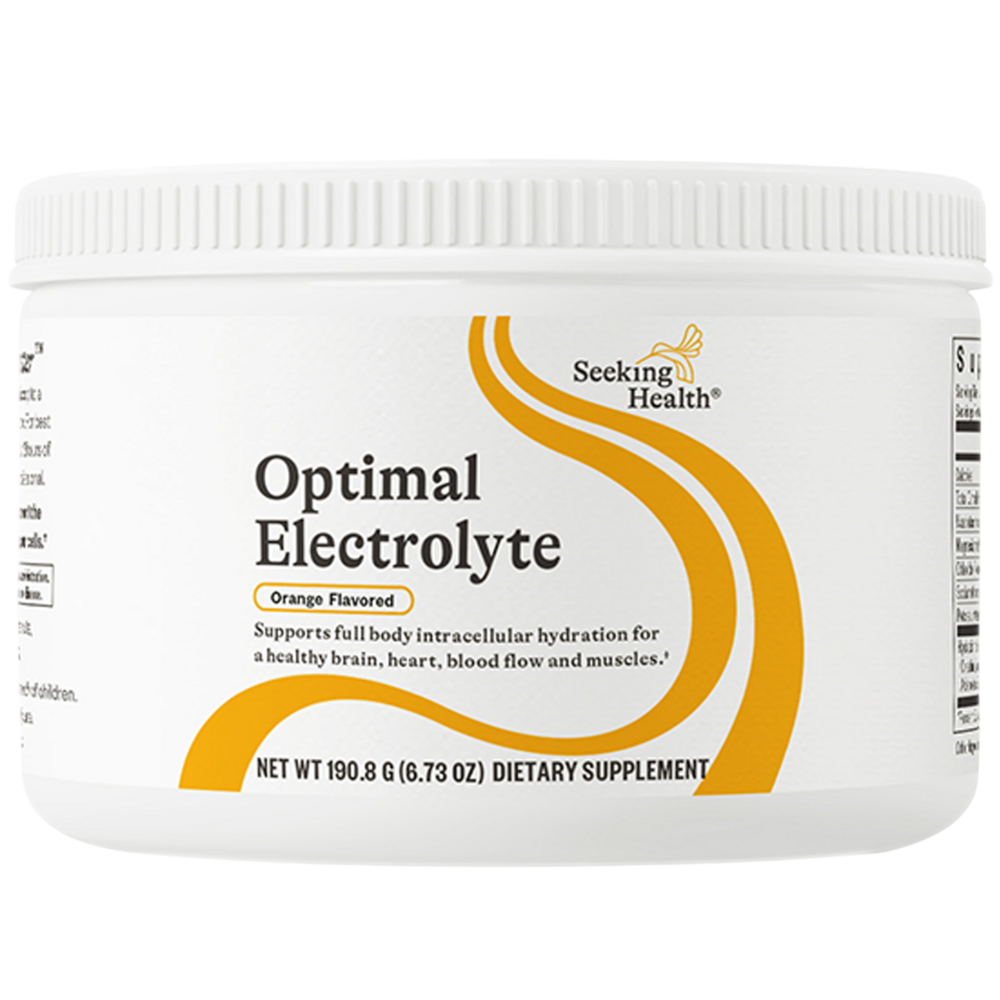
Seeking Health Optimal Electrolyte Orange by Seeking Health
190.8 grams
Hydration Support with Essential Electrolytes for Optimal Performance$XX.XX$38.99retail
This item is currently out of stockGet notified when this item is back in stock
21% below MSRP3rd-party tested for purity & potencyFree shipping $50+
Seeking Health Seeking Health Optimal Electrolyte Orange overview
Long runs in summer heat, heavy sweating in the gym, or time in a sauna are when an electrolyte powder for hydration earns its place. It’s also useful on low‑carb or keto diets, where lower insulin makes you shed more sodium and water. If you’ve seen lightheadedness on standing or cramping late in workouts, replenishing electrolytes is often more effective than plain water. Lab-wise, look at Sodium, Potassium, and Magnesium on a Basic Metabolic Panel if you’re unsure where you stand.
Electrolytes are minerals that carry charge in fluid, letting nerves fire and muscles contract. Sodium pulls water with it by osmosis, so replacing it helps maintain plasma volume, not just thirst. Potassium lives mostly inside cells and balances sodium to keep muscle and heart rhythm steady. Magnesium helps muscles relax after contraction, and low levels are a common cramp trigger. Compared with water alone, an electrolyte mix typically sustains performance longer in hot or long sessions.
Mix one scoop with 8–12 oz of cold water. Sip during training or right after, and repeat for sessions over an hour, heavy sweat, or heat exposure. Start with one serving and adjust based on body size, sweat rate, and taste for salt. If you track labs, recheck Sodium, Potassium, and Magnesium after a few weeks of regular use to calibrate. For daily desk work, you generally don’t need multiple servings.
Skip extra electrolytes without clinician input if you have kidney disease, heart failure, high blood pressure on a prescribed low‑sodium diet, or if you’re taking medicines that change potassium handling, like ACE inhibitors, ARBs, or potassium‑sparing diuretics (spironolactone). Diuretics of any kind alter sodium and potassium balance. Lithium dosing is sensitive to sodium intake. If you’ve had unexplained swelling, palpitations, or vomiting/diarrhea, get evaluated rather than self-correcting.
Frequently asked questions
Is electrolyte powder better than water for workouts?
For long or sweaty sessions, yes. Electrolytes help you retain fluid and keep nerves and muscles firing. For short, low‑sweat efforts, water is usually enough.
How many servings of electrolytes can I take in a day?
Most people use 1–2 servings on training days, scaled to heat and sweat rate. Large intakes aren’t better. If you have high blood pressure or kidney issues, ask your clinician first.
Will electrolytes help with muscle cramps?
They often do if cramps are from sodium or magnesium loss. If cramps persist despite adequate electrolytes and conditioning, consider labs for Magnesium and Potassium and review training load.
Can I use electrolyte powder on a keto or low-carb diet?
Yes. Low‑carb diets increase sodium and water loss, so electrolytes can reduce headaches, fatigue, and cramps common early on. Adjust to taste and how you feel during activity.
Should I take electrolytes before or after a sauna?
Both can work. Take a serving shortly before to pre-hydrate, then sip water. If you’re a heavy sweater, another serving after helps replace what you lost.
Do electrolytes upset the stomach?
They’re usually well tolerated. Concentrated mixes can cause nausea; dilute to taste and sip, not chug. If you’re sensitive, take small amounts with food and increase gradually.
Which labs tell me if I need electrolytes?
Sodium, Potassium, and Magnesium on a Basic Metabolic Panel are the starting point. If you cramp often or train in heat, periodic checks help you tailor intake safely.
How to take it & ingredients
Suggested use: Mix one scoop (approximately 10.5 grams) with 8-12 ounces of water and consume during or after exercise, or as directed by your healthcare professional.
Certifications
Benefits
Warnings
Customers also considered
Thorne
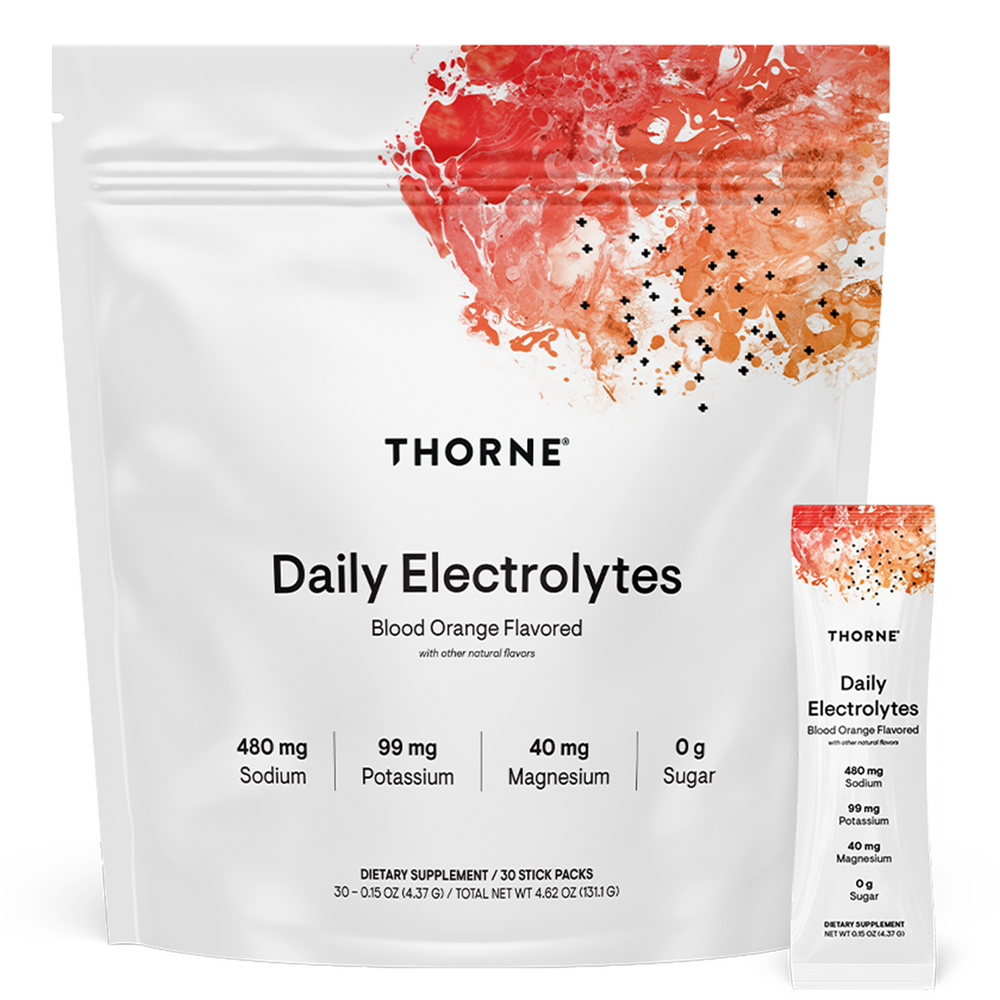
Daily Electrolytes Blood Orange
30 packets
$XX.XX$40.00retail
Add to cart to see your price
Thorne
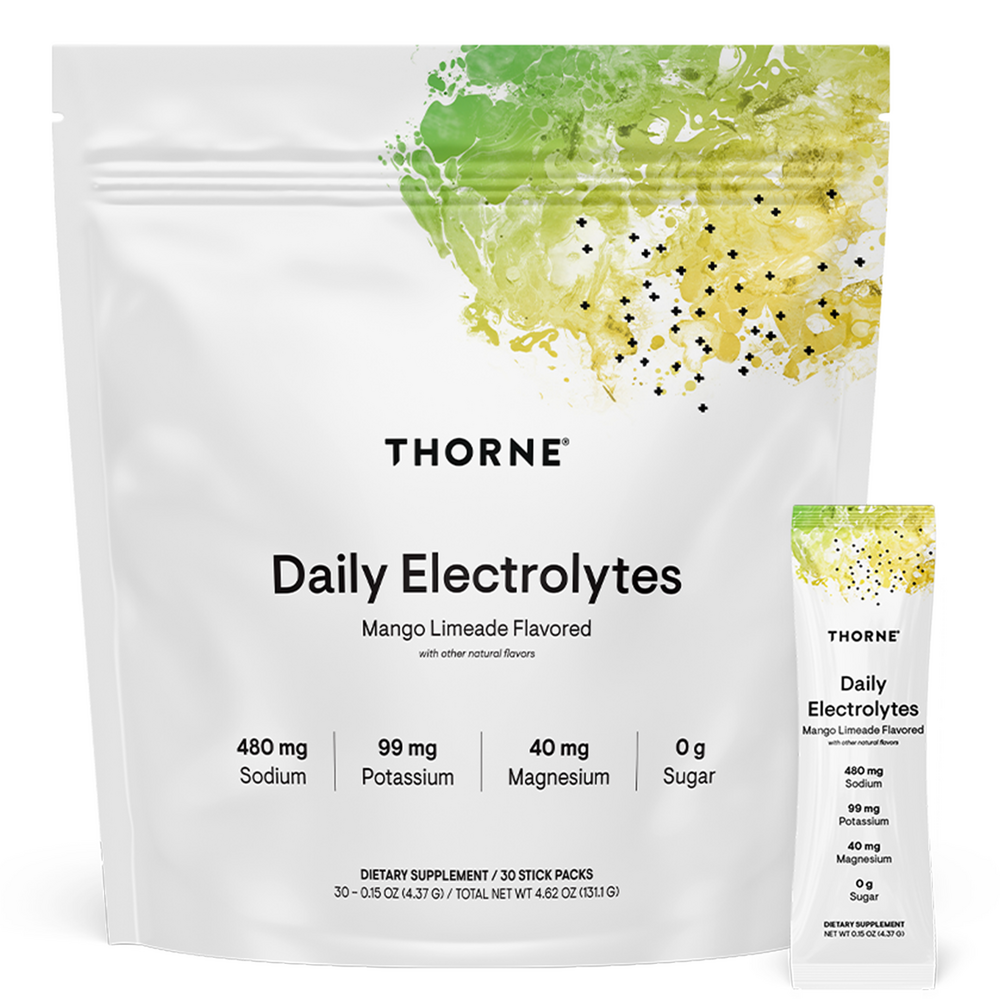
Daily Electrolytes Mango Limeade
30 packets
$XX.XX$40.00retail
Add to cart to see your price
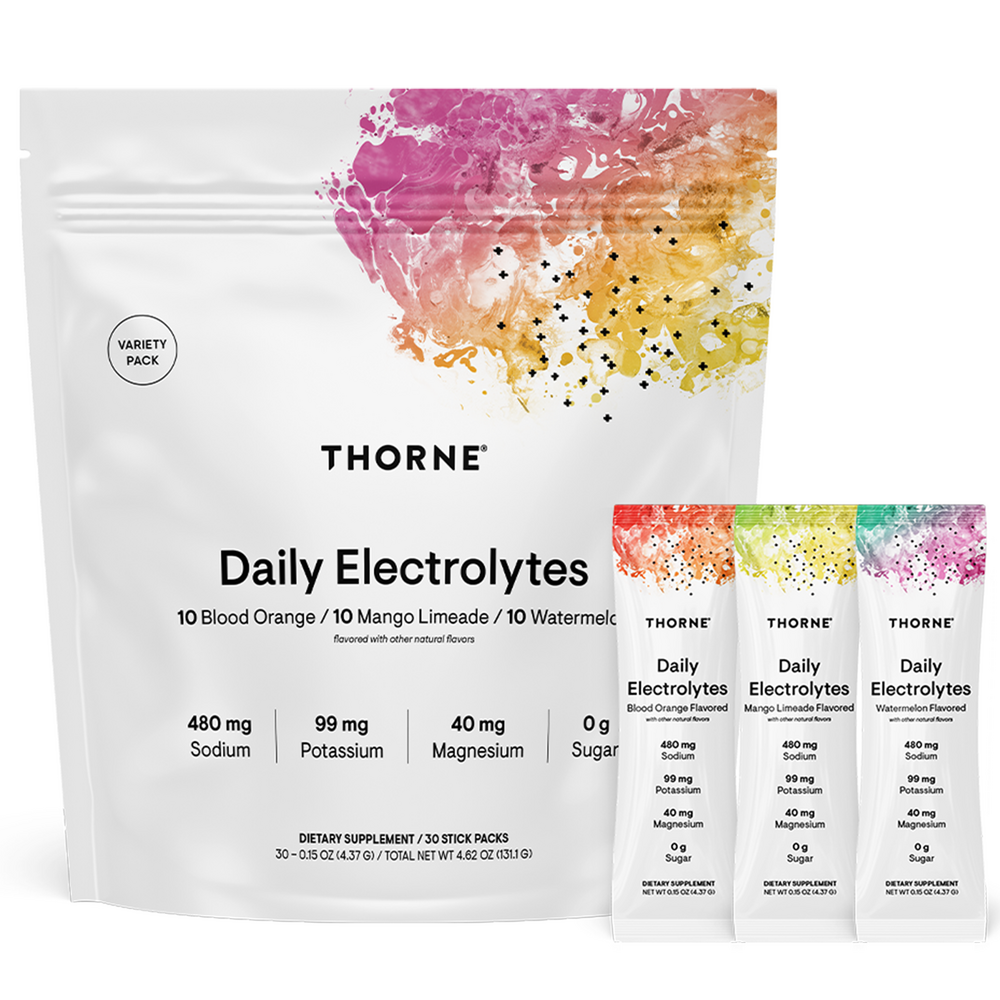
Thorne
Daily Electrolytes Variety Pack
30 packets
$XX.XX$40.00retail
Add to cart to see your price
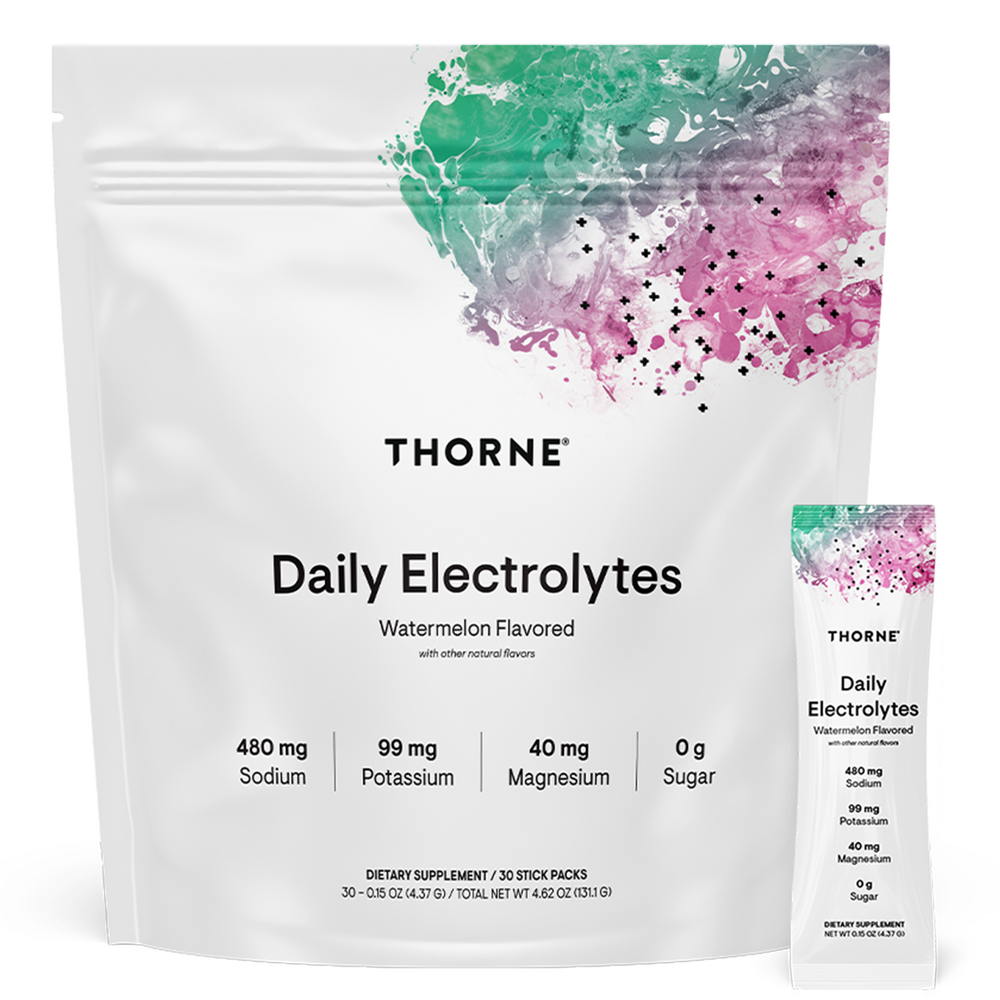
Thorne
Daily Electrolytes Watermelon
30 packets
$XX.XX$40.00retail
Add to cart to see your price