 Instalab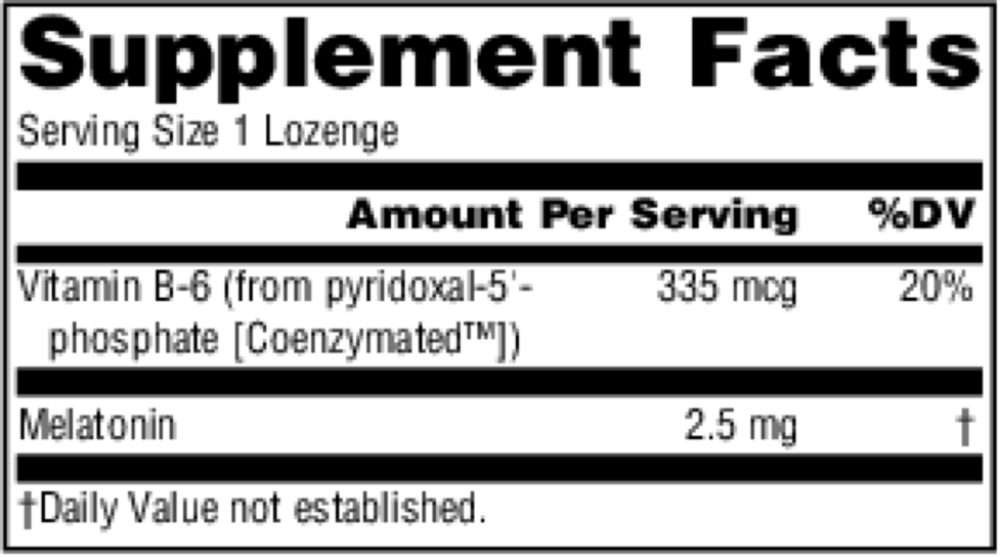

Source Naturals
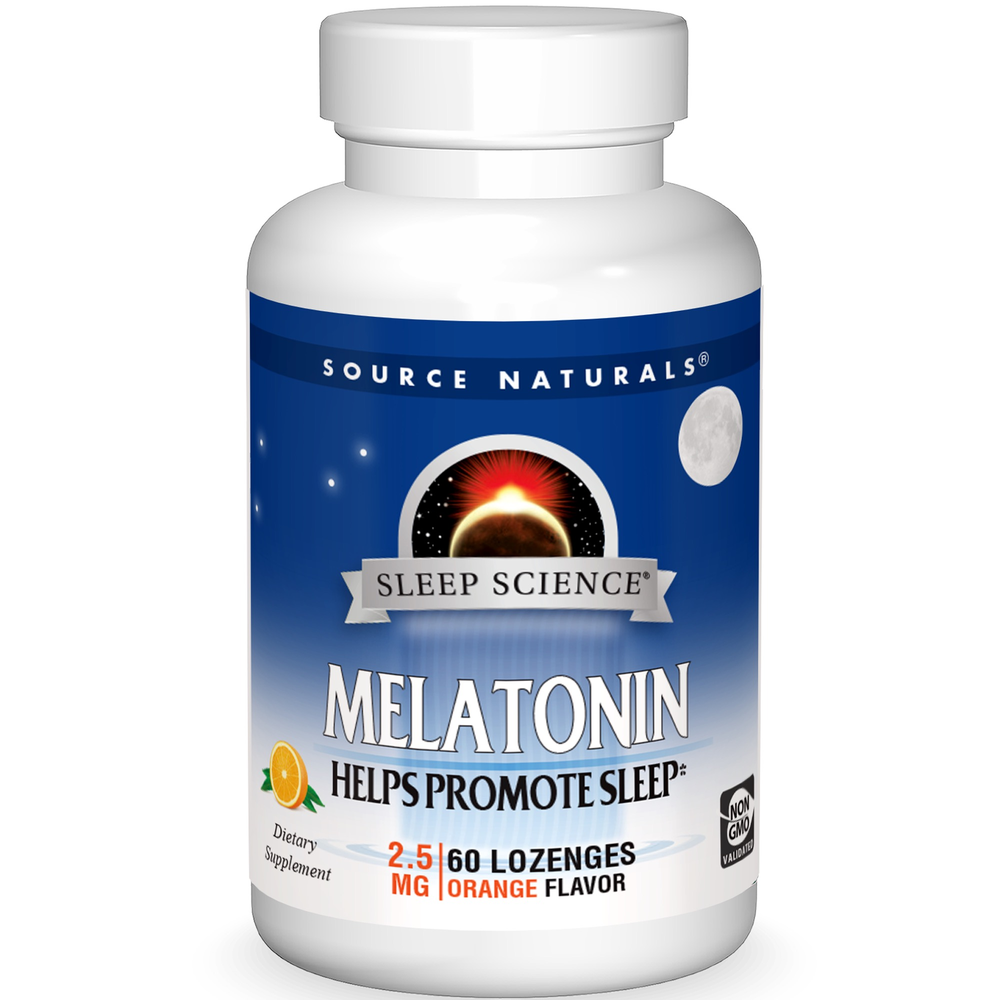
Melatonin Orange by Source Naturals
60 lozenges · 60-day supply
Support Restful Sleep with Melatonin and Vitamin B6$9.99
Purchase options
Practitioner-grade brand3rd-party testedFree shipping $50+
Source Naturals Melatonin Orange overview
If you’re looking for melatonin for sleep rather than a knockout sedative, this 2.5 mg lozenge fits adults who struggle to fall asleep, travelers crossing time zones, and shift workers trying to reset their body clock. It’s also useful for delayed sleep phase, when your natural sleep time drifts late. Older adults often make less melatonin than they used to, so a low, consistent dose can help. If insomnia is driven by pain, reflux, or untreated sleep apnea, address those first.
Melatonin is the darkness signal your brain’s pineal gland releases to time sleep. Taken in the evening, it nudges the circadian clock (your internal 24‑hour timer) earlier, which shortens sleep-onset time within days. This lozenge dissolves in the mouth, allowing some absorption through the cheeks and under the tongue for a quicker rise. The included pyridoxal‑5′‑phosphate (the active form of vitamin B6) is a tiny amount and not the driver here—the melatonin is.
Let one lozenge dissolve 30–60 minutes before your target bedtime, then keep lights dim and screens off to avoid blue light, which suppresses melatonin. For jet lag, take it at local bedtime for 2–4 nights. For delayed sleep phase, take it 3–5 hours before your desired bedtime for a week to shift earlier. If you’re sensitive or feel groggy, try half. Expect effects the first night for sleep onset; full clock shifts take 3–7 days.
Avoid melatonin if you’re pregnant or breastfeeding, or if you’re on immune‑suppressing drugs after transplant. Use caution with blood thinners like warfarin, apixaban, or clopidogrel, and with sedatives, as effects can add up. If you have uncontrolled depression, epilepsy, or active autoimmune disease, involve your clinician. Don’t combine with alcohol, and don’t drive for several hours after taking it. Persistent insomnia deserves an evaluation for sleep apnea or restless legs.
Frequently asked questions
How long does melatonin take to work?
Most people feel melatonin within 30–60 minutes for falling asleep faster. Shifting your sleep schedule (jet lag or delayed sleep phase) takes 3–7 days of consistent timing, plus evening darkness and morning light exposure.
Is 2.5 mg melatonin a good dose?
Yes for many adults. Doses between about 0.3 and 3 mg often help sleep onset without next‑day fog. If you feel groggy or get vivid dreams, reduce to half. If you need more than 3 mg nightly, reassess timing, light exposure, and other sleep issues.
Can I take melatonin every night?
You can, especially for circadian issues or consistent early sleep onset. It’s not habit‑forming, but using the lowest effective dose, keeping a fixed bedtime, and managing evening light often reduce the need over time.
Does melatonin interact with medications?
It can increase sedation with sleep aids or anxiety meds, and there’s caution with blood thinners like warfarin, apixaban, or clopidogrel. If you take immunosuppressants or have epilepsy, check with your clinician before use.
Why does melatonin give me vivid dreams?
Melatonin can intensify REM sleep, which makes dreams more memorable. If it’s bothersome, take a lower dose, shift it slightly earlier, or improve room darkness and morning light, which stabilize REM timing.
Is melatonin safe long term?
Short‑ and medium‑term use is generally well tolerated in adults. For long‑term nightly use, keep the dose modest and review annually to confirm it’s still needed and that other causes of insomnia aren’t being missed.
Can I take melatonin with alcohol?
No. Alcohol fragments sleep and adds sedation in unsafe ways. If you’ve had alcohol, skip melatonin that night and prioritize hydration, darkness, and a consistent wake time the next morning.
How to take it & ingredients
Suggested use: 1 lozenge at bedtime. For best results, allow to dissolve in the mouth before swallowing.
Active ingredients
1 lozenge per serving · 60 servings
Vitamin B6
Pyridoxal-5’-phosphate (Coenzymated™)
Pyridoxal-5’-phosphate (Coenzymated™)
335 mcg
Melatonin
2.5 mg
Other ingredients: Sorbitol, Mannitol, Natural orange flavor, Magnesium stearate, Stearic acid
Certifications
Benefits
Warnings