 Instalab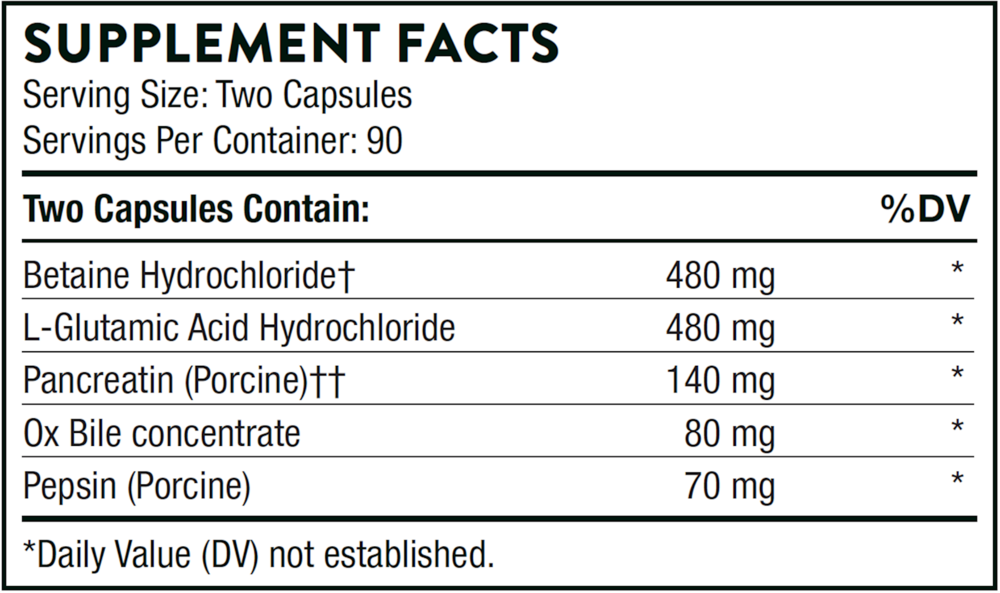
Thorne
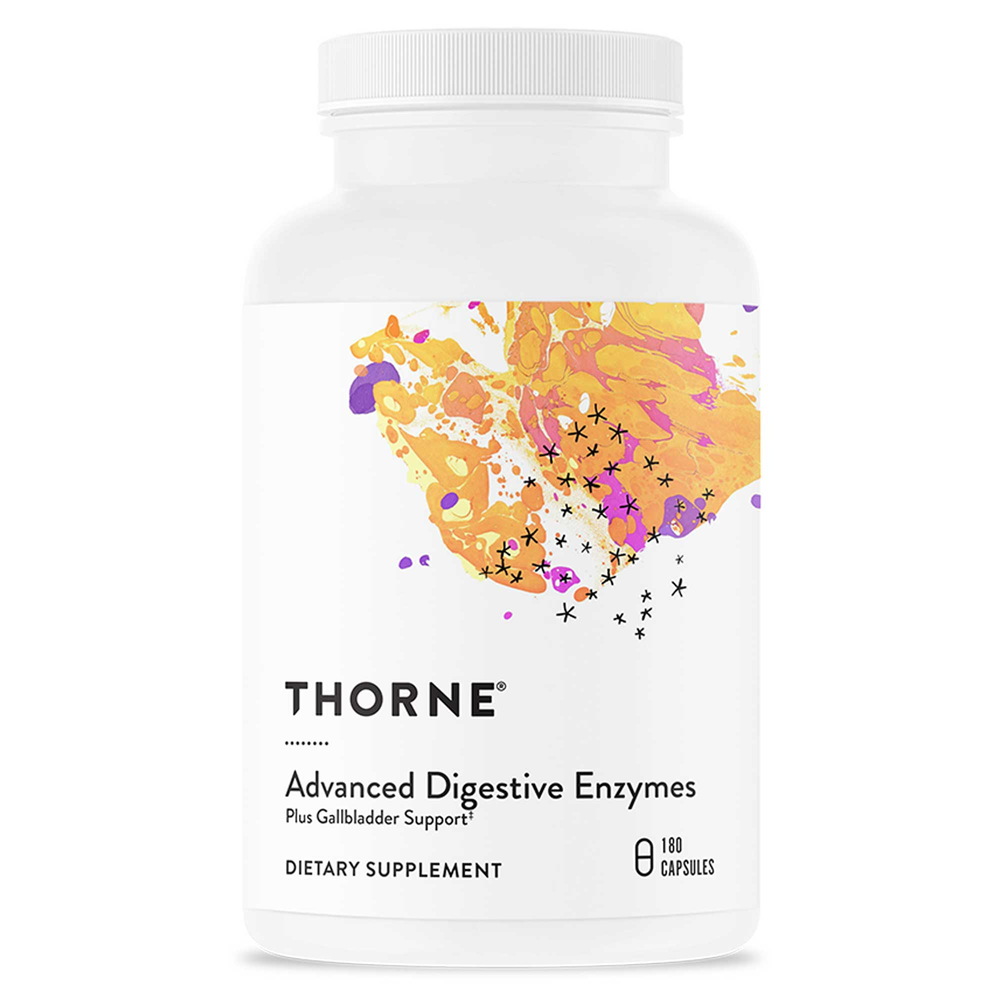
Advanced Digestive Enzymes by Thorne
180 capsules · 90-day supply
Comprehensive Support for Healthy Digestion and Nutrient Absorption$XX.XX$56.00retail
Purchase option
20% below MSRP3rd-party tested for purity & potencyFree shipping $50+
Gluten Free·Soy Free·Dairy Free·Milk Free
Thorne Advanced Digestive Enzymes overview
If fatty meals leave you bloated or with pale, greasy stools (fat not being absorbed well), digestive enzymes with ox bile and pancreatin are often the right fix. They’re commonly used after gallbladder removal, with low stomach acid, or during periods of heavy eating when gas and indigestion flare. If your Pancreatic Elastase (stool) is low, or your Fecal Fat is high, this blend is more targeted than plant-only enzymes. PPI users and reflux-dominant patients usually need a different plan.
Betaine HCl increases stomach acidity so pepsin (the stomach’s protein‑digesting enzyme) can actually work. That sets up proteins for efficient breakdown. Pancreatin supplies lipase, protease, and amylase—the small‑intestine enzymes for fats, proteins, and carbs. Ox bile provides bile acids that emulsify fats, improving absorption of fat‑soluble vitamins A, D, E, and K. Many people notice less gas and better-formed stools by the next few meals; vitamin status shifts, like Vitamin D, 25-Hydroxy, follow over weeks.
Take 1 capsule with the first bites of a meal; increase to 2 if a full meal still triggers bloating or if stools look oily. Heavier, higher‑fat meals typically need the higher end. Avoid taking on an empty stomach. If you feel warmth or burning, reduce to 1 capsule or reserve use for your largest meal. Reassess symptoms within 1–2 weeks; lab checks like Pancreatic Elastase or Fecal Fat can be repeated after 4–8 weeks if you’re tracking.
Avoid betaine HCl if you have active reflux, a history of ulcers, Barrett’s esophagus, or you’re on acid‑reducing drugs (PPIs or H2 blockers). Don’t combine with orlistat (fat‑blocking drug) or acarbose (diabetes med), which these enzymes can counter. Separate from bile acid binders like cholestyramine by at least 3 hours. This formula contains porcine and bovine ingredients, so it’s not suitable for vegetarians, those avoiding pork/beef, or with related allergies.
Frequently asked questions
How fast do digestive enzymes work for bloating?
Often within the first few meals. Gas, upper fullness, and oily stools typically improve in days. Fat‑soluble vitamin changes (like Vitamin D, 25-Hydroxy) take weeks to months.
Can I take digestive enzymes with a PPI or antacid?
Not this HCl-containing blend. Betaine HCl adds acid, which conflicts with PPIs or H2 blockers. If you need acid suppression, choose an enzyme formula without HCl and discuss with your clinician.
Is it safe to use digestive enzymes long term?
Yes for many adults, especially after gallbladder removal or with documented enzyme insufficiency. Recheck Pancreatic Elastase or Fecal Fat if you plan ongoing use, and review meds for interactions.
Can I open the capsule or take it without food?
Take with the first bites of food. Do not take on an empty stomach. Opening the capsule is possible, but the powder is acidic and can irritate the mouth—swallow promptly with food.
Will digestive enzymes help if I have SIBO?
They can reduce post‑meal bloating, but they don’t treat bacterial overgrowth. If SIBO is suspected, consider testing and address the cause; enzymes are symptom support, not a cure.
Do digestive enzymes affect blood sugar medicines?
They can lessen the effect of acarbose, which slows carb digestion. If you use acarbose, avoid enzyme blends with amylase or discuss an alternative plan with your prescriber.
Who should avoid betaine HCl specifically?
Anyone with active ulcers, significant reflux, a history of gastrointestinal bleeding, or who uses NSAIDs or steroids heavily should avoid added acid and consult a clinician first.
How to take it & ingredients
Suggested use: Take 1 to 2 capsules with each meal or as recommended by your health professional.
Active ingredients
2 capsules per serving · 90 servings
Betaine Hydrochloride
480 mg
L-Glutamic Acid Hydrochloride
480 mg
Pancreatin
Porcine
Porcine
140 mg
Ox Bile Concentrate
80 mg
Pepsin
Porcine Pepsin
Porcine Pepsin
70 mg
Other ingredients: Hypromellose Capsule, Leucine, Silicon Dioxide
Certifications
Benefits
Warnings
Customers also considered
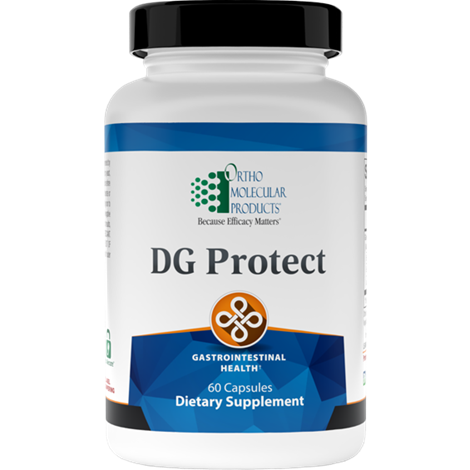
Ortho Molecular Products
DG Protect
60 capsules
$64.44
Add to cart for lower price
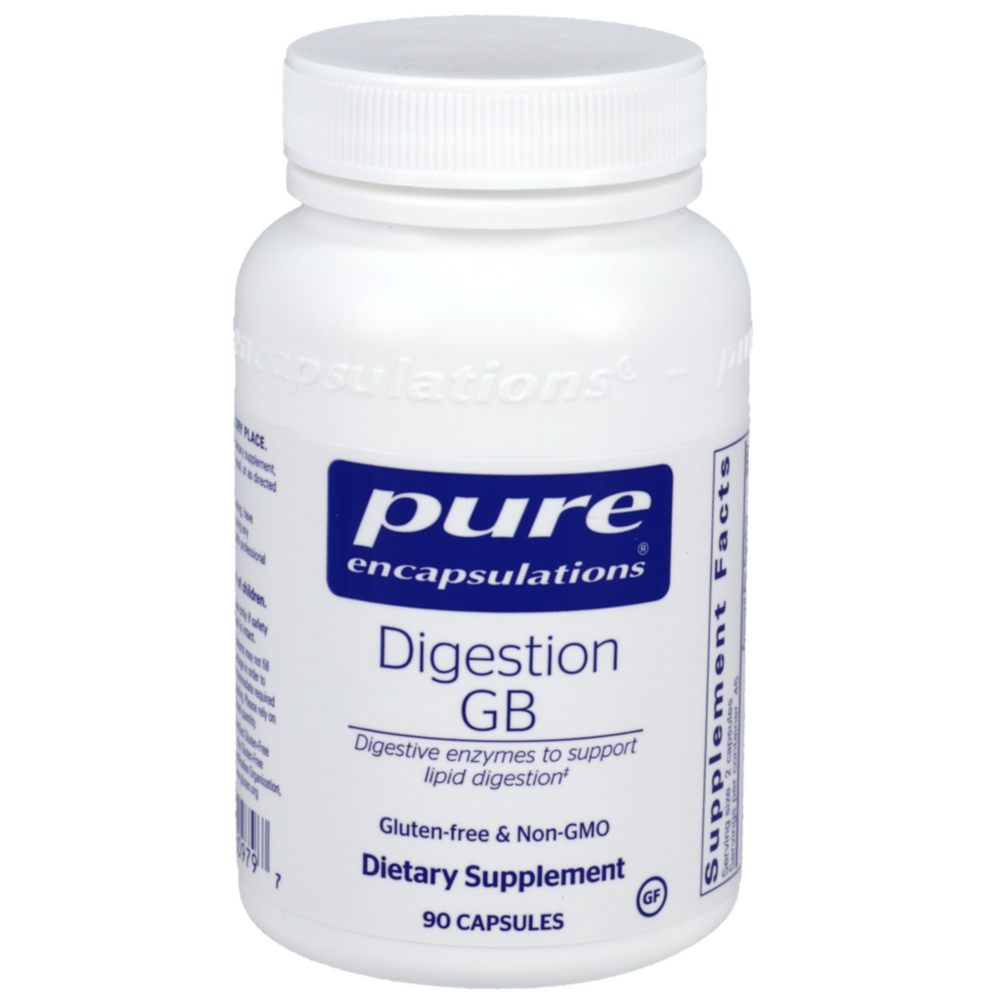
Pure Encapsulations
Digestion GB
90 capsules
$36.50
Add to cart for lower price
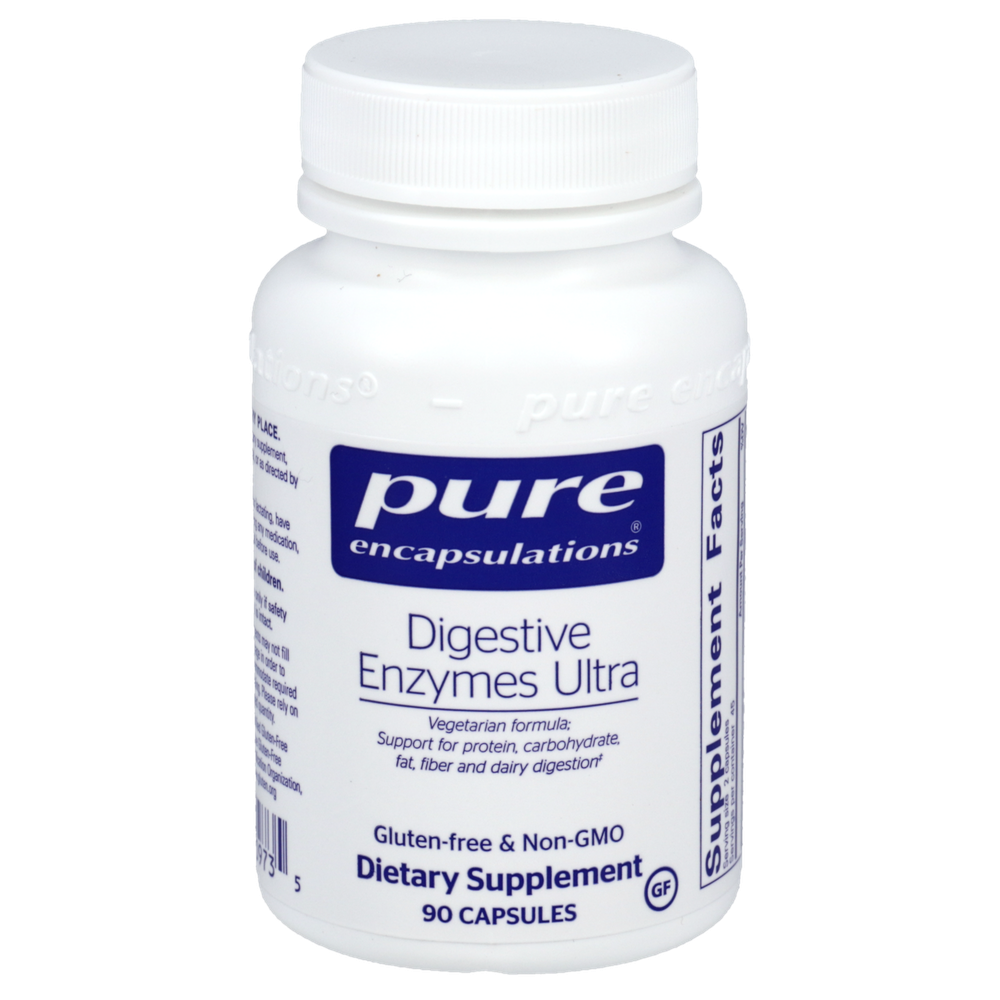
Pure Encapsulations
Digestive Enzymes Ultra
90 capsules
$38.00
Add to cart for lower price
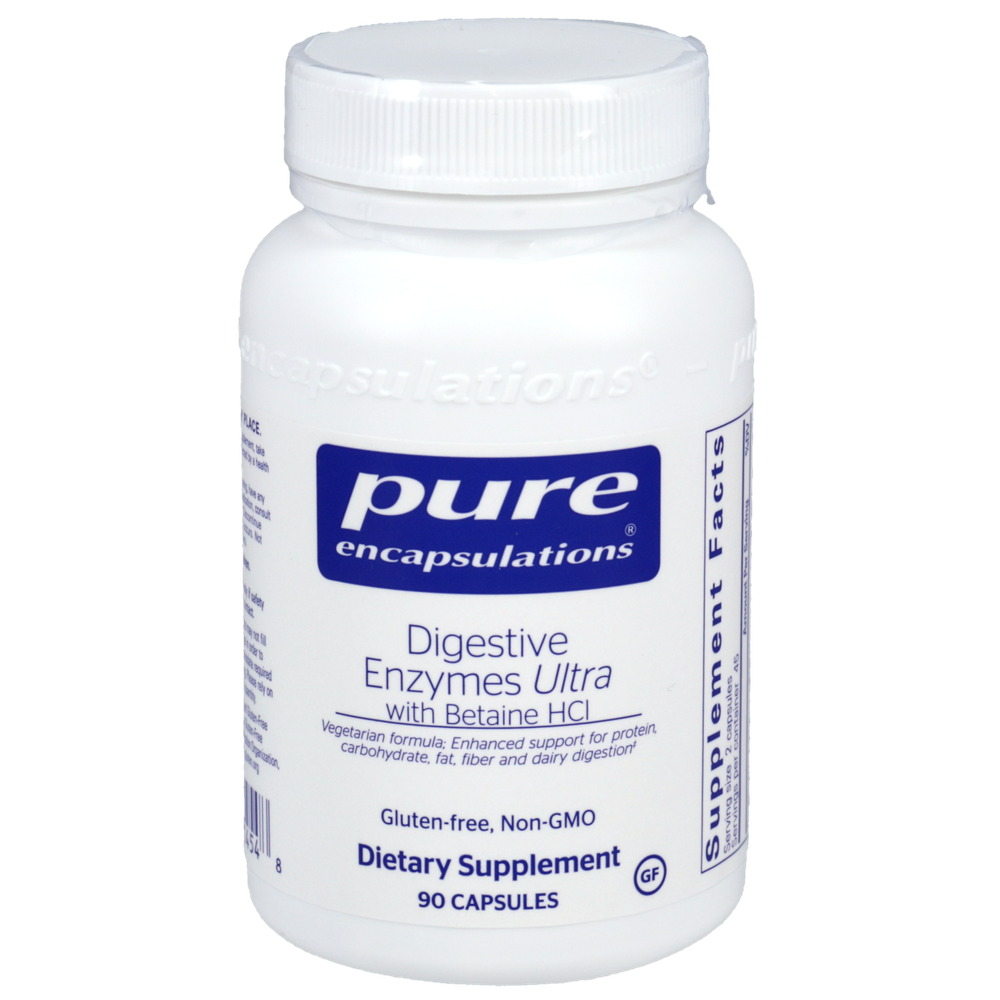
Pure Encapsulations
Digestive Enzymes Ultra w/ Betaine
90 capsules
$38.99
Add to cart for lower price