
 Instalab

Thorne
Plant Protein, Vanilla Flavored by Thorne
630 grams
Pea, Chia and Rice Protein for Muscle Support and Recovery$49.99
Purchase options
Practitioner-grade brand3rd-party testedFree shipping $50+
Gluten Free
Thorne Plant Protein, Vanilla Flavored overview
People who lift, adults over 50 trying to hold on to muscle, anyone losing weight, and those who eat little or no meat often fall short on protein, and a powder is the easy way to close the gap. This one suits people who avoid dairy or do not get on with whey, and anyone eating mostly plants. Each two-scoop serving supplies 22 g of protein. Use it to top up the day's intake, not to replace meals. No blood test measures how much protein you eat; a few days of logging food tells you more.
The blend combines pea, chia seed and rice proteins. A single plant protein tends to run low in one essential amino acid: pea is short on methionine and rice is short on lysine, so combining them gives a more balanced profile. The label lists typical amino acids per serving, including 1.9 g of leucine, the amino acid that signals muscle to start building. That is a little less than a typical whey serving provides, which is why total protein across the day matters more with plant sources.
A serving is two scoops (31.5 g): 22 g of protein, 130 calories, 4 g of carbohydrate with 2 g of fiber, 3.5 g of fat and 3 mg of iron. The tub holds about 20 servings. The label says to mix 2 scoops with at least 12 ounces of water, juice or another beverage, daily. Timing matters less than your total for the day. After training, or at a low-protein meal such as breakfast, are the usual slots.
Read the sodium line: each serving has 570 mg, 25% of the Daily Value, which matters if you limit salt for blood pressure, heart or kidney reasons. If you have kidney disease, ask your clinician how much protein is right for you before adding a powder. The 3 mg of iron per serving counts if your Ferritin runs high. Pea is a legume, and some people with peanut or other legume allergies react to it. The label also carries a California Proposition 65 warning for lead, which plants take up in trace amounts from soil; it gives no figure. If you are pregnant, the label says to consult your health-care practitioner first.
Protein works over weeks and months, together with resistance training: expect changes in strength and muscle over 8 to 12 weeks, not days. Compared with whey, plant blends are a little lower in leucine and can taste earthier, but the protein here comes from pea, chia and rice, not milk. It is sweetened with rebaudioside M and monk fruit extract. Some people get gas or bloating from pea protein; starting with one scoop and building up usually settles it.
Frequently asked questions
How much protein is in Thorne Plant Protein?
Each two-scoop serving (31.5 g of powder) provides 22 g of protein and 130 calories, from a blend of pea, chia seed and rice proteins. The tub holds about 20 servings.
Is plant protein as good as whey for building muscle?
It can be, if you get enough of it. Plant blends are slightly lower in leucine than whey, so total daily protein and consistent training matter more than the source. This blend lists 1.9 g of leucine per serving.
Is pea and rice protein a complete protein?
Together, yes in practice. Pea protein is low in methionine and rice protein is low in lysine, so each covers the other's gap. The label's amino acid table lists all nine essential amino acids per serving, including 1.7 g of lysine and 0.3 g of methionine.
When is the best time to take protein powder?
Whenever it helps you reach your daily protein total. After training and at breakfast, a meal that is often low in protein, are the common choices. Spreading protein across your meals serves muscle better than loading it into one.
How much sodium is in Thorne Plant Protein?
Each serving has 570 mg of sodium, 25% of the Daily Value, which is on the high side for a protein powder. If you watch salt for blood pressure, heart or kidney reasons, count it toward your day or ask your clinician whether it fits.
Why does Thorne Plant Protein have a California lead warning?
The label carries California's Proposition 65 notice: risk of reproductive harm from exposure to lead. Plants take up trace lead from soil, so plant protein powders often carry it. The label gives no amount. If you are pregnant or planning a pregnancy, talk with your clinician before using it.
Does plant protein cause bloating?
It can at first. Pea protein gives some people gas or bloating, especially at a full serving. Start with one scoop, mix it with more liquid and build up over a week or two. If it persists, a different protein source may suit you better.
Is protein powder hard on the kidneys?
In people with healthy kidneys, higher protein intakes in the usual range have not been shown to harm kidney function. If you have kidney disease or reduced kidney function, protein targets are individual: ask your clinician before adding a powder.
How to take it & ingredients
Suggested use: Mix 2 scoops with at least 12 ounces of water, juice, or preferred beverage daily or as recommended by your health-care practitioner.
Active ingredients
Two Scoops (31.5 g) per serving
Protein
22 g
Iron
3 mg
▼
Plant Protein Blend
28.55 g
Pea Protein
-
Chia Seed Protein
-
Rice Protein
-
Other ingredients: Natural Flavors, Medium Chain Triglycerides, Sea Salt, Rebaudioside M, Monk Fruit extract
Certifications
Benefits
Warnings
Customers also considered
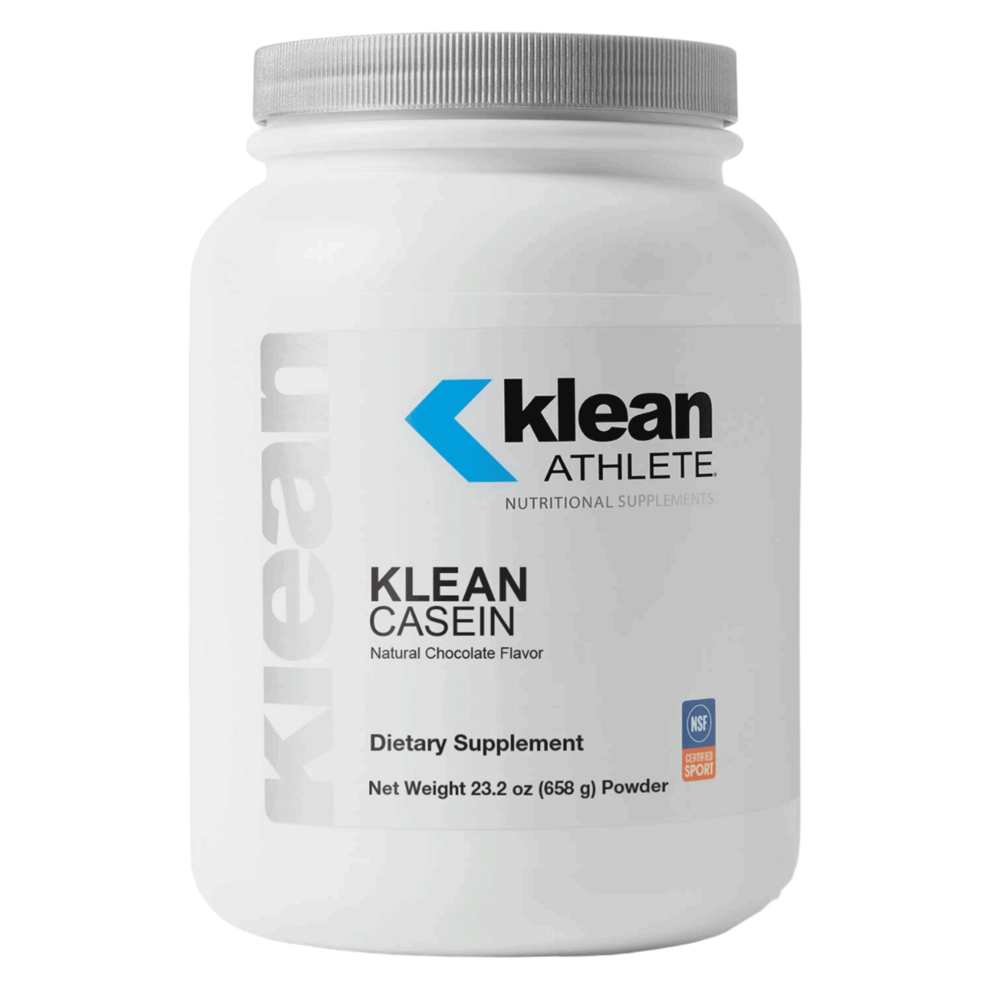
Casein Natural Chocolate
Klean Athlete
658 grams
$68.50$54.99 with Subscribe & Save
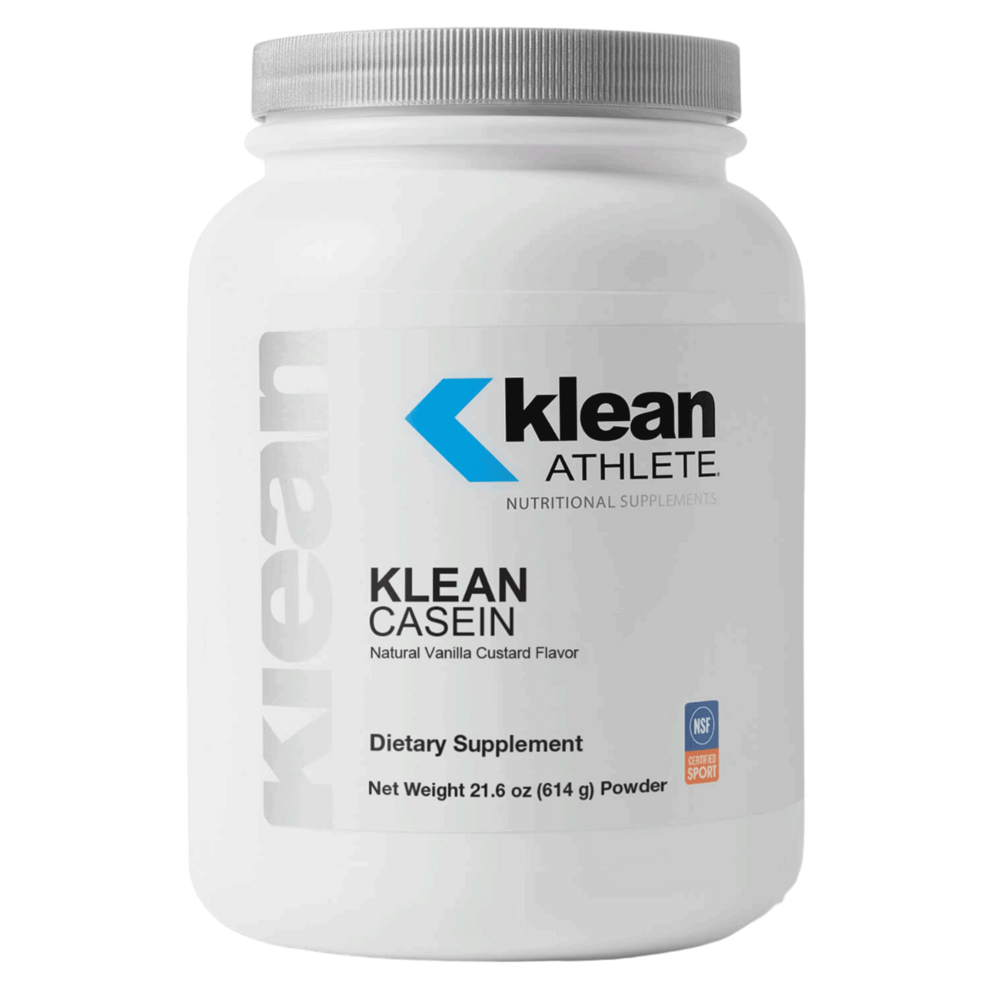
Casein Natural Vanilla Custard Flavor
Klean Athlete
614 grams
$68.50$54.99 with Subscribe & Save
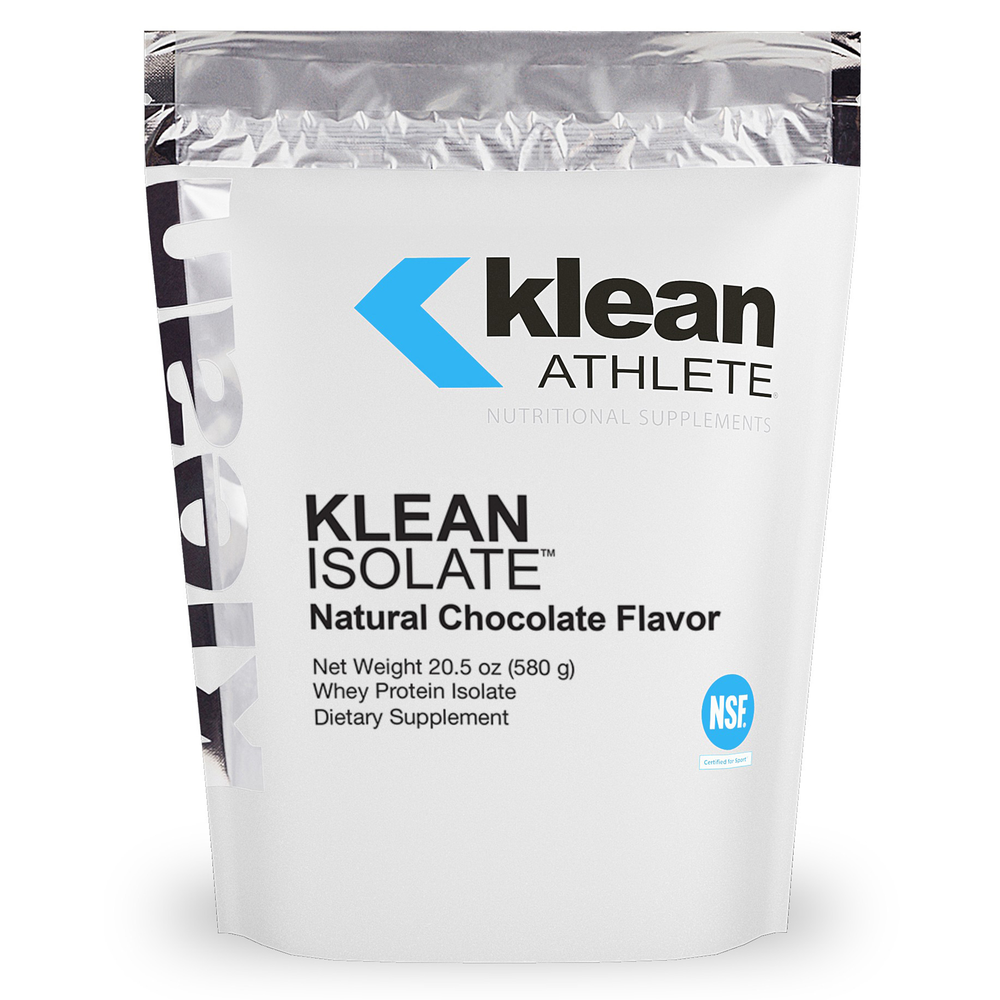
Klean Isolate Natural Chocolate
Klean Athlete
580 grams
$64.50$51.99 with Subscribe & Save
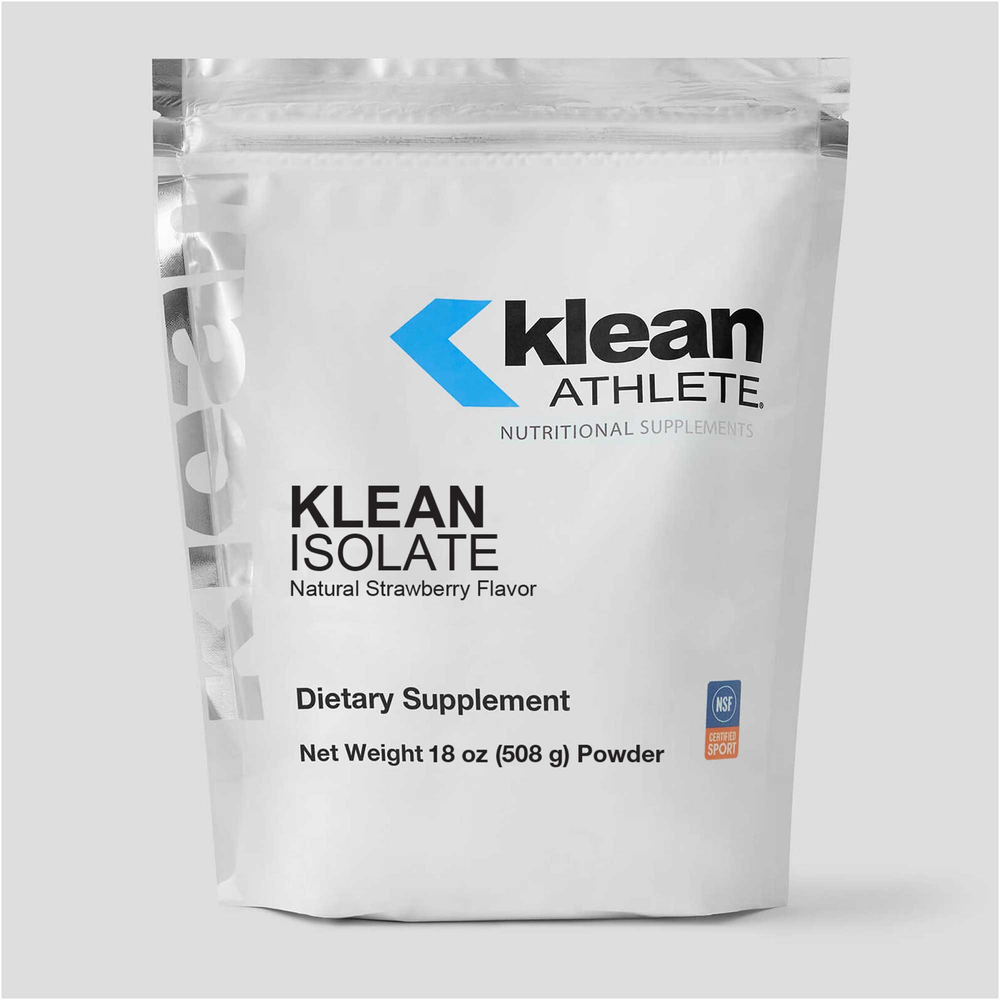
Klean Isolate Natural Strawberry
Klean Athlete
508 grams
$64.50$51.99 with Subscribe & Save