 Instalab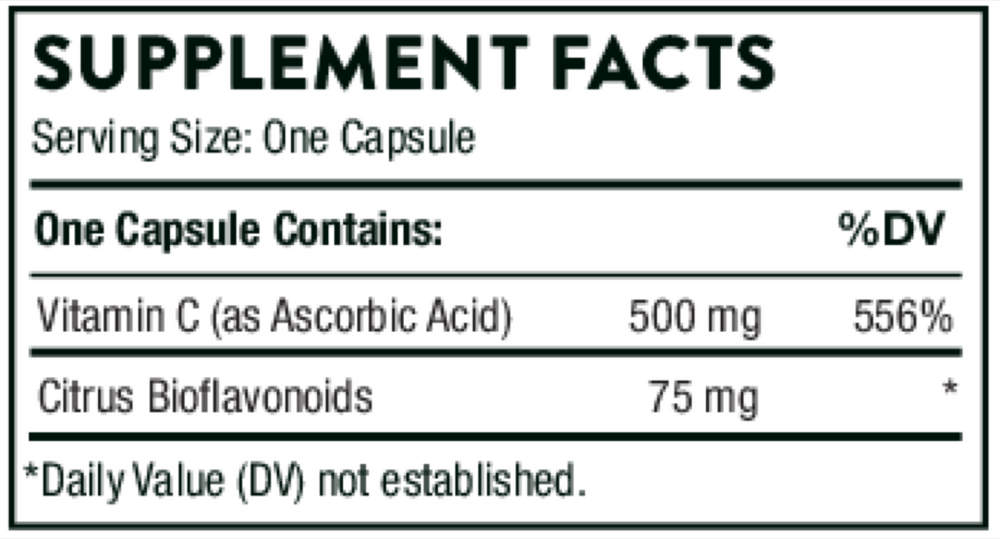
Thorne
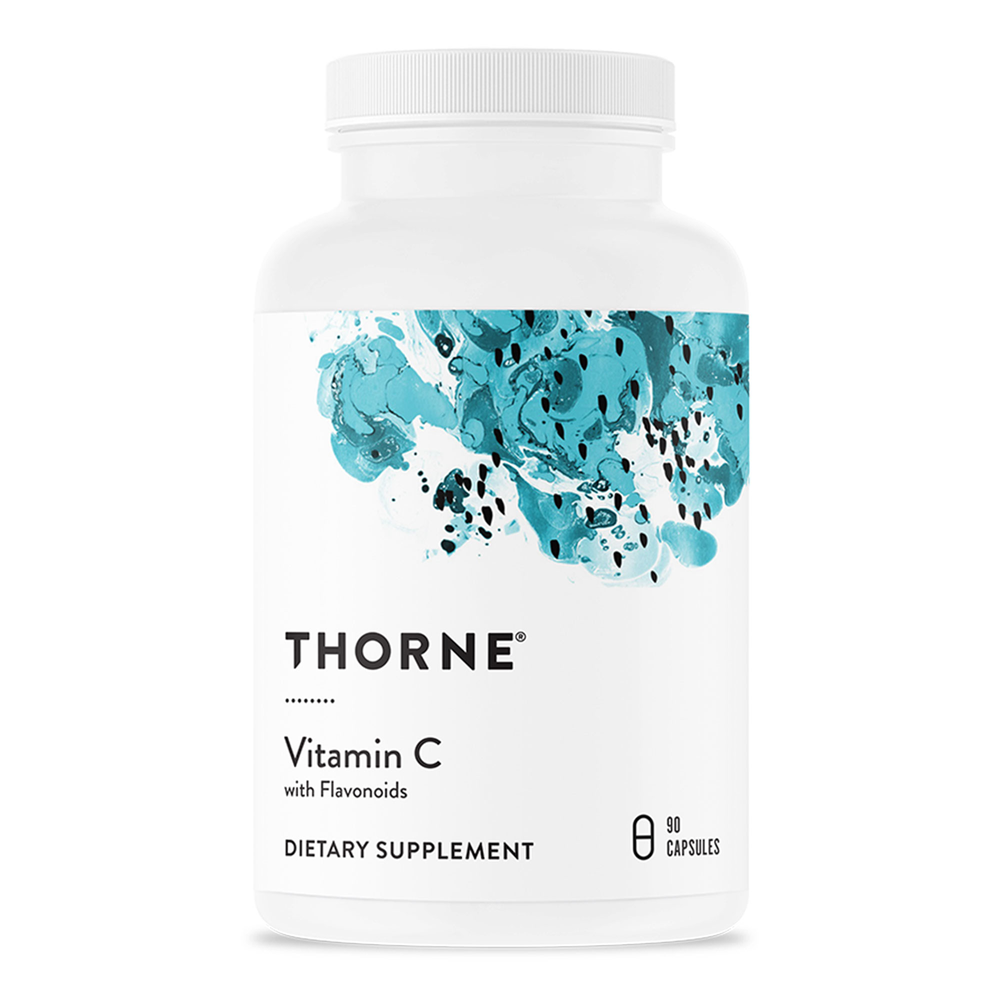
Vitamin C 500mg by Thorne
90 capsules · 90-day supply
Powerful Antioxidant Support for Immune and Skin Health$23.00
Purchase options
Practitioner-grade brand3rd-party testedFree shipping $50+
Gluten Free·Soy Free·Dairy Free·Milk Free
Thorne Vitamin C 500mg overview
If you want a steady, maintenance dose of vitamin C 500 mg for everyday immunity and skin integrity, this fits. It’s useful if your diet is light on fruits and vegetables, during heavy training, or when healing from minor musculoskeletal injuries where collagen repair matters. It also pairs well with iron if your Ferritin (your iron storage marker) is low, because vitamin C improves non‑heme iron absorption. If you’re aiming to prevent colds entirely, the evidence isn’t strong; regular vitamin C more often shortens cold duration modestly rather than blocking infections.
Vitamin C (ascorbic acid) is a water‑soluble antioxidant that regenerates vitamin E and tames free radicals that damage cells. It’s also a required cofactor for enzymes that build collagen, the structural protein in skin, joints, and blood vessels. Immune cells concentrate vitamin C to improve their response, which is why regular use can trim a typical cold by about a day. The added citrus bioflavonoids (plant compounds like hesperidin and rutin) travel with vitamin C in nature and complement its antioxidant activity; some data suggest they may aid absorption and reduce capillary fragility, though their added benefit is modest at this dose.
Take one capsule daily with food, as Thorne suggests. If you have a sensitive stomach, split the dose morning and evening or take with a meal to reduce acidity. This is a maintenance dose; higher intakes are sometimes used short term, but they commonly cause loose stools above 1,000–2,000 mg per day. If you’re repleting iron, take vitamin C with your iron supplement and recheck Ferritin within 8 to 12 weeks to confirm progress.
If you have a history of calcium‑oxalate kidney stones, avoid high vitamin C intakes, as very large doses can raise urinary oxalate. People with iron overload conditions (like hereditary hemochromatosis) should not pair vitamin C with iron. High oral doses can skew finger‑stick glucose readings; confirm with a lab glucose if numbers look odd. If you’re in active chemotherapy where your oncologist advises avoiding antioxidants, defer extra vitamin C until treatment plans are clear.
Frequently asked questions
Does vitamin C 500 mg prevent colds?
Not reliably. Regular daily vitamin C doesn’t prevent most colds, but it does shorten duration by roughly a day in many adults. Starting it only after symptoms begin has smaller, inconsistent effects.
Should I take vitamin C with or without food?
Either works, but many people tolerate it better with food because ascorbic acid is, by nature, acidic. If you get heartburn or nausea, take it mid‑meal or split the dose.
Can vitamin C 500 mg cause kidney stones?
At typical doses, risk is low, but very high intakes can raise urinary oxalate. If you’ve had calcium‑oxalate stones, keep vitamin C to moderate doses and stay well hydrated.
How long until I notice benefits?
Antioxidant and collagen cofactor roles are continuous, but practical effects are subtle. For iron pairing, expect Ferritin to improve within 8–12 weeks. For colds, regular use may trim duration when you do get sick.
What do citrus bioflavonoids add?
They’re plant compounds that work alongside vitamin C as antioxidants and may support capillary strength. Evidence for big added benefits is modest, but they’re safe and complement vitamin C’s actions.
Is vitamin C safe in pregnancy or breastfeeding?
Yes at standard dietary doses. A 500 mg daily capsule is generally considered reasonable, but share your full supplement list with your obstetric clinician before starting anything new.
Can I take vitamin C with iron?
Yes, and it can improve non‑heme iron absorption. If you’re treating iron deficiency, take them together on an empty stomach if tolerated, and track Ferritin to confirm response.
Does vitamin C interact with medications?
Meaningful drug interactions are uncommon at this dose. Very high doses can distort glucose meter readings. If you’re on chemotherapy where antioxidants are restricted, confirm with your oncologist.
How to take it & ingredients
Suggested use: Adults take one capsule daily, with food, or as directed by your healthcare professional.
Active ingredients
1 capsule per serving · 90 servings
Vitamin C
Ascorbic Acid
Ascorbic Acid
500 mg
Citrus Bioflavonoids
75 mg
Other ingredients: Hypromellose Capsule, Silicon Dioxide
Certifications
Benefits
Warnings
Customers also considered
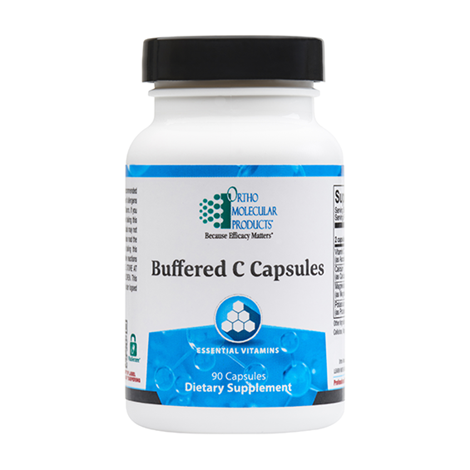
Buffered C Capsules
Ortho Molecular Products
90 capsules
$36.57$32.95 with Subscribe & Save
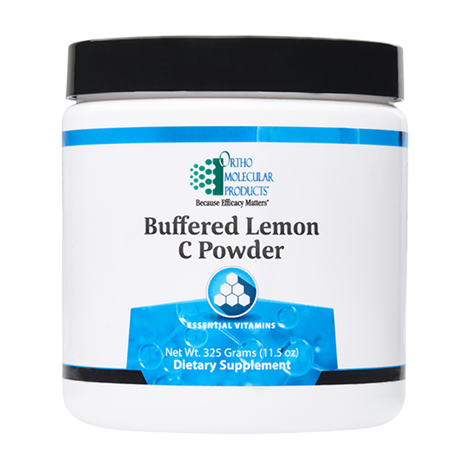
Buffered Lemon C Powder
Ortho Molecular Products
325 grams
$63.99$57.65 with Subscribe & Save
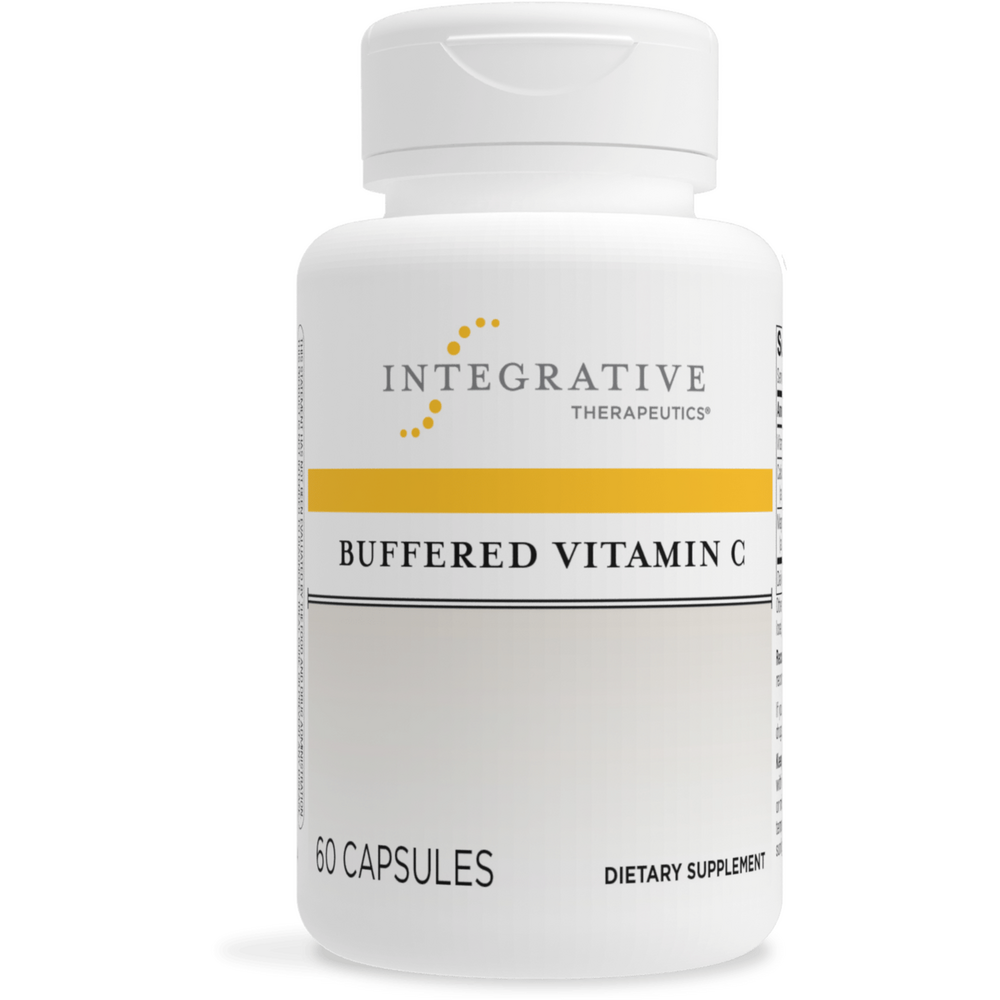
Buffered Vitamin C
Integrative Therapeutics
60 capsules
$15.99$12.99 with Subscribe & Save
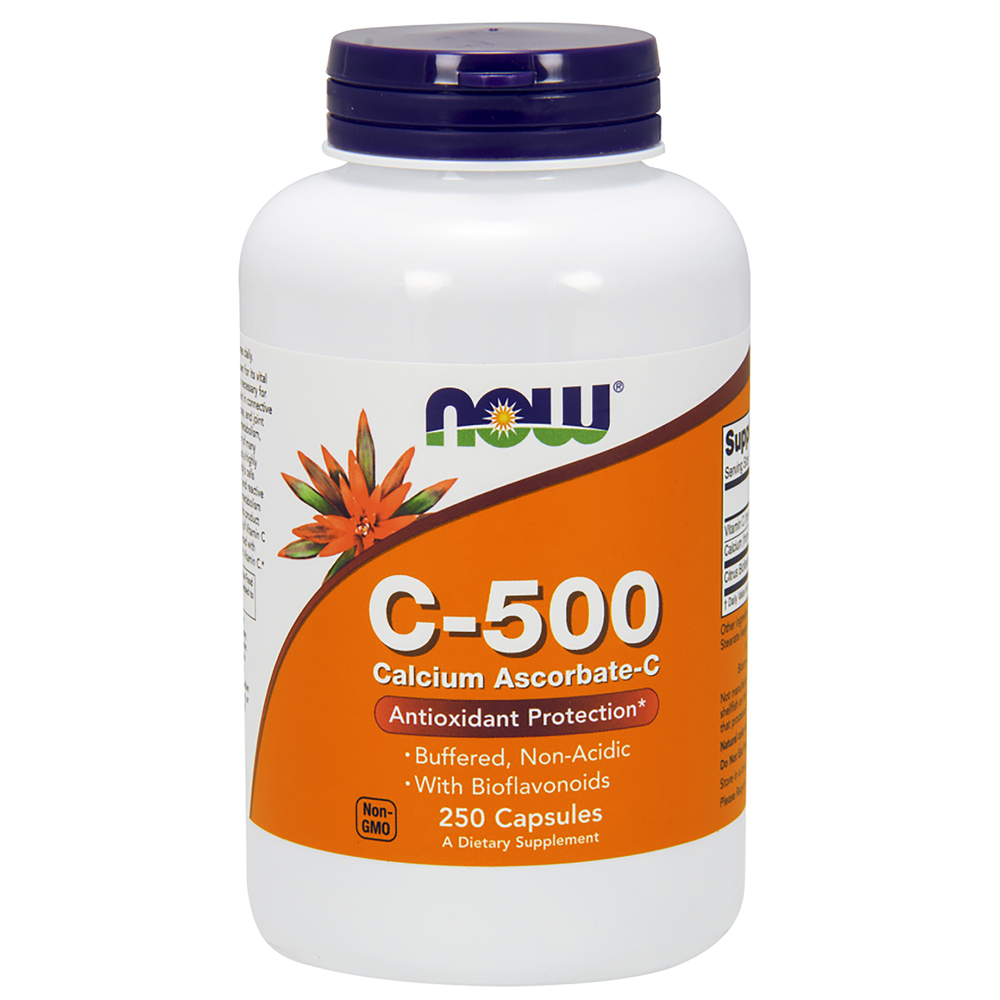
C-500 Calcium Ascorbate-C
Now Foods
250 capsules
$24.99$19.99 with Subscribe & Save