 Instalab


Trace Minerals Research
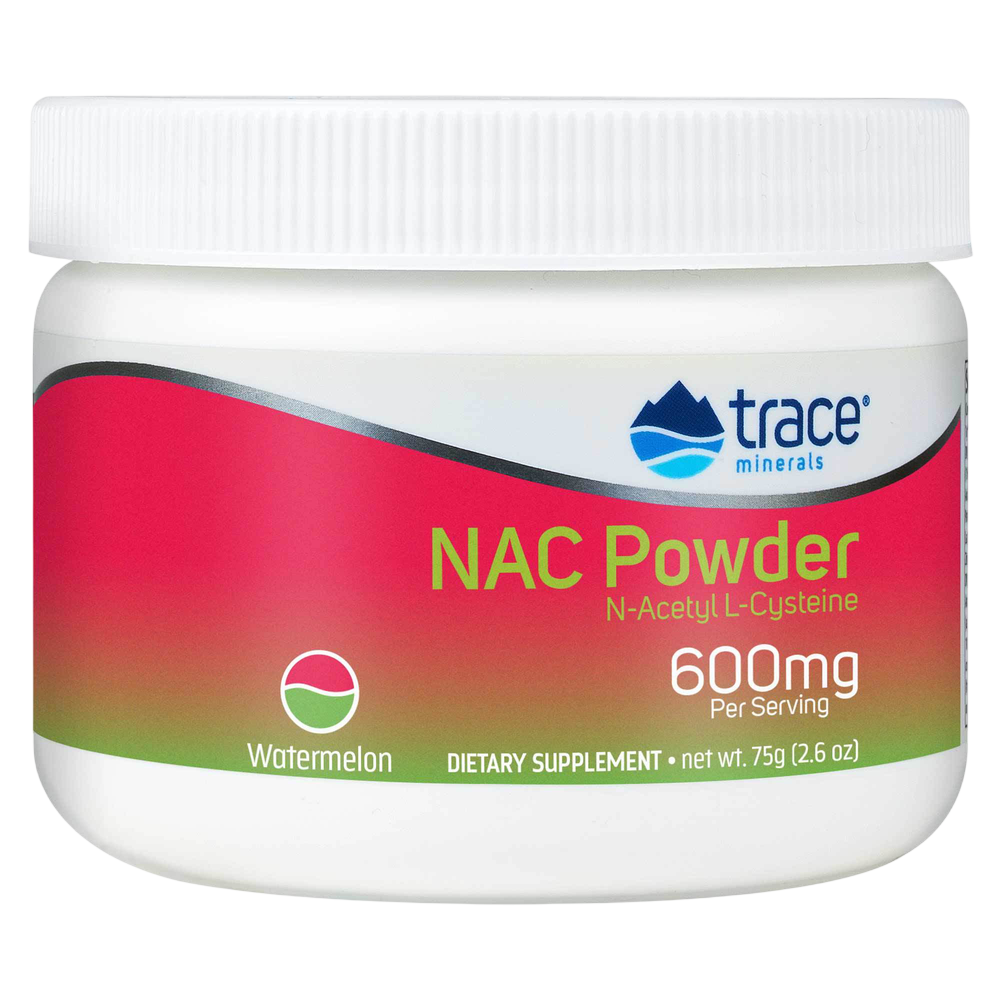
NAC Powder, Watermelon 600 mg by Trace Minerals Research
75 grams
NAC Powder for Glutathione, Liver and Respiratory Support$26.99
Purchase options
Practitioner-grade brand3rd-party testedFree shipping $50+
Vegan·Gluten Free
Trace Minerals Research NAC Powder, Watermelon overview
NAC is for adults who want to support their body's own glutathione, the main antioxidant inside cells. It is a reasonable pick if your Total Glutathione has tested low, if you are older or train hard, or if you want support for your airways. A powder suits people who dislike swallowing capsules, though NAC has a sulfur taste that flavoring only partly covers. If you feel well, eat enough protein and have no particular reason to take it, the case is weaker.
N-acetyl L-cysteine is a stable form of the amino acid cysteine. Cysteine is usually the ingredient in shortest supply when the body makes glutathione, so providing it helps cells keep their glutathione topped up. That matters most in the liver, which uses glutathione to neutralize reactive by-products and to process many compounds. NAC also loosens mucus by breaking the bonds that make it thick, which is why it has a long history of use in respiratory care.
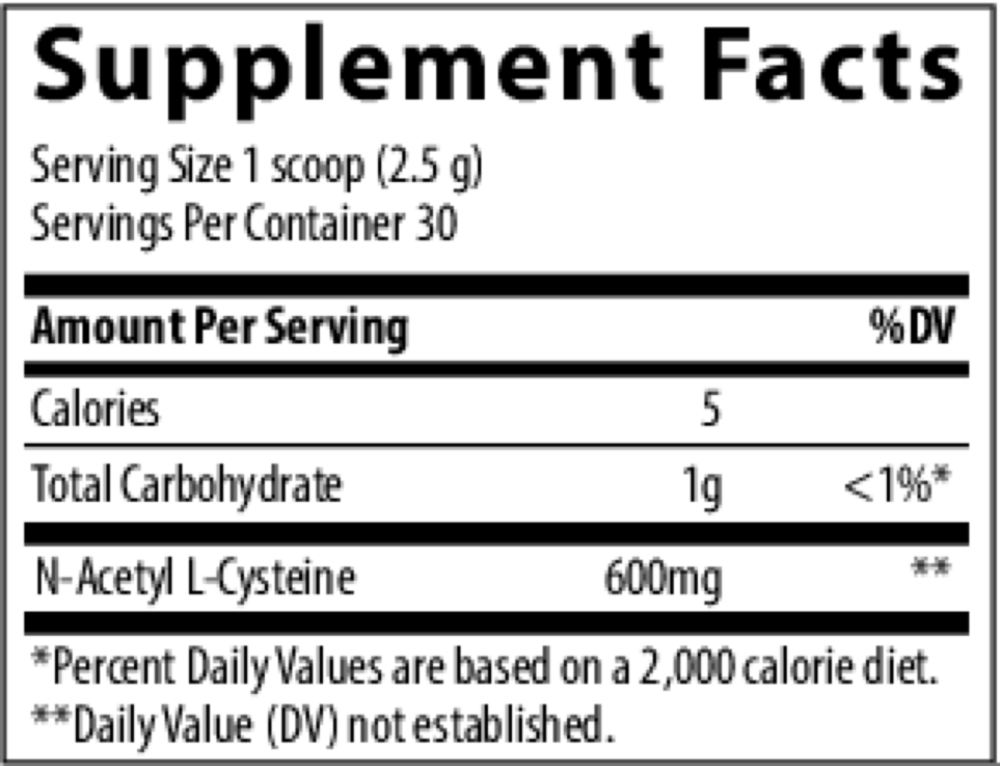
Each scoop (2.5 g of powder) provides 600 mg of N-acetyl L-cysteine, with 5 calories and 1 g of carbohydrate. The tub holds 30 servings. The label's suggested use is 1 scoop mixed with 4–8 oz of water daily. It is sweetened with xylitol and steviol glycosides and flavored with natural watermelon flavor. Taking it with food cuts down on the nausea NAC can cause. Keep the tub away from dogs, since xylitol is toxic to them.
The label is for adults only and names one medicine: nitroglycerin. NAC can strengthen the effect of nitroglycerin and related nitrate medicines for angina and bring on low blood pressure and a severe headache, so do not combine them unless your cardiologist agrees. NAC may also slow blood clotting slightly: if you take a blood thinner or have a bleeding disorder, check first, and tell your surgeon before any operation. People with asthma should start cautiously, since NAC occasionally sets off wheezing. If you are pregnant or nursing, the label says to consult your physician.
Most people feel nothing in particular, and that is expected. If you are tracking Total Glutathione, retest after 8 to 12 weeks of steady use. The common side effects are nausea, loose stools and heartburn, usually settled by taking it with a meal. Compared with swallowing glutathione itself, which is absorbed inconsistently, NAC is the better-studied way to support the body's own production. Capsules avoid the taste; a powder makes the amount easier to adjust with your clinician.
Frequently asked questions
What is NAC?
NAC is N-acetyl L-cysteine, a stable form of the amino acid cysteine. The body uses cysteine to make glutathione, its main antioxidant inside cells. NAC also thins mucus. This powder provides 600 mg of NAC per scoop.
How much NAC is in one scoop?
One scoop is 2.5 g of powder and provides 600 mg of N-acetyl L-cysteine, with 5 calories and 1 g of carbohydrate. The tub holds 30 servings. The rest is xylitol, natural flavors, steviol glycosides, fruit juice for color, silicon dioxide, guar gum and acacia gum.
Does NAC raise glutathione?
It supports it. Cysteine is usually the limiting ingredient when cells make glutathione, and NAC is a dependable source of cysteine. If you want to see the effect on paper, check Total Glutathione before starting and again after 8 to 12 weeks.
Should I take NAC with food?
The label says to mix 1 scoop with 4–8 oz of water daily and does not mention food. Taking it with a meal is the easier route, because NAC on an empty stomach causes nausea or heartburn in some people.
What are the side effects of NAC?
The usual ones are nausea, loose stools, heartburn and an unpleasant sulfur taste or smell. They tend to ease when NAC is taken with food. Stop and seek care if you develop a rash, wheezing or swelling, which can signal a reaction.
Can I take NAC with my medications?
The label says to consult a physician if you take medication, especially nitroglycerin: NAC can strengthen the effect of nitrates and cause low blood pressure and severe headache. Check first if you take blood thinners too, since NAC may slow clotting slightly.
How long does NAC take to work?
Glutathione status changes over weeks, not days, so judge it after 8 to 12 weeks of steady use. Most people notice nothing day to day. Any effect on mucus tends to show sooner, within the first days to weeks.
Can people with asthma take NAC?
With caution and their clinician's agreement. NAC occasionally triggers wheezing or chest tightness in people with asthma. If you have asthma, start under guidance, and stop if your breathing worsens.
How to take it & ingredients
Suggested use: Mix 1 scoop (2.5 g) with 4-8 oz of water daily.
Active ingredients
1 scoop (2.5 g) per serving
N-Acetyl-L-Cysteine
600 mg
Other ingredients: Xylitol, Natural watermelon flavor, Steviol glycosides & natural flavor, Fruit juice (for color), Silicon dioxide, Guar gum, Acacia gum
Certifications
Benefits
Warnings