 Instalab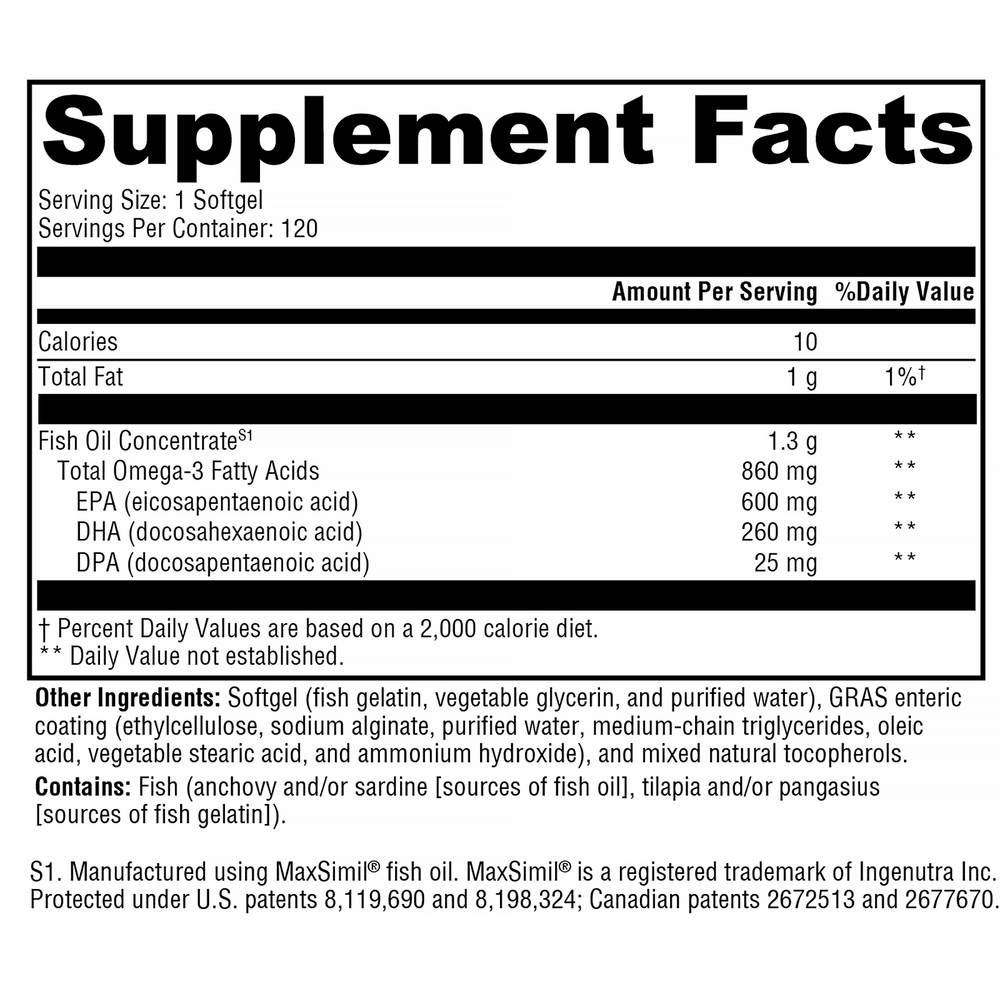


XYMOGEN INC.
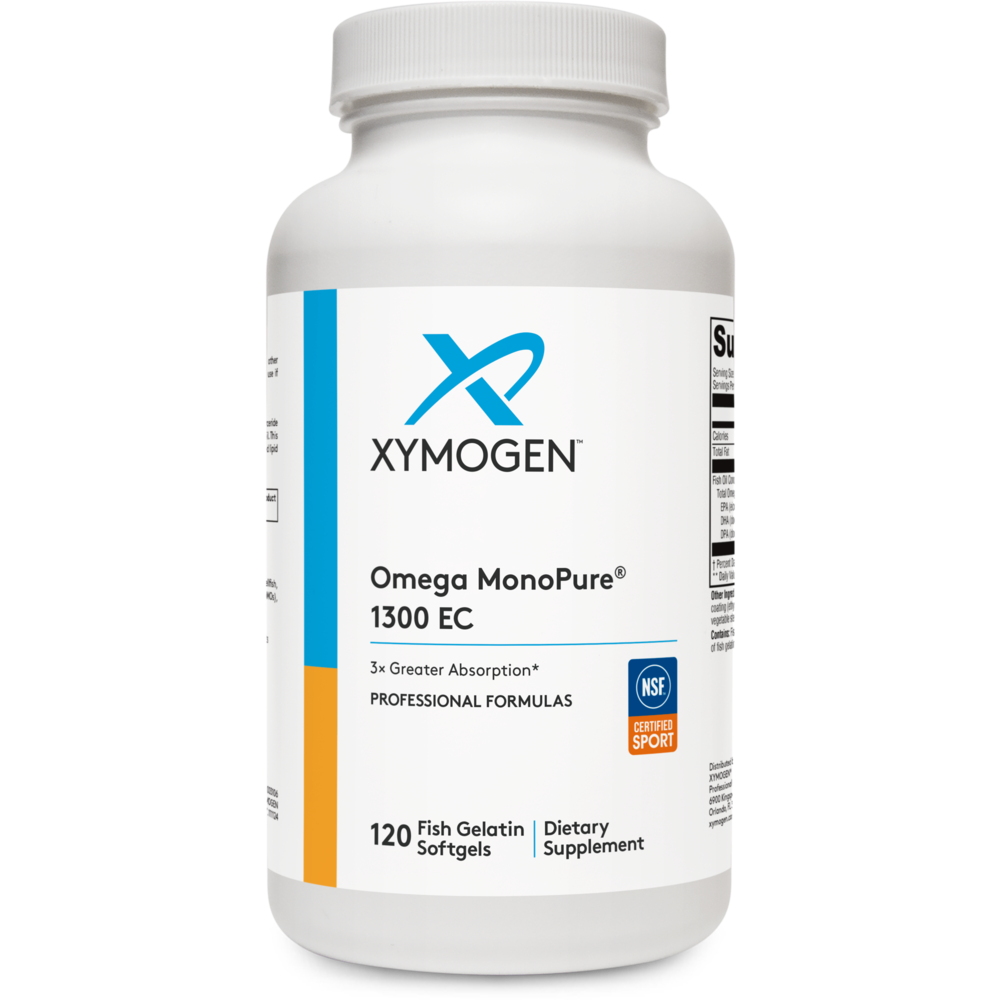
Omega MonoPure 1300 EC 860 mg by XYMOGEN INC.
120 softgels · 120-day supply
High-Potency Omega-3s for Heart and Brain Health$109.99
This item is currently out of stockGet notified when this item is back in stock
Practitioner-grade brand3rd-party testedFree shipping $50+
Gluten Free·Soy Free·Dairy Free·Egg Free·Tree Nut Free·Peanut Free·
XYMOGEN INC. Omega MonoPure 1300 EC overview
If you want a one-softgel, high absorption fish oil to nudge a low Omega-3 Index upward, this fits. It’s a smart pick if you rarely eat fatty fish, have trouble tolerating standard oils, or have mild fishy burps with regular capsules. Use it as maintenance if your triglycerides are normal but your Omega-3 Index is low. If your triglycerides are elevated and you’re chasing a 20–30% drop, you’ll usually need higher-dose fish oil (2–4 g/day EPA+DHA) or prescription EPA, then retest in 4 to 12 weeks.
The MaxSimil monoglyceride form in XYMOGEN Omega MonoPure 1300 EC is pre-digested, so your gut doesn’t have to split fats apart before uptake. That improves absorption versus ethyl ester fish oil in small human studies, and the enteric coat helps it pass the stomach to reduce fishy aftertaste. Better uptake means a higher rise in the Omega-3 Index over 8–12 weeks per capsule. EPA and DHA reduce how much fat your liver exports as triglycerides and modestly lower hs-CRP (an inflammation marker) in some responders.
Take one softgel daily, with or without food; the monoglyceride form doesn’t depend on a high-fat meal. If you’re aiming to correct a very low Omega-3 Index, consider two daily for 8–12 weeks, then step down once your lab improves. For triglyceride reduction, most adults need several grams of combined EPA+DHA, so one softgel here is maintenance, not treatment. Recheck your Omega-3 Index and triglycerides after 8–12 weeks to see if your current dose is doing enough.
If you’re allergic to fish, avoid fish oil. Use caution if you’re on blood thinners like warfarin, apixaban, rivaroxaban, or antiplatelets such as clopidogrel, and tell your clinician; bleeding risk is low at this dose but worth a check. Stop high-dose fish oil a week before elective surgery. If you have very high triglycerides, don’t self-treat—discuss prescription EPA or higher-dose fish oil with your clinician, alongside diet, alcohol reduction, and checking labs like fasting insulin and ALT.
Frequently asked questions
Is enteric-coated fish oil better absorbed?
Enteric coating mainly reduces fishy burps by releasing the capsule past the stomach. Absorption here is driven by the monoglyceride form, which is better absorbed than standard ethyl ester fish oil in small trials.
How long does fish oil take to lower triglycerides?
Meaningful triglyceride changes usually appear in 4–12 weeks when the dose of EPA+DHA is high enough (typically 2–4 grams daily). One capsule of this product is a maintenance dose, not a triglyceride-lowering dose.
Does fish oil thin your blood?
Fish oil has a mild antiplatelet effect, but at typical supplemental doses the bleeding risk is low. If you take warfarin or newer anticoagulants, or have surgery planned, talk with your clinician before starting or increasing fish oil.
What dose of fish oil should I take daily?
For general maintenance and to raise a low Omega-3 Index, 1 softgel daily is reasonable. For triglyceride reduction, most adults need grams of EPA+DHA, often far more than one capsule provides. Use labs to guide dosing.
Will this fish oil help with fishy burps?
Yes. The enteric coating delays release until the small intestine, which reduces reflux and aftertaste. Taking it with your largest meal can further cut burps, though the monoglyceride form doesn’t require a fatty meal for absorption.
Is fish oil safe in pregnancy or while breastfeeding?
Fish oil (EPA/DHA) is generally considered safe and often useful for those who don’t eat fish. Keep doses moderate and avoid products with added vitamin A. Always confirm specifics with your prenatal clinician.
Which lab tests track fish oil benefits?
The Omega-3 Index shows how much EPA+DHA is in red blood cell membranes, and it typically shifts within 8–12 weeks. If lipids are a goal, also watch Triglycerides and, when relevant, hs-CRP for inflammation.
How to take it & ingredients
Suggested use: Take one softgel daily, or as directed by your healthcare professional.
Active ingredients
1 softgel per serving · 120 servings
▼
Total Omega-3 Fatty Acids
From Fish Oil Concentrate
From Fish Oil Concentrate
860 mg
Eicosapentaenoic Acid (EPA)
600 mg
Docosahexaenoic Acid (DHA)
260 mg
Docosapentaenoic Acid (DPA)
25 mg
Other ingredients: Fish gelatin, Vegetable glycerin, Purified water, Ethylcellulose, Sodium alginate, Medium-chain triglycerides, Oleic acid, Vegetable stearic acid, Ammonium hydroxide, Mixed natural tocopherols
Certifications
Benefits
Warnings
Customers also considered
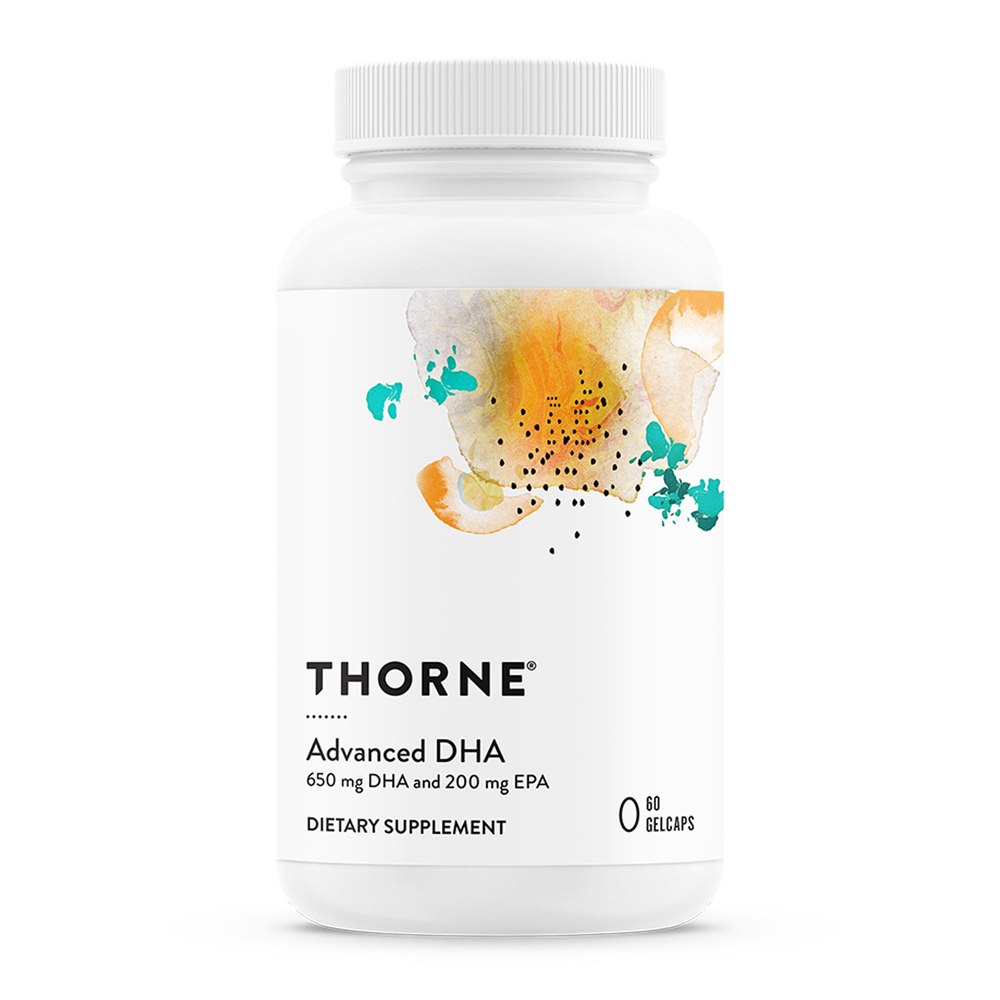
Advanced DHA
Thorne
60 gelcaps
$30.00Save 10% with Subscribe & Save
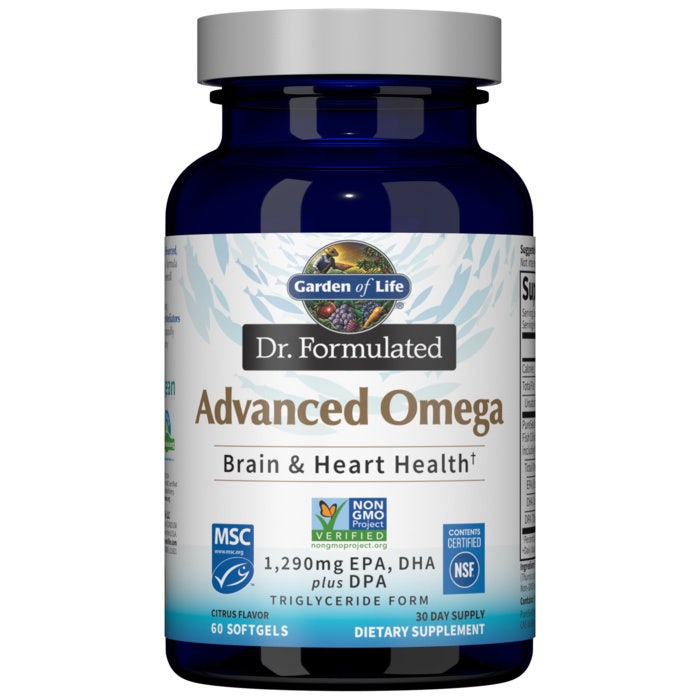
Dr. Formulated Advanced Omega
Garden of Life
60 softgels
$31.99Save 19% with Subscribe & Save
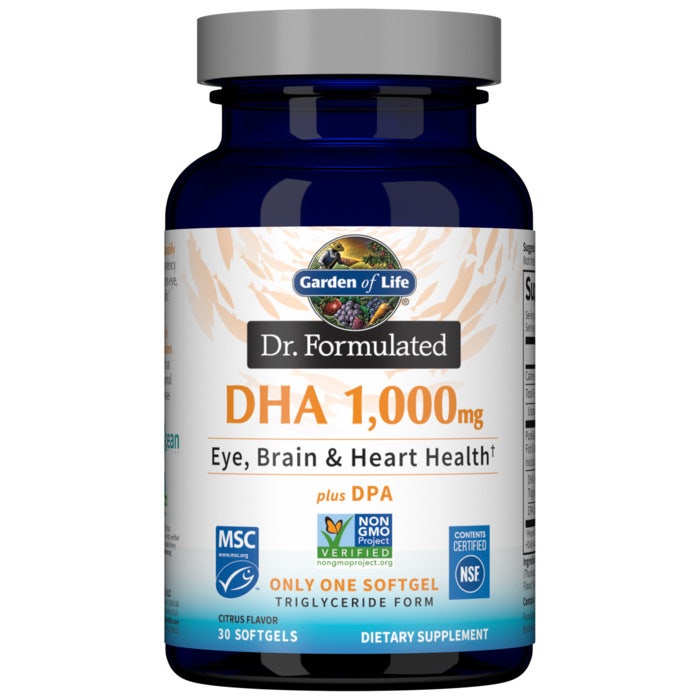
Dr. Formulated DHA 1g
Garden of Life
30 softgels
$31.99Save 19% with Subscribe & Save

Dr. Formulated Prenatal DHA
Garden of Life
30 softgels
$29.99Save 20% with Subscribe & Save