 Instalab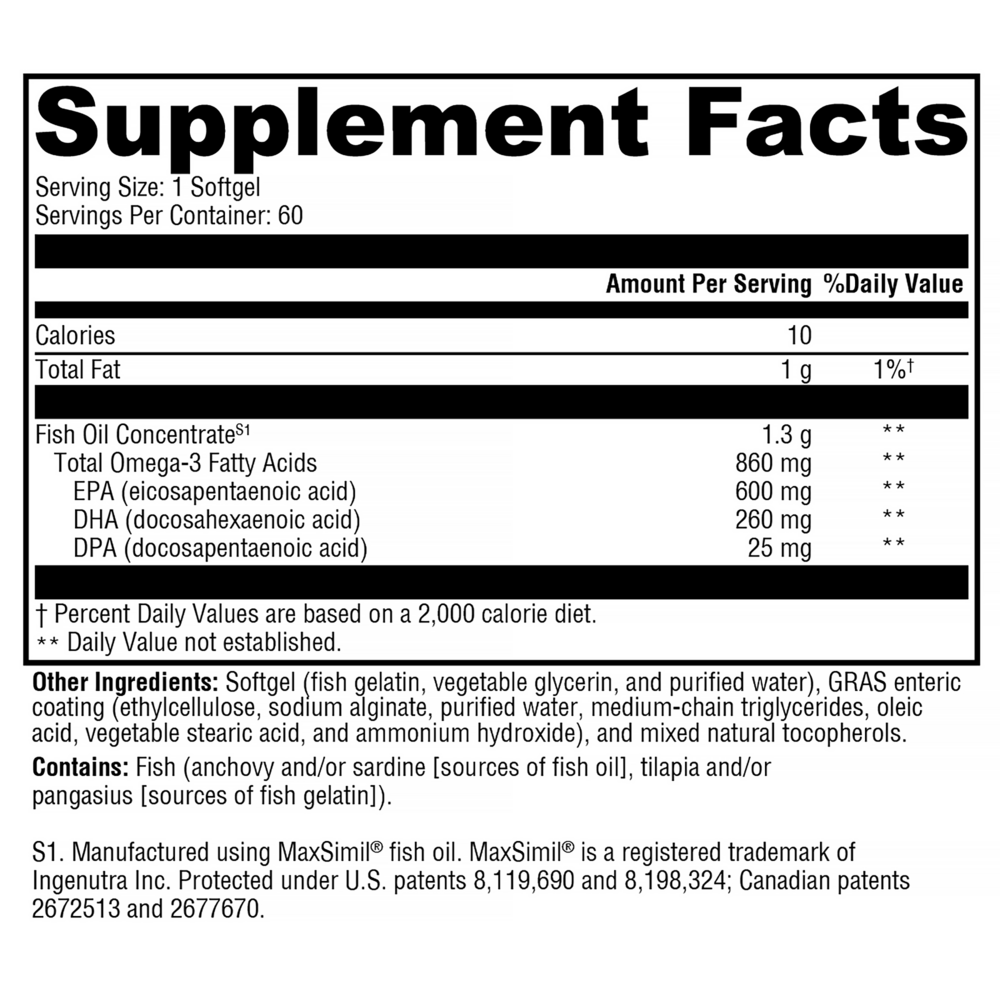


XYMOGEN INC.
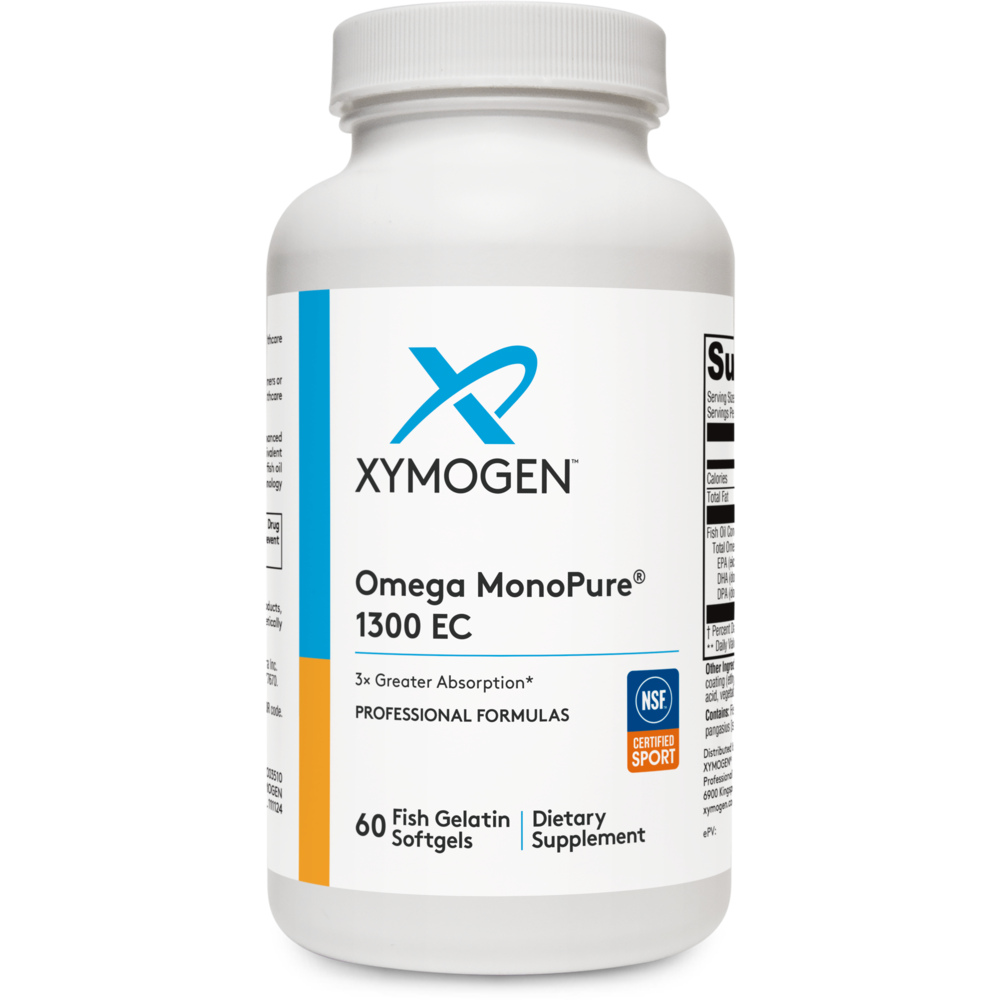
Omega MonoPure 1300 EC 860 mg by XYMOGEN INC.
60 softgels · 60-day supply
High-Potency Omega-3s for Heart and Brain Health$65.99
This item is currently out of stockGet notified when this item is back in stock
Practitioner-grade brand3rd-party testedFree shipping $50+
Gluten Free·Soy Free·Dairy Free·Egg Free·Tree Nut Free·Peanut Free·
XYMOGEN INC. Omega MonoPure 1300 EC overview
If you eat little seafood and your Omega-3 Index is low, this fish oil fits as a once-daily maintenance dose. It’s a practical pick if your lipid panel is stable and you want steady cardiovascular and brain nutrition without juggling multiple capsules. If your triglycerides are elevated and you’re aiming for a drop within 4 to 12 weeks, most people need higher EPA+DHA than one softgel provides, or a prescription-strength option. Check your Triglycerides and Omega-3 Index after 8 to 12 weeks to confirm it’s doing enough.
EPA and DHA are the long-chain omega-3 fats your cells use for signaling and membrane fluidity. They reduce how much fat your liver exports in VLDL particles (the carriers that show up on labs as triglycerides), and they nudge cells to burn fatty acids for energy faster. Over weeks, they also shift membrane signaling toward resolvins and protectins (inflammation-resolving molecules), which can modestly lower hs-CRP (a blood marker of inflammation) in responders. This formula uses a monoglyceride form that’s absorbed more efficiently than standard ethyl ester fish oil, and the enteric coating helps prevent fishy aftertaste.
Take one softgel daily, preferably with a meal if you’re prone to reflux, though the monoglyceride form absorbs well even without fat. If your goal is triglyceride reduction, typical effective intakes are several grams of EPA+DHA per day, so discuss whether increasing capsules or using a higher-dose fish oil is appropriate. Recheck a lipid panel and Omega-3 Index in 8 to 12 weeks. For pregnancy planning, prioritize DHA intake and confirm dosing with your clinician.
Fish oil has a mild blood-thinning effect, so use caution with anticoagulants or antiplatelet drugs (blood thinners like warfarin or clopidogrel), and pause before elective procedures if your surgeon requests it. If you’ve had allergic reactions to fish, skip this. Very high triglycerides often need higher-dose fish oil or prescription icosapent ethyl under medical care. If your LDL cholesterol rises on DHA-containing products, consider an EPA-focused fish oil and recheck labs. XYMOGEN Omega MonoPure 1300 EC is IFOS-certified for purity if mercury is a concern.
Frequently asked questions
What dose of fish oil lowers triglycerides?
Most people need 2 to 4 grams per day of combined EPA+DHA to lower triglycerides meaningfully. One capsule here is a maintenance dose. If you’re targeting triglycerides, talk with your clinician about a higher daily amount or prescription-strength EPA and recheck labs in 8–12 weeks.
How long does fish oil take to work?
For triglycerides, expect changes within 4 to 12 weeks. The Omega-3 Index usually improves over 8 to 12 weeks. Inflammation markers like hs-CRP shift more slowly and not in everyone. Re-test your lipid panel and Omega-3 Index after about 2 to 3 months to gauge response.
Does fish oil thin your blood?
It has a mild anti-platelet effect, which can slightly increase bleeding time. Most healthy adults tolerate it well, but if you use blood thinners (warfarin, apixaban) or antiplatelet drugs (aspirin, clopidogrel), discuss dosing and procedure timing with your clinician.
Is enteric-coated fish oil better for burps?
Yes. Enteric coating helps the capsule pass the stomach before dissolving, which reduces fishy aftertaste. Taking fish oil with a meal and storing capsules in a cool place also helps. If burps persist, try bedtime dosing or a different brand’s coating.
Can I take fish oil with a statin?
Yes, they’re commonly used together. Fish oil lowers triglycerides, while statins target LDL cholesterol. The combo is complementary, though DHA-containing fish oil can nudge LDL up in some people. Check a full lipid panel after 8–12 weeks to see your personal response.
Krill oil vs fish oil: which is better?
For triglyceride lowering and raising the Omega-3 Index cost-effectively, concentrated fish oil with known EPA+DHA content usually wins. Krill oil carries omega-3s in phospholipids but at much lower amounts per capsule, so you’d need many more to match the EPA+DHA dose.
Is fish oil safe in pregnancy?
Fish oil is generally considered safe and useful for DHA intake during pregnancy, but dose and form should be guided by your clinician. Choose a product tested for purity (e.g., IFOS-certified) and confirm the DHA target for your prenatal plan.
How to take it & ingredients
Suggested use: Take one softgel daily, or as directed by your healthcare professional.
Active ingredients
1 softgel per serving · 60 servings
▼
Total Omega-3 Fatty Acids
From Fish Oil Concentrate
From Fish Oil Concentrate
860 mg
Eicosapentaenoic Acid (EPA)
600 mg
Docosahexaenoic Acid (DHA)
260 mg
Docosapentaenoic Acid (DPA)
25 mg
Other ingredients: Fish gelatin, Vegetable glycerin, Purified water, Ethylcellulose, Sodium alginate, Medium-chain triglycerides, Oleic acid, Vegetable stearic acid, Ammonium hydroxide, Mixed natural tocopherols
Certifications
Benefits
Warnings
Customers also considered
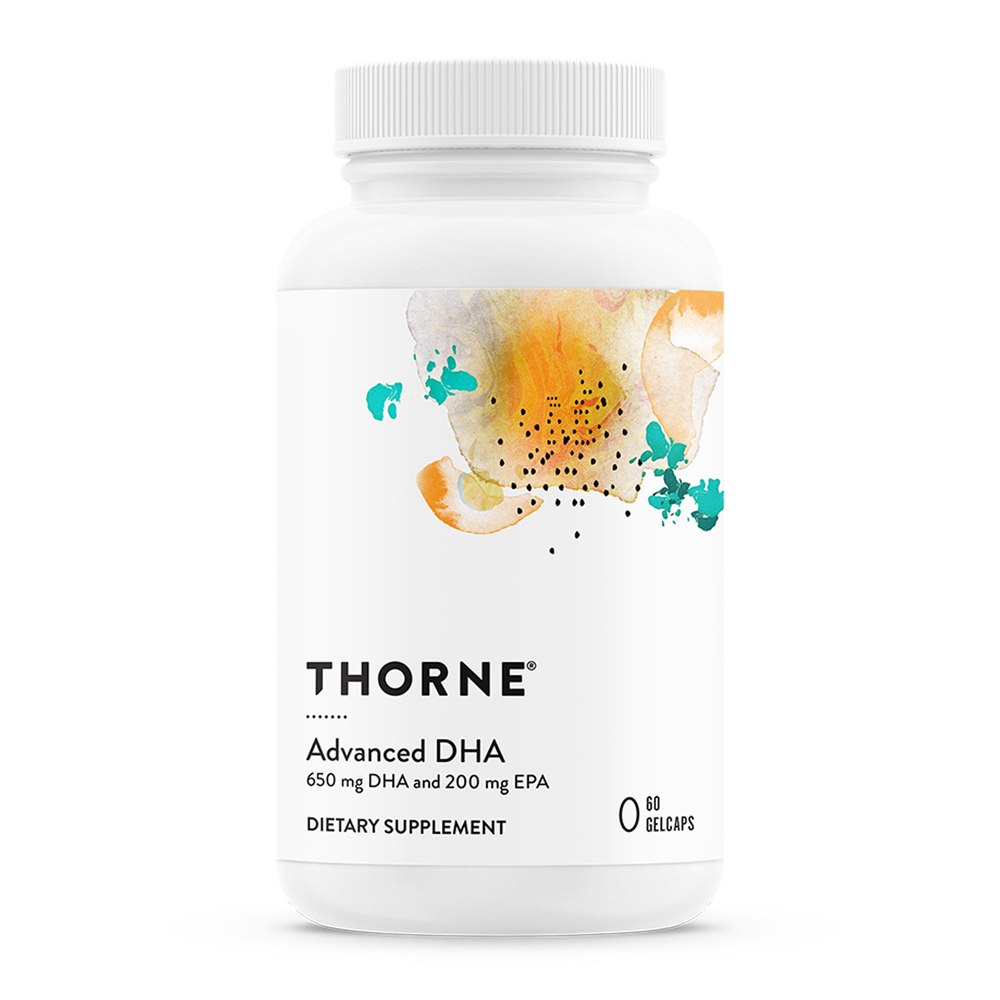
Advanced DHA
Thorne
60 gelcaps
$30.00$27.00 with Subscribe & Save
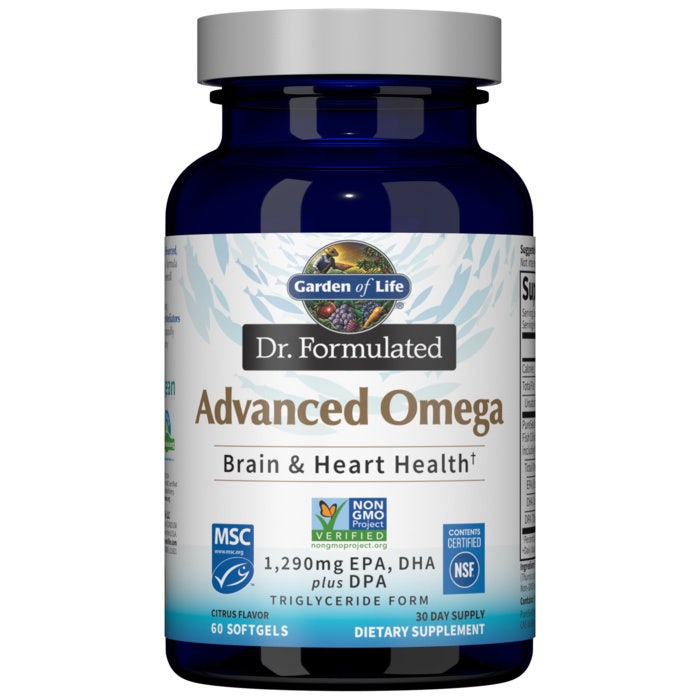
Dr. Formulated Advanced Omega
Garden of Life
60 softgels
$31.99$25.99 with Subscribe & Save
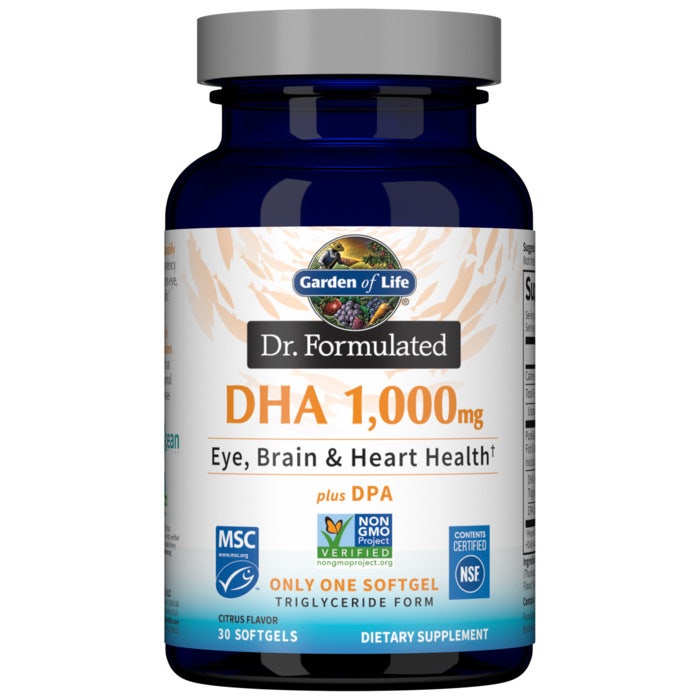
Dr. Formulated DHA 1g
Garden of Life
30 softgels
$31.99$25.99 with Subscribe & Save
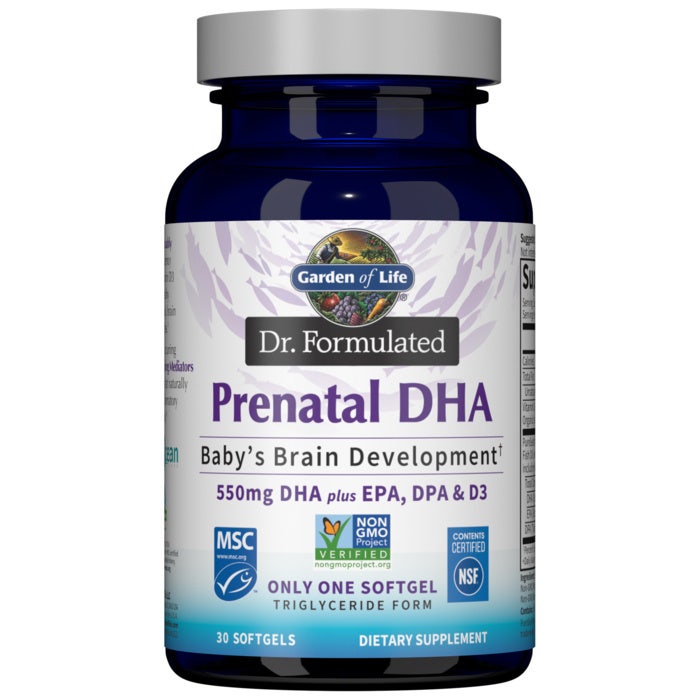
Dr. Formulated Prenatal DHA
Garden of Life
30 softgels
$29.99$23.99 with Subscribe & Save