 Instalab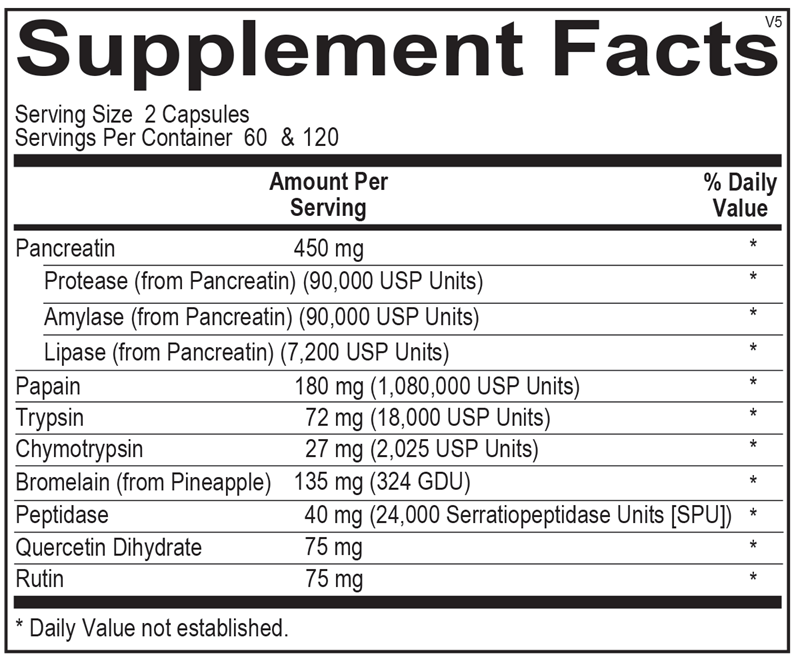
Ortho Molecular Products
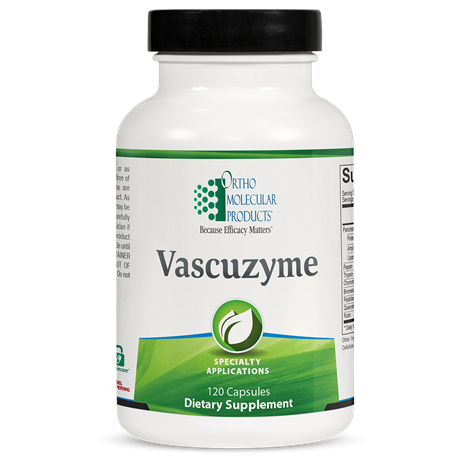
Vascuzyme by Ortho Molecular Products
120 capsules · 60-day supply
Comprehensive Enzyme Blend for Enhanced Inflammation Support$78.98
Purchase options
Practitioner-grade brand3rd-party testedFree shipping $50+
Gluten Free·Yeast Free·Artificial Color Free·Artificial Flavor Free
Ortho Molecular Products Vascuzyme overview
Active adults with nagging overuse aches, swelling after hard training, or stiffness the day after workouts are the real audience for systemic enzymes. Taken away from meals, these proteolytic enzymes circulate rather than digest food. They’re a reasonable trial if your hs-CRP (high-sensitivity C‑reactive protein, a blood marker of inflammation) is modestly elevated and you want a non-NSAID strategy. They’re not a first-line solution for autoimmune disease or major arthritis flares, and they won’t replace rehab, sleep, or load management.
This blend combines pancreatin, trypsin, chymotrypsin, bromelain, papain, and serrapeptase, enzymes that break down proteins that can accumulate after tissue stress. By digesting excess fibrin (a clotting scaffold) and protein-rich debris, they can reduce post-exercise swelling and stiffness within 1 to 3 weeks in responders. Quercetin and rutin are flavonoids that stabilize mast cells (cells that release histamine) and help small blood vessels stay less leaky. In practice, effects are modest but noticeable for some; lab shifts in hs-CRP or fibrinogen (the clotting protein) are variable.
For systemic use, take two capsules daily on an empty stomach, at least 45–60 minutes before eating or 2 hours after. Protein in a meal ties up these enzymes, so timing matters. Start with one capsule for 3–4 days to gauge digestion, then move to the full dose. Consistency is key; expect any recovery or stiffness changes within 2–4 weeks. If you mainly need digestive help, enzymes with meals are better suited than systemic enzymes like this formula.
Avoid if you use blood thinners such as warfarin, apixaban, rivaroxaban, clopidogrel, or high-dose aspirin, or if you have a bleeding disorder, active ulcer, or upcoming surgery; stop 1–2 weeks before procedures. People allergic to pineapple or papaya should skip bromelain and papain. Not ideal in pregnancy or while nursing without clinician guidance. Mild nausea or loose stools can occur; if you see bruising or unusual bleeding, stop and speak with your clinician. This product is not vegan due to animal-derived enzymes.
Frequently asked questions
Do systemic enzymes thin your blood?
They can have mild blood-thinning effects by breaking down fibrin and influencing clotting proteins, which is why bleeding risk can increase. Do not combine with anticoagulants or antiplatelet drugs unless your clinician explicitly approves.
How long do systemic enzymes take to work?
Most responders notice less post-exercise swelling or stiffness within 2–4 weeks when taken consistently away from meals. If nothing changes after a month, they’re unlikely to help your specific issue and you can stop.
Can I take systemic enzymes with food?
For systemic effects, take them on an empty stomach, 45–60 minutes before food or 2 hours after. With meals, enzymes are largely used to digest food and won’t circulate to the same extent.
Are bromelain and papain safe with pineapple or papaya allergy?
No. If you have a known pineapple or papaya allergy, avoid bromelain and papain. Allergic reactions can be serious; choose a different approach.
Can I use this instead of NSAIDs for pain?
They’re not a direct substitute for anti-inflammatory drugs. Some people get modest relief of swelling and soreness, but effects are milder. Discuss any medication changes with your clinician.
Is this formula vegan?
No. Pancreatin, trypsin, and chymotrypsin are typically animal-derived. If you need a vegan option, look for serrapeptase with plant proteases and no animal-based enzymes.
Will systemic enzymes lower hs-CRP or fibrinogen?
Sometimes, but results vary. Small reductions in hs-CRP or fibrinogen have been reported in some users. If you’re tracking labs, recheck after 4–8 weeks to see your personal response.
How to take it & ingredients
Suggested use: 2 capsules per day on an empty stomach or as recommended by your health care professional.
Active ingredients
2 capsules per serving · 60 servings
Pancreatin
Protease 90,000 USP Units, Amylase 90,000 USP Units, Lipase 7,200 USP Units
Protease 90,000 USP Units, Amylase 90,000 USP Units, Lipase 7,200 USP Units
450 mg
Papain
1,080,000 USP Units
1,080,000 USP Units
180 mg
Trypsin
18,000 USP Units
18,000 USP Units
72 mg
Chymotrypsin
2,025 USP Units
2,025 USP Units
27 mg
Bromelain
From Pineapple (324 GDU)
From Pineapple (324 GDU)
135 mg
Peptidase
Serratiopeptidase (24,000 SPU)
Serratiopeptidase (24,000 SPU)
40 mg
Quercetin Dihydrate
75 mg
Rutin
75 mg
Other ingredients: Hypromellose (Natural Vegetable Capsules), Microcrystalline Cellulose, Silicon Dioxide, Magnesium Stearate
Certifications
Benefits
Warnings
Customers also considered
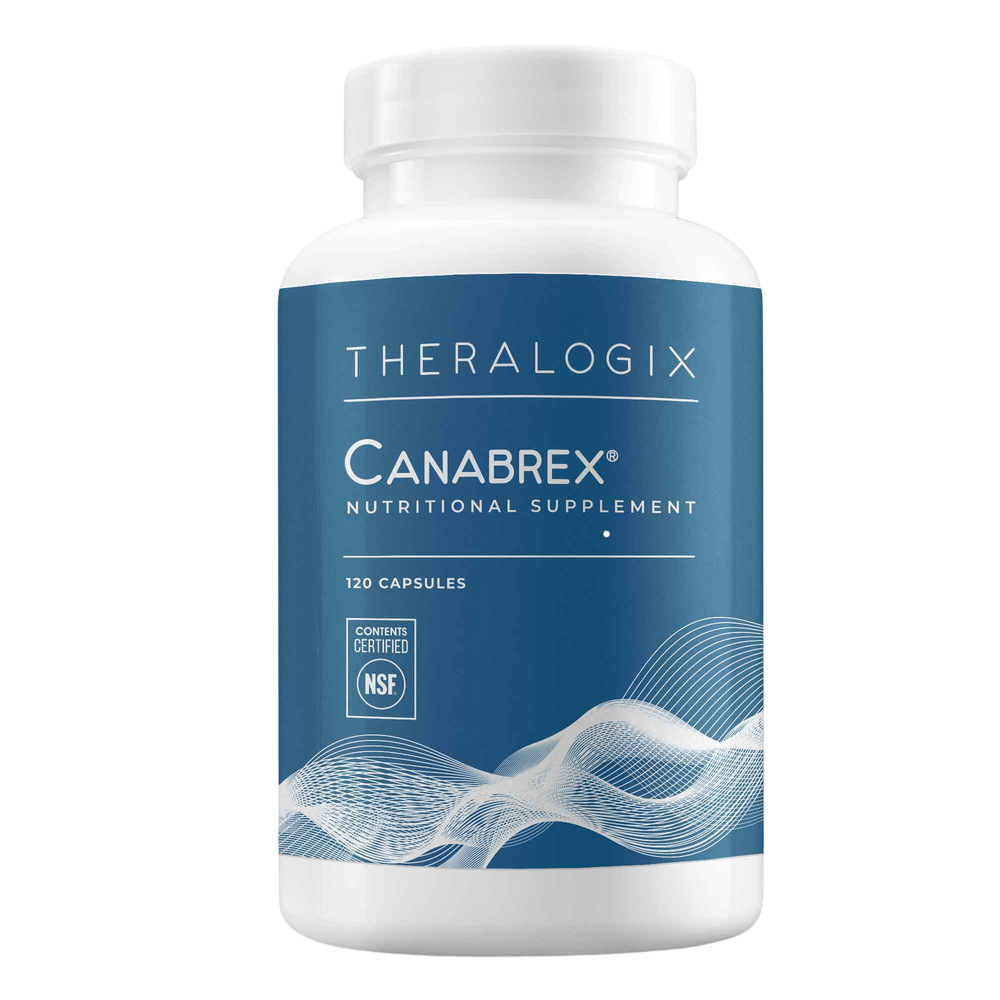
Canabrex
Theralogix
120 capsules
$92.99$73.99 with Subscribe & Save
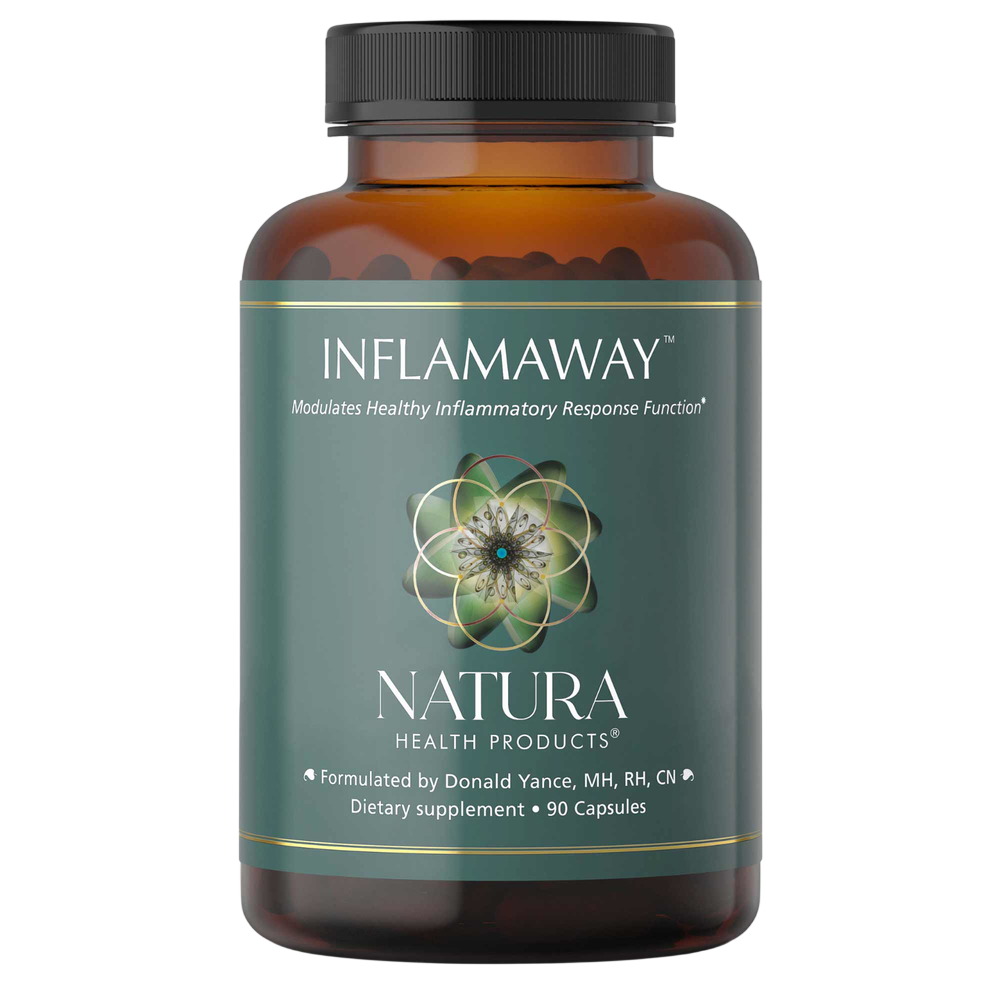
INFLAMAWAY
Natura Health Products
90 capsules
$67.99$53.99 with Subscribe & Save
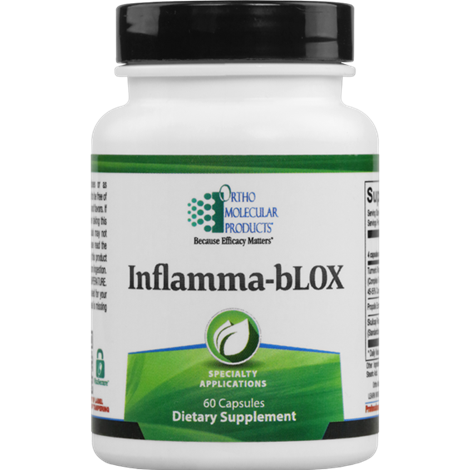
Inflamma-bLOX
Ortho Molecular Products
60 capsules
$58.89$53.05 with Subscribe & Save
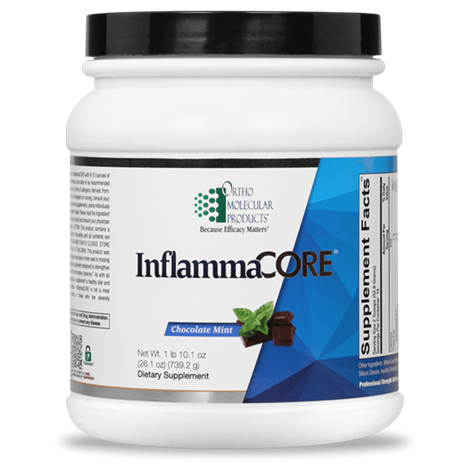
InflammaCORE® Chocolate Mint
Ortho Molecular Products
739.2 grams
$105.39$94.95 with Subscribe & Save