
 Instalab


Vital Nutrients
Buffered C 500mg Gentle Vitamin C for sensitive individuals* by Vital Nutrients
220 capsules · 110-day supply
Gentle Buffered Vitamin C for Immune and Antioxidant Support$38.99
Purchase options
Practitioner-grade brand3rd-party testedFree shipping $50+
Vegan·Gluten Free·Soy Free·Dairy Free·Peanut Free·Tree Nut Free·
Vital Nutrients Buffered C 500mg Gentle Vitamin C for sensitive individuals* overview
Buffered vitamin C is for people who want a gram of vitamin C a day but find plain ascorbic acid hard on the stomach. Intake tends to run low in smokers, in people who eat few fruits and vegetables, and in those with absorption problems, and a low Vitamin C level on testing is the clearest reason to supplement. If you eat several servings of produce a day, you are probably covered by food, and a supplement at this dose adds less than its popularity suggests.
Here the vitamin C is bound to minerals. The label gives the mix as 60% calcium ascorbate, 20% magnesium ascorbate and 20% potassium ascorbate. Mineral ascorbates are less acidic than ascorbic acid, which is what buffered means and why people with sensitive stomachs often tolerate them better. Once absorbed, the vitamin C is the same. The body needs it to make collagen, to support normal immune cell function and to act as an antioxidant, and it improves the absorption of iron from plant foods.
A serving is 2 capsules, which provide 1,000 mg of vitamin C along with 68 mg of calcium, 14 mg of magnesium and 44 mg of potassium from the mineral ascorbates. The bottle holds 110 servings. The label's direction is 2 capsules daily, or as your healthcare professional directs. The body absorbs vitamin C less efficiently as the dose climbs, so splitting the two capsules between morning and evening makes better use of them. Taking them with meals is easiest on the gut.
Vitamin C at a gram a day raises oxalate in the urine, so people who have had calcium oxalate kidney stones, or who have kidney disease, should check with their clinician first. Because vitamin C increases iron absorption, people with hemochromatosis or a high Ferritin should avoid high-dose vitamin C unless their clinician advises it. If you are having chemotherapy or radiation, ask your oncologist before taking antioxidant supplements. The adult upper limit is 2,000 mg a day from all sources; above it, loose stools are the usual result.
A low Vitamin C level corrects within a few weeks of steady intake. Most people feel no different, and that is expected. The evidence that regular vitamin C shortens colds is modest, and it has not been shown to stop people catching them. Compared with plain ascorbic acid, the buffered form delivers the same vitamin; the reason to choose it is stomach comfort. If ascorbic acid has never bothered you, either works.
Frequently asked questions
What is buffered vitamin C?
It is vitamin C bound to minerals instead of supplied as plain ascorbic acid. This product uses calcium, magnesium and potassium ascorbates, which are less acidic and usually easier on the stomach. The vitamin C itself is the same once absorbed.
How much vitamin C is in each serving?
The label gives amounts per 2-capsule serving: 1,000 mg of vitamin C, with 68 mg of calcium, 14 mg of magnesium and 44 mg of potassium. The 500mg in the product name refers to one capsule. The bottle holds 220 capsules, which is 110 servings.
Is buffered vitamin C better than ascorbic acid?
It is gentler, not stronger. Both raise vitamin C levels equally well. Buffered forms are the better pick if ascorbic acid gives you heartburn, nausea or loose stools. If plain vitamin C has never bothered you, there is no need to switch.
When is the best time to take vitamin C?
The label says 2 capsules daily. Take them with meals, and consider splitting them: absorption falls as a single dose gets larger, so one capsule in the morning and one in the evening makes better use of the serving than taking both at once.
Can vitamin C cause kidney stones?
High doses raise oxalate in the urine, and in people prone to calcium oxalate stones that can add to the risk. If you have had kidney stones or have kidney disease, check with your clinician before taking 1,000 mg a day.
Does vitamin C help with iron absorption?
Yes. Taken with a meal or an iron supplement, vitamin C improves the absorption of iron from plant foods and supplements. That is useful if your Ferritin is low, and a reason for caution if you have hemochromatosis or iron overload.
Can you take too much vitamin C?
The adult upper limit is 2,000 mg a day from supplements and food together. Going beyond it mainly causes loose stools, cramps and nausea. One 2-capsule serving of this product provides 1,000 mg, so count any other vitamin C you take.
Does vitamin C help with colds?
The evidence is modest. Taken regularly, vitamin C may shorten colds slightly, but it has not been shown to stop most people catching them, and starting it after symptoms begin does little. A normal immune response depends on adequate vitamin C, not very high doses.
How to take it & ingredients
Suggested use: Take 2 vegan capsules daily, or as directed by your healthcare professional.
Active ingredients
2 vegan capsules per serving · 110 servings
Vitamin C
60% calcium ascorbate, 20% magnesium ascorbate, 20% potassium ascorbate
60% calcium ascorbate, 20% magnesium ascorbate, 20% potassium ascorbate
1000 mg
Calcium
Calcium ascorbate
Calcium ascorbate
68 mg
Magnesium
Magnesium ascorbate
Magnesium ascorbate
14 mg
Potassium
Potassium ascorbate
Potassium ascorbate
44 mg
Other ingredients: Hypromellose, Cellulose, Ascorbyl Palmitate, Magnesium Silicate, Silica, Leucine
Certifications
Benefits
Warnings
Customers also considered
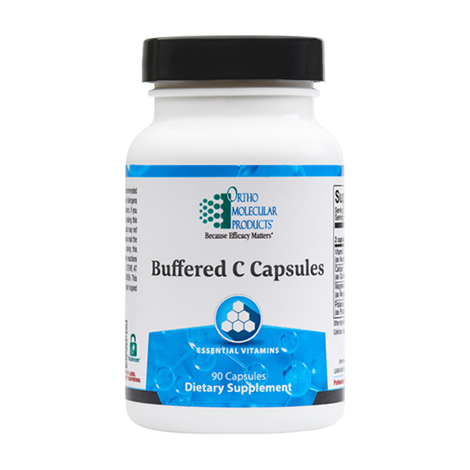
Buffered C Capsules
Ortho Molecular Products
90 capsules
$36.57$32.95 with Subscribe & Save
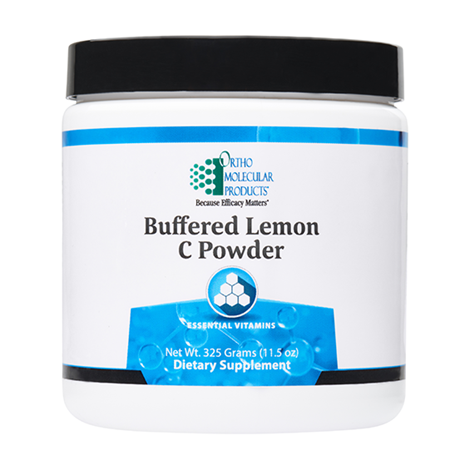
Buffered Lemon C Powder
Ortho Molecular Products
325 grams
$63.99$57.65 with Subscribe & Save
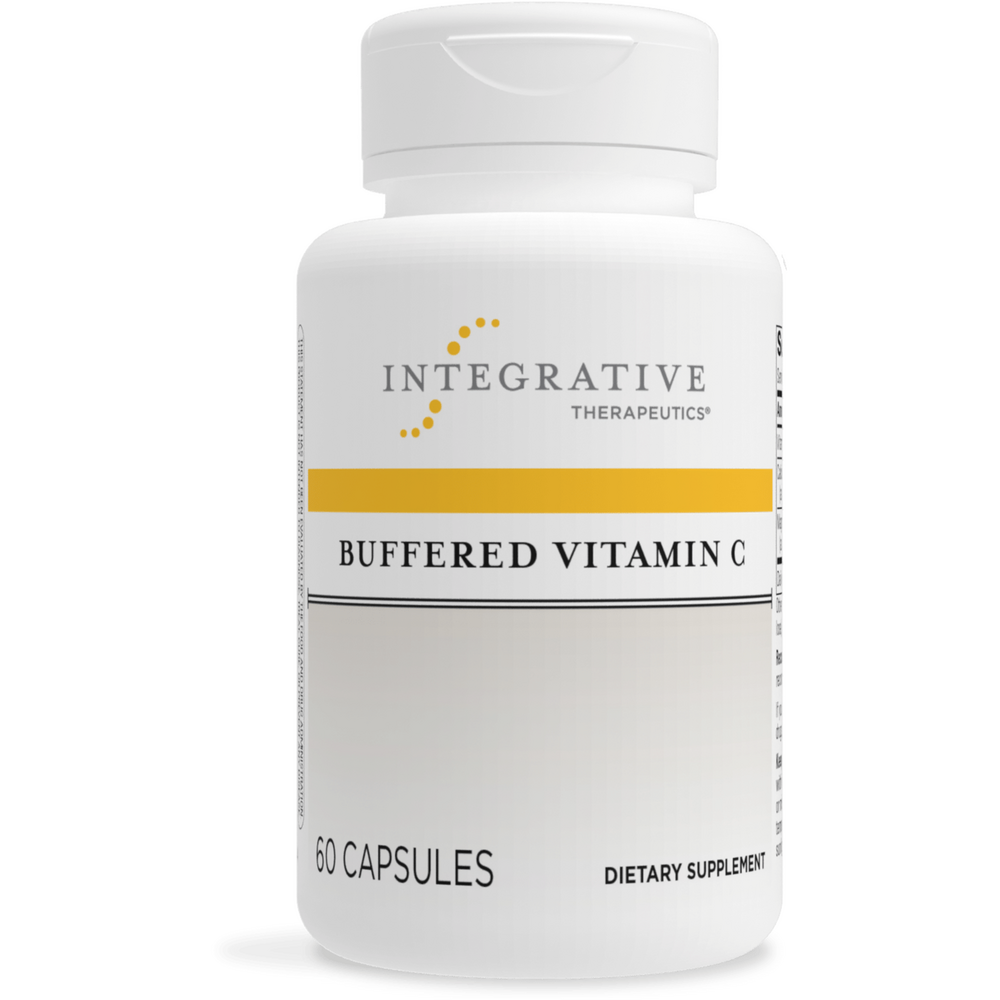
Buffered Vitamin C
Integrative Therapeutics
60 capsules
$15.99$12.99 with Subscribe & Save
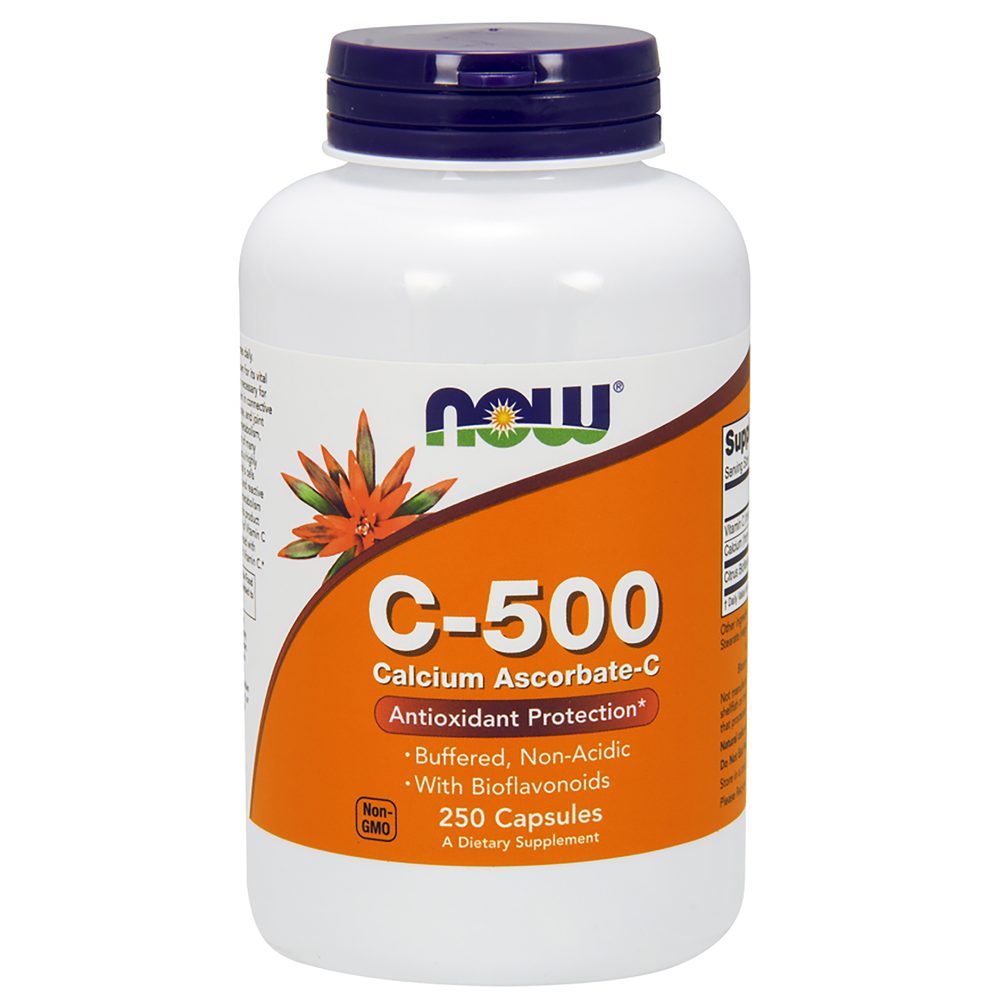
C-500 Calcium Ascorbate-C
Now Foods
250 capsules
$24.99$19.99 with Subscribe & Save